
 QFM
QFM
QFM
QFM
28 September 2026, 4:54 am
By Frank Oyugi
Across the streets of Northern Uganda and throughout the nation, a silent environmental revolution is taking shape. What began as a government-driven civic exercise—the monthly National Cleaning Day, championed by Prime Minister Robinah Nabbanja—has rapidly evolved into a vital movement for climate resilience. By connecting grassroots sanitation efforts to macroscopic ecological protection, local leaders, experts, and cultural institutions are proving that restoring the environment starts at home.
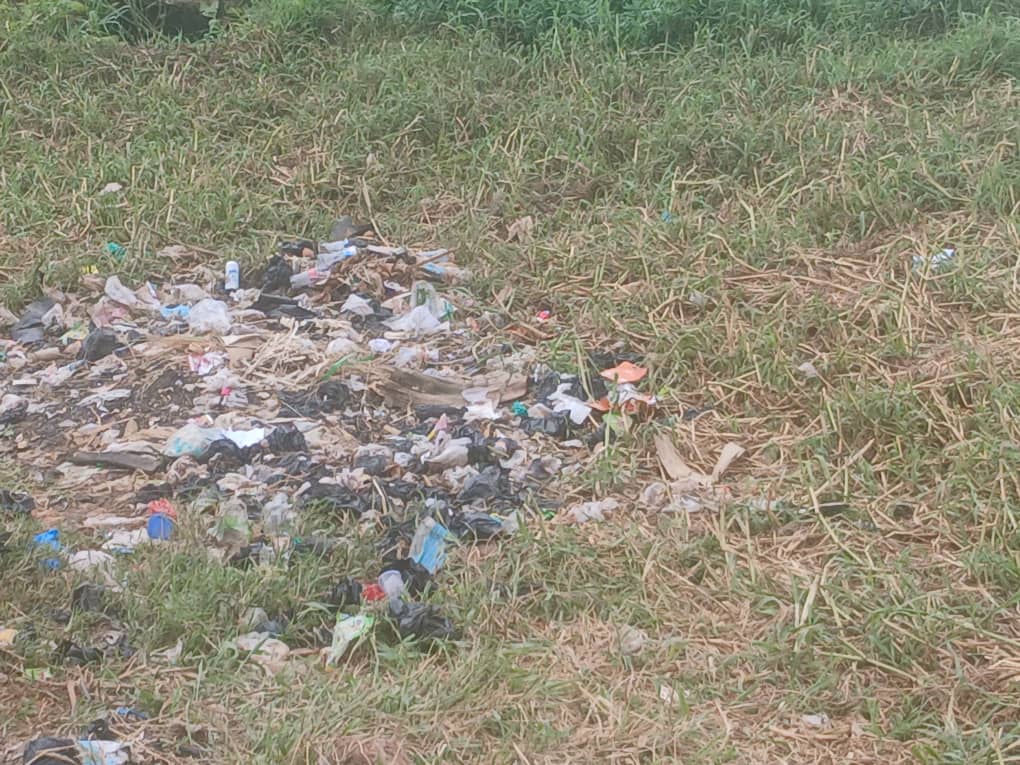
The correlation between urban waste management and climate action is striking. In Lira City, the visible impact of community cleanup campaigns is evident at the sewage lagoon opposite Victory Outreach Ministries Church. Once heavily polluted and clogged with single-use plastic bottles, the lagoon’s water now flows significantly clearer—a visual proof of what targeted sanitation can achieve.
According to the National Environment Management Authority (NEMA), Uganda generates more than 600 metric tonnes of plastic waste daily, with less than 10% effectively recycled. Uncollected plastics frequently find their way into urban drainage systems.
Isaac Ojok, a local climate activist and advocate, highlights the hidden chain reaction of urban litter “When plastic bottles are left on city streets, heavy rains sweep them into drainage channels, driving them directly into local rivers like the Okole. Through its tributaries, this plastic load eventually reaches the River Nile. Plastic waste in water bodies leads to severe siltation, shallowing riverbeds, choking aquatic life, and triggering artificial flash floods.”
Moses Ogwal of Meaningful Empowerment for Economic Change reinforces the long-term climate costs of this pollution ”The uncontrolled pillage of plastic waste into our environment disrupts sensitive ecosystems and soil health. Plastics degrade under tropical heat into microplastics, emitting potent greenhouse gases like methane and ethylene that compound global warming.”
While urban centers clear their water systems, rural and regional landscapes are mobilising through reforestation. The Lango Cultural Institution, led by Paramount Chief (Won Nyaci) Dr. Eng. Moses Michael Odongo Okune, has taken a firm stance on environmental restoration through its initiative, the “Greening Lango Campaign”.
Rallying his subjects across the subregion, Dr. Odongo Okune urged communities to integrate tree planting into everyday life, social gatherings, and cultural functions.
“Trees serve as vital catchment areas for our water bodies,” Dr. Odongo Okune emphasised. “By planting trees, we protect our regional microclimate, stabilize our soils, preserve the ozone layer, and fight global warming. Environmental protection directly supports human productivity, especially our agricultural livelihoods.”
The institution has targeted the distribution and planting of millions of tree seedlings—including fruit-bearing varieties like Hass avocado—to ensure both ecological benefits and household income security.
The Ministry of Water and Environment (MWE) estimates that Uganda’s national forest cover dropped from 24% in 1990 to under 13% in recent years, amplifying vulnerabilities to prolonged dry spells and erratic rainfall. However, local civil society organisations like Caritas Lira and local government environment officers are stepping in to reverse the trend, planting tens of thousands of seedlings across districts like Oyam, Dokolo, Alebtong, and Otuke.
Leonard Otika, Environment Officer for Lira City, notes that cultural leadership is critical for driving behavioral change “Planting trees and proper waste disposal aren’t just administrative duties—they are immediate climate mitigation strategies. Trees act as natural carbon sinks during heatwaves, while keeping our lagoons clean prevents severe waterborne disease outbreaks.”
By pairing government policy like National Cleaning Day with cultural mobilisation from the Lango Cultural Institution, Uganda is demonstrating how grassroots action directly protects major global natural resources—from the shores of local lagoons to the waters of the River Nile.