
 QFM
QFM
QFM
QFM
15 October 2026, 4:38 pm
By Frank Oyugi
South African National Accreditation System (SANAS) has expanded the scope of internationally accredited tests at Lira Regional Referral Hospital Satellite Laboratory from 14 to 51, following the accreditation of 37 additional internationally recognized tests.
The milestone follows a reassessment conducted on 6 and 7 October 2026, marking a significant achievement in the hospital’s efforts to strengthen diagnostic services and improve the quality of patient care.
The newly accredited tests bring the total number of internationally recognized laboratory tests at the facility to 51.
The additional tests cover several areas of laboratory diagnostics, including urinalysis chemistry, tuberculosis urine LAM, serum glucose, urea, creatinine, aspartate aminotransferase (AST), alanine aminotransferase (ALT), white blood cell count (WBC), red blood cell count (RBC), haemoglobin (HGB), and immature granulocytes (IMG), among others.
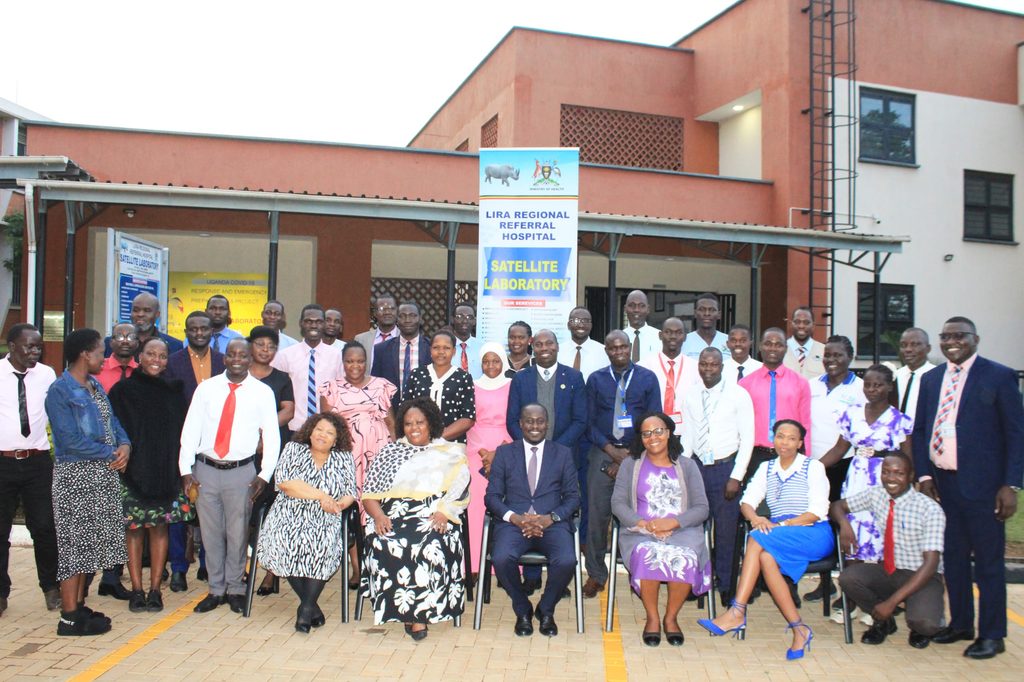
Addressing the Hospital Parliament Wednesday 14th October 2026, the Senior Executive Consultant, Dr Andrew Odur, described the expanded accreditation scope as a strong vote of confidence in the hospital’s capacity to deliver high-quality diagnostic services in line with international standards.
Dr Odur noted that the achievement enhances the hospital’s position as a centre for reliable laboratory services and strengthens its preparedness to support Uganda’s readiness for the 2027 Africa Cup of Nations (AFCON).
He emphasised that the newly accredited tests demonstrates the hospital’s commitment to providing internationally recognised diagnostic services, reducing the need for patients to seek specialised laboratory testing outside the country.
The SANAS assessment team, led by Head of Delegation Nontando Glacia Moeketsi, confirmed that the accreditation process was conducted in accordance with the ISO 15189:2022 standard, which specifies requirements for quality and competence in medical laboratories.
Moeketsi attributed the new accreditation to the laboratory’s use of appropriate technologies, the competence of its human resources, and the implementation of a sustained quality management system.
She noted that the international recognition of the laboratory’s accredited tests means that patients and healthcare providers can have confidence in the results generated at the facility, without the need to send samples abroad for tests within its accredited scope.
“The accreditation demonstrates that the laboratory has the appropriate systems, technology and expertise to provide reliable diagnostic services that meet international standards,” Moeketsi said.
The LRRH Satellite Laboratory Manager, Mr Benard Ongora, reaffirmed the laboratory’s commitment to maintaining high standards of quality, accuracy, reliability and timeliness in the delivery of diagnostic results.
Ongora commended the hospital management for providing the necessary resources and institutional support that enabled the laboratory to achieve this milestone.
He pledged that the laboratory would continue strengthening its quality assurance systems and professional capacity to sustain the accreditation and ensure that patients receive dependable diagnostic services.