
 QFM
QFM
QFM
QFM
7 October 2026, 5:23 pm
By Frank Oyugi
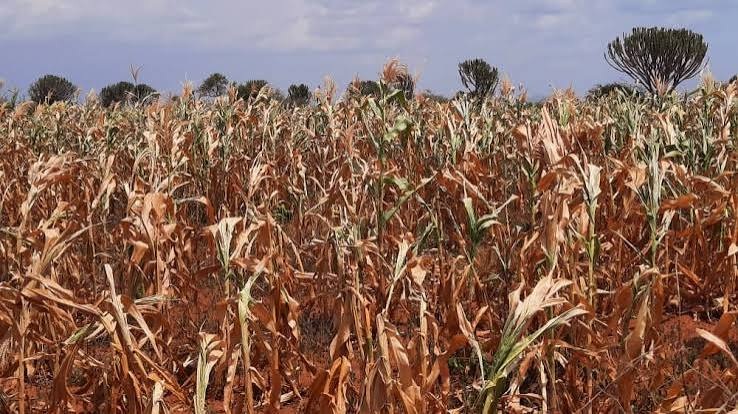
As meteorologists issue warnings over the anticipated El Niño rains, Uganda finds itself at a familiar and precarious crossroads. The dual threat of torrential rainfall in low-lying sub-regions and persistent food insecurity in Karamoja has once again raised questions about why, after four decades of emergency interventions, the country remains trapped in a cycle of reactive disaster management.
The debate intensified during a session of the Parliamentary Committee on Presidential Affairs, chaired by Hon. Martine Ojara Mapenduzi. Lawmakers questioned officials from the Ministry of Relief, Disaster Preparedness and Refugees about their preparedness to address the twin challenges of anticipated El Niño flooding and chronic food insecurity.
For decades, response strategies have relied heavily on temporary relief measures, including the distribution of emergency food, deployment of logistics units and seasonal evacuations. However, members of Parliament expressed deep frustration over the lack of lasting solutions.
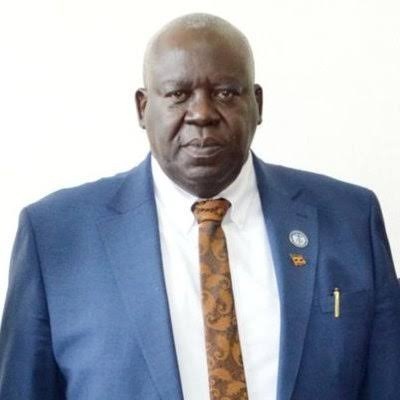
Hon. Sam Engola, the Minister for Relief, Disaster Preparedness and Refugees, offered a candid assessment of the situation, expressing concern that after nearly 40 years, communities in sub-regions such as Karamoja remain dependent on food relief to survive.
He described the continued reliance on food aid in Karamoja as unacceptable and criticised the persistent use of emergency hand-outs. The minister also attributed part of the ongoing disaster challenges to administrative shortcomings and alleged greed among some government officials, claiming that funds intended to develop long-term water infrastructure had previously been misused.
The debate highlighted a sharp divide over how Uganda should build long-term climate resilience. Catherine Ahimbisibwe, Assistant Commissioner for Disaster Preparedness, told the committee that the government plans to construct additional valley dams across Karamoja to capture runoff during periods of heavy rainfall.
However, committee members and regional experts questioned the approach, arguing that conventional valley dams have faced challenges, including high rates of siltation, rapid evaporation during dry periods and incomplete construction projects that can result in the loss of public funds.
In contrast, Minister Engola highlighted an alternative approach, revealing that foreign investors have expressed interest in drawing water directly from the River Awoja in eastern Uganda.
He said piping water from the Awoja basin to Karamoja could support large-scale solar-powered irrigation schemes, providing a more reliable agricultural foundation despite erratic weather patterns.
Ministry officials said comprehensive climate adaptation measures, including large-scale irrigation and environmental conservation, are incorporated into the broader Karamoja Development Plan. However, they noted that implementation remains constrained by budgetary approvals and institutional delays.
While Parliament debates long-term infrastructure solutions, local authorities face the immediate task of preparing for El Niño. Directives issued to district officials across flood-prone and mountainous areas require the immediate implementation of contingency measures.
District Disaster Management Committees must map high-risk catchment areas and issue clear guidance to communities living on steep, landslide-prone slopes to relocate voluntarily. At the same time, local urban councils have been tasked with desilting blocked drainage channels, clearing culverts and reopening natural waterways to improve the flow of stormwater.
Local government budgets are also being aligned with national emergency protocols under the Office of the Prime Minister to ensure rapid distribution of relief supplies and the establishment of temporary shelters once torrential rains begin.
As climate change intensifies extreme rainfall and prolonged droughts across East Africa, Uganda’s shift from short-term relief to permanent water infrastructure will determine whether vulnerable communities can achieve lasting climate resilience or remain trapped in an endless cycle of emergency aid.