
 QFM
QFM
17 November 2026, 8:13 pm
By Hillary Opio Omara
Lira City – The Bishop of Lango Diocese, Rt Rev Prof Dr Alfred Olwa, has called on the Government of Uganda to strengthen protection mechanisms for whistleblowers who expose corruption, warning that their lives remain at serious risk from threats and intimidation.
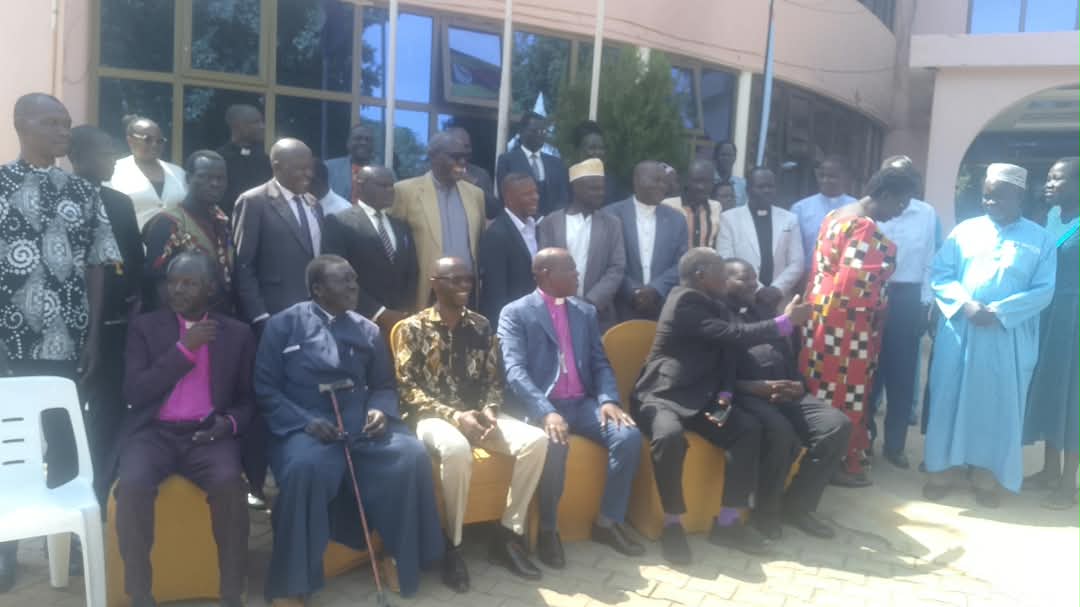
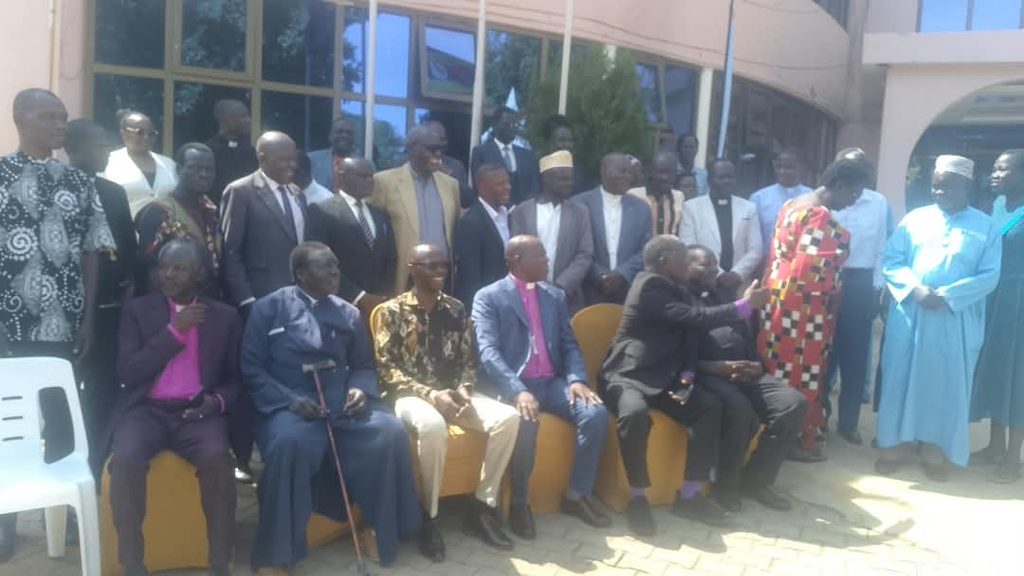
Bishop Olwa made the appeal during a stakeholder engagement meeting organised by the Office of the President through the Directorate for Ethics and Integrity at St Gracious Palace Hotel in Lira City.
The meeting brought together cultural and religious leaders, government officials and other stakeholders from across Lango to discuss corruption and the misuse of public resources.
Bishop Olwa urged the government to provide the necessary resources and security measures to protect individuals who report corruption and promote public accountability at village, parish, sub-county, district and city levels.
He observed that many whistleblowers face serious threats for exposing corruption, with some losing their lives while others live in fear for speaking out.
He further called on Ugandans to embrace transparency and accountability as collective responsibilities, rather than viewing the fight against corruption as solely a government obligation.
According to Bishop Olwa, public accountability must begin with individual citizens and become part of the country’s wider social values.
He also emphasised the important role of religious and cultural institutions in mobilising communities, educating citizens and promoting integrity.
Lira City Resident City Commissioner Emmy Lawrence Egole said the Office of the President, through the Directorate for Ethics and Integrity, had continued engaging stakeholders and educating leaders about the dangers of corruption.
However, he expressed concern that some leaders, particularly at district level across the Lango sub-region, were panicking ahead of Minister Balam’s visit to Lango.
Egole challenged journalists in Lango and across Uganda to strengthen investigative reporting by exposing individuals involved in corruption without fear or favour, regardless of their positions in society.
The Co-Chair of the President’s Council of the Inter-Religious Council of Uganda (IRCU), Bishop Joshua Lwere, explained that the engagement in Lango was intended to listen to public views and gather community perspectives on how corruption and the misuse of public resources could be addressed.
Bishop Lwere noted that the government was working with approximately 22 institutions across the country in the fight against corruption, with the Directorate for Ethics and Integrity playing a key coordinating role.
Rev Fr Innocent Valente Opio called for the fight against corruption to begin at household level, arguing that children should be raised with strong moral values and taught honesty and integrity from an early age.
He said children who receive proper moral upbringing were more likely to demonstrate integrity in their future workplaces and reject corrupt practices.
Willy Mudong, Chairperson of the Public Accounts Committee (PAC) in Lira, urged the government to reduce the 22 institutions to four to make the fight against corruption easier and more effective.
Dr Morish Christ Ongom, Executive Director of Gloford, called on the government to establish stronger coordination mechanisms bringing religious and cultural institutions together in the fight against corruption.
He proposed creating a coordinated framework under a single ministry or institutional arrangement to unite stakeholders and strengthen their contribution.
The engagement was expected to provide an opportunity for leaders and members of the public to discuss corruption-related challenges, promote accountability and strengthen community participation in protecting public resources.