
 QFM
QFM
QFM
QFM
23 June 2026, 3:33 pm
By Frank Oyugi
LIRA CITY – The Lango Cultural Institution has lauded the German government and the Fountainhead Institute of Management and Technology (FIMAT) for their strategic partnership aimed at equipping regional youth with critical technical skills and driving rural development through green energy.
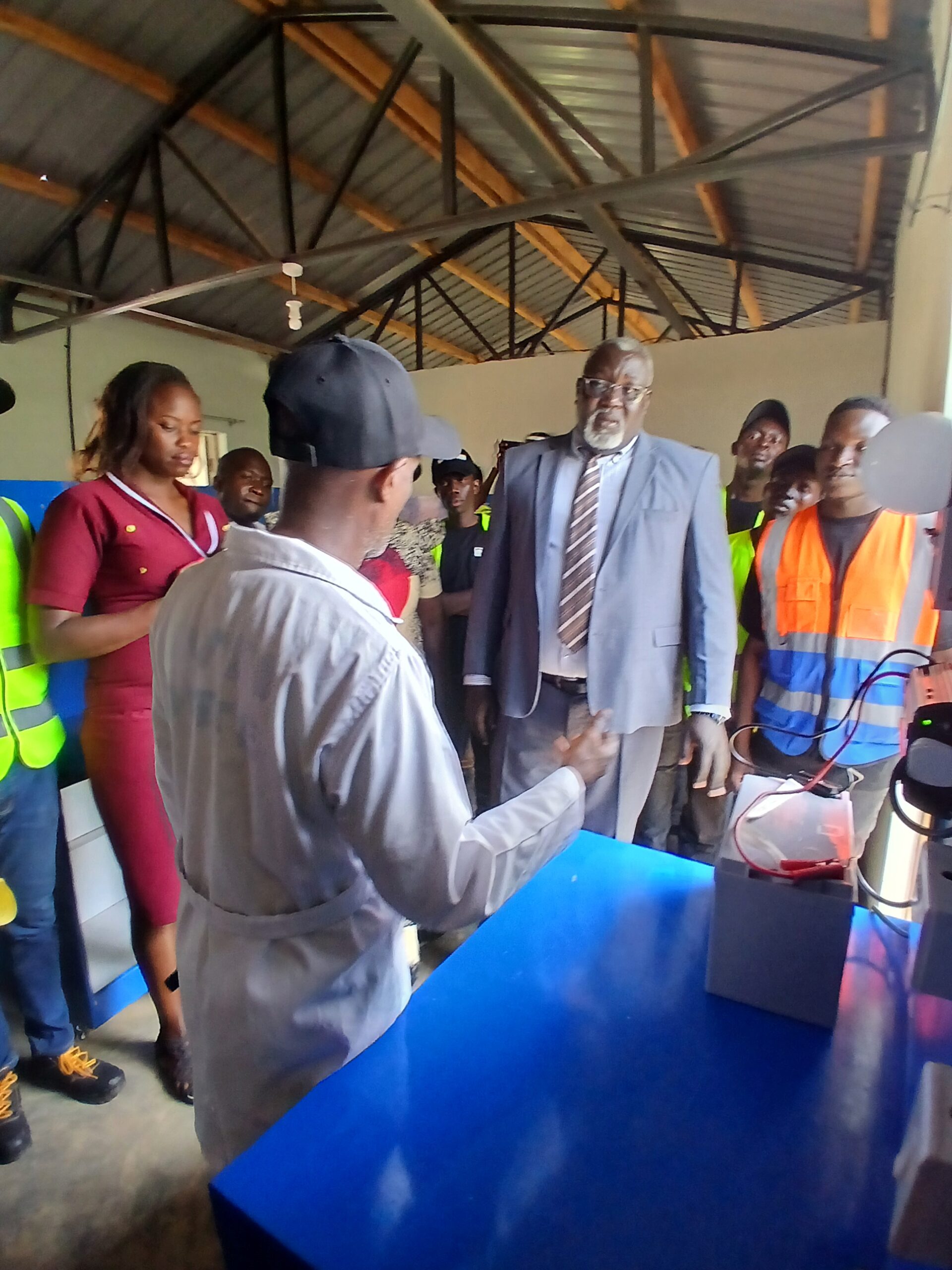
The remarks were made by Edwin Odur Luru, the Head of Protocol for the Lango Cultural Institution, who represented His Highness the Paramount Chief of Lango, Dr. Engineer Moses Michael Odongo Okune, during an event marking the culmination of a specialized training initiative at the FIMAT campus in Amuca Ward, Lira City.
Addressing dignitaries, local leaders, and city officials onFriday last week, Odur Luru emphasized that the cultural institution strongly aligns with initiatives that foster self-sustainability, non-discrimination, and community-based innovation.
He commended the partners for providing local youth with viable economic alternatives through technical training.
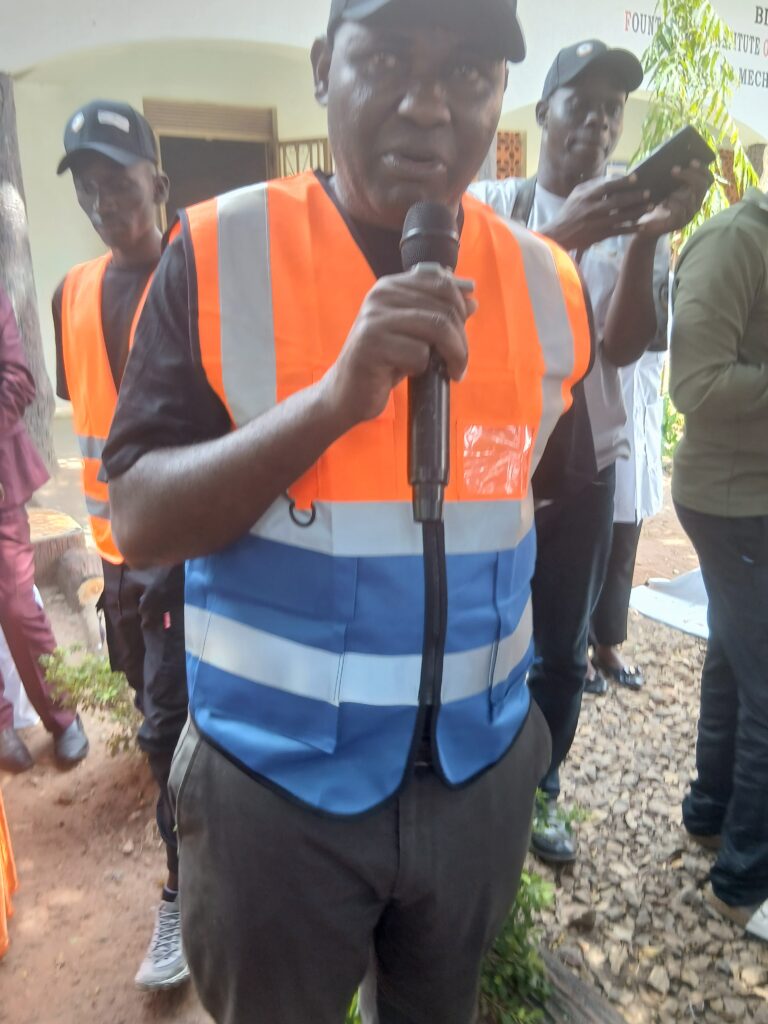
Speaking on behalf of the institute, the Principal of FIMAT, Tom Okao, expressed profound gratitude to the German Agency for International Cooperation (GIZ) for their substantial financial and equipment support.
Okao revealed that the multi-million shilling partnership has drastically elevated the institute’s technical training capabilities, allowing them to expand their initial cohort from 30 to 33 trainees for the five-week solar energy program.
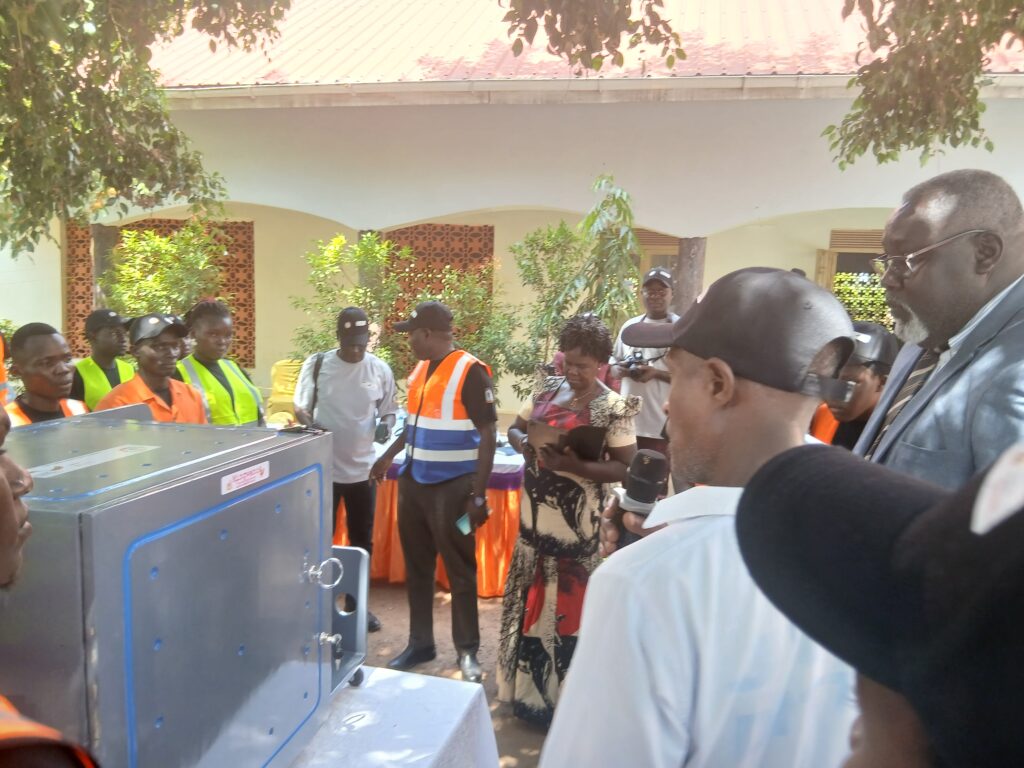
As part of the initiative to drive local production, the institute unveiled a breakthrough innovation: a highly affordable, solar-powered poultry egg incubator dubbed “Mingweno” (translated from the local language to mean for the chicks/”mother chicken”), developed entirely by FIMAT students.
According to school officials, the Mingweno solar incubator is designed to help rural farmers bypass the high costs of grid electricity and counter the market dominance of commercialized poultry supply chains, boosting local hatching capacity instead.
Looking forward, the institute’s leadership made a passionate appeal to GIZ and other international partners to extend support toward emerging technologies, specifically requesting a specialized e-mobility training program to prepare at least 10 local technicians for the maintenance and repair of hybrid and electric motorcycles.
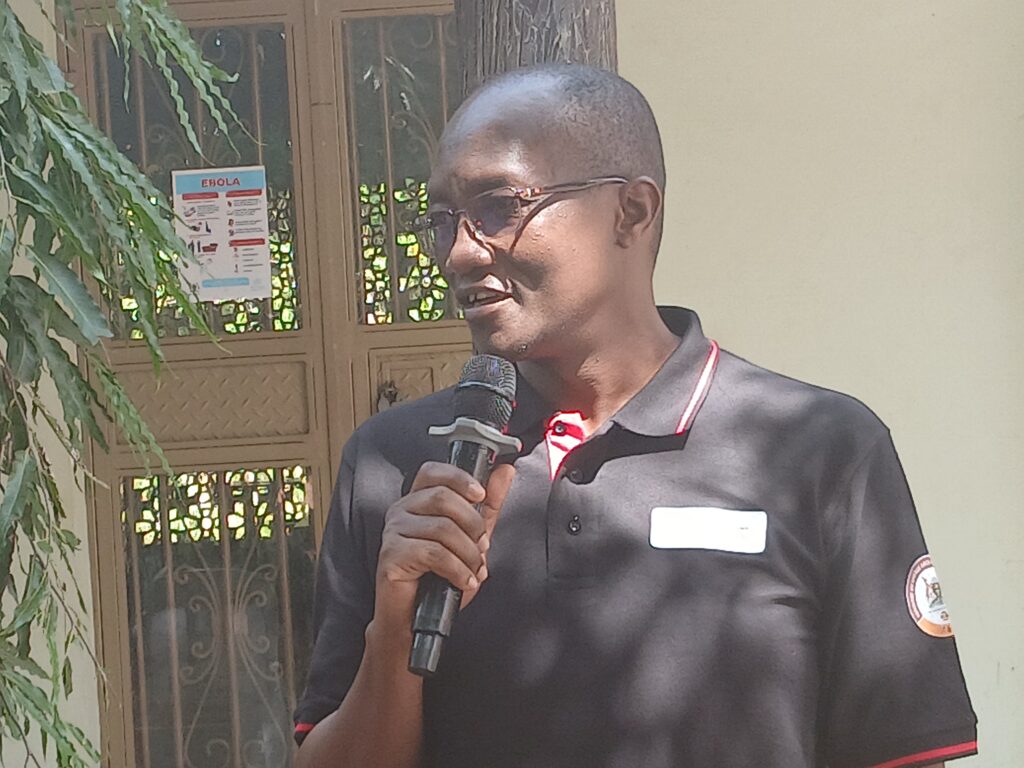
Joshua Kunya from GIZ also commended FIMAT for successfully implementing the solar training and pledged future partnerships with the institute.
The successful five-week solar energy training project is part of a broader regional initiative implemented across Northern Uganda to showcase the productive use of renewable energy beyond domestic lighting, enabling communities to achieve financial independence while driving green transformation.