
 QFM
QFM
27 October 2026, 4:57 pm
By Frank Oyugi
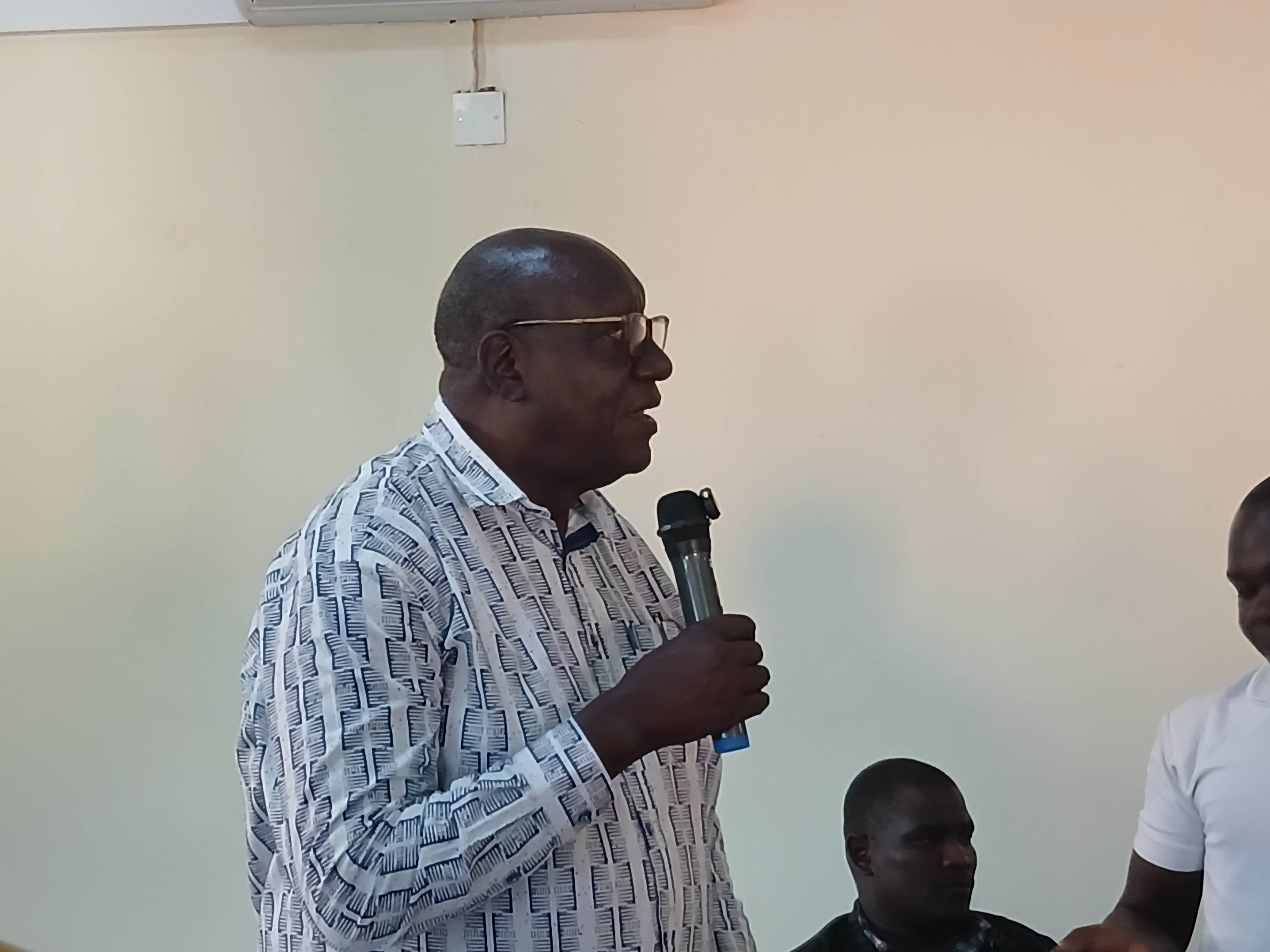
Lira city 27th Oct-2026|”The spinning mill was never a local affair; it was a national institution that employed people from all corners of Uganda—from West Nile to Teso and Fort Portal,” Joel Aliro Omara, Uganda’s former Minister of Commerce and former Commissioner at the Uganda Human Rights Commission has said cutting straight to the heart of the decades-long industrial neglect plaguing Northern Uganda.
Omara pulls no punches when recounting the facility’s collapse, pointing directly to the flashpoint of 1984 when a workers’ strike over non-payment crippled operations, a crisis instantly suffocated by the political convulsions of the 1985 coup.
Speaking with the authority of a veteran statesman, Omara identifies the root cause as glaringly obvious: a fatal lack of proper capitalization from day one. When private entities like Rwenzori Ginners Company Limited subsequently attempted to take the wheel, they crashed against the harsh reality of severe undercapitalization, leaving a once-mighty manufacturing powerhouse as a rotting, hollow shell.
That grim reality brought the Parliamentary Committee on Trade, Tourism, and Industry—spearheaded by Chairperson Hon. Boniface Okot (MP Kole South)—stomping into Lira City for a high-stakes oversight tour of the defunct facility. Backed by a fresh parliamentary resolution demanding immediate revitalization, the committee wasted no time holding a fiery stakeholder session with former workers at the Fresh World Hotel in ira city on Tuesday.
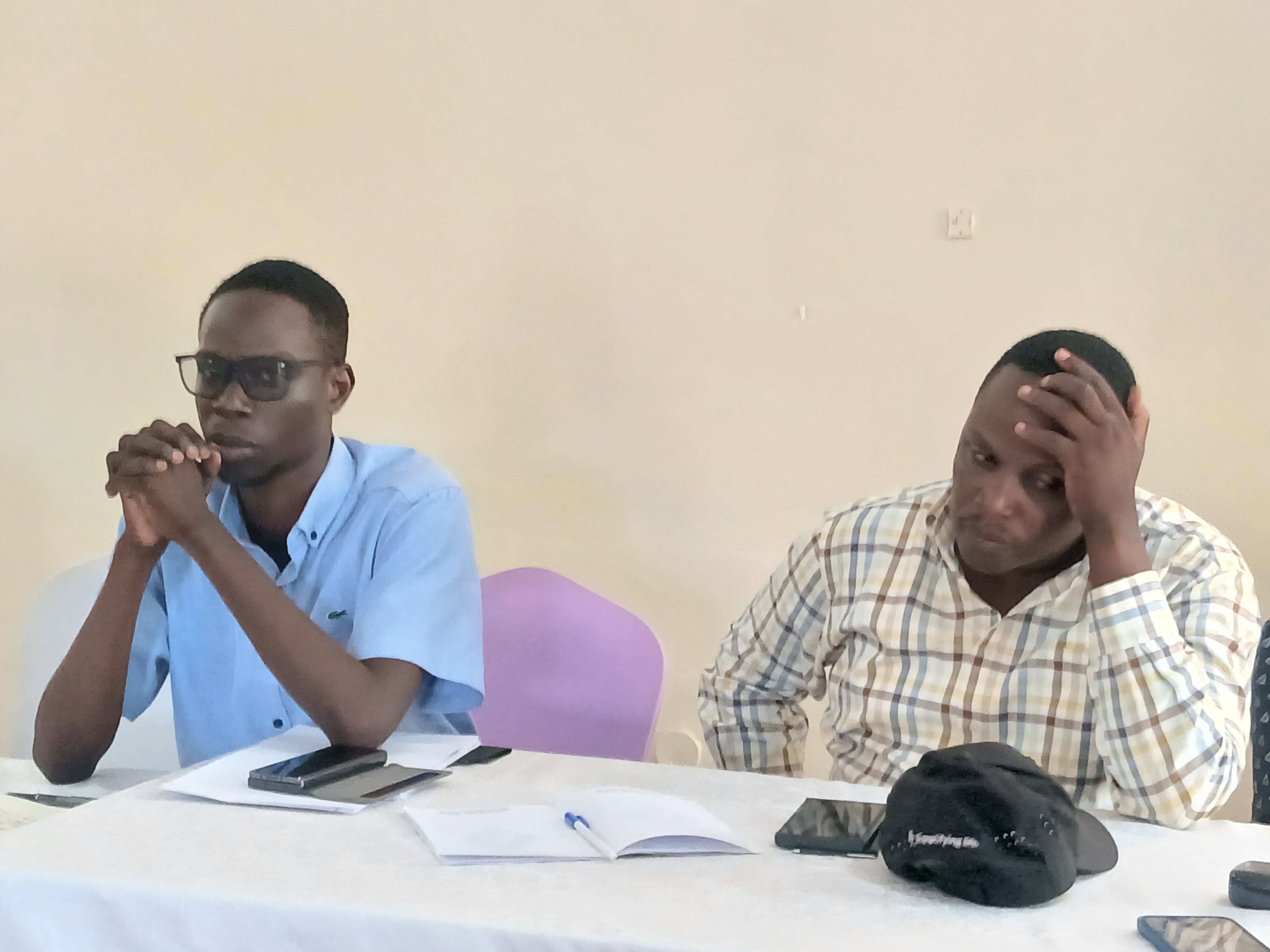
Speaking with raw emotion on behalf of the abandoned workforce, Santos Moro painted a devastating picture of generational fallout. He detailed how hundreds of thousands of former workers have lived and died in abject misery, leaving behind vulnerable widows and orphans locked out of basic education.
For Moro and his peers, revamping the mill is non-negotiable: it is the only way to claw back decades of unpaid salary arrears while injecting aggressive, much-needed employment for restive youth and desperate cotton farmers. Addressing the private sector’s dismal failure to manage the plant, Hillary Isingima of Rwenzori Ginners flatly admitted defeat, conceding that the firm completely lacked the financial muscle to keep the lights on and forcefully urging the central government to take over ownership.
Echoing that hardline stance, Omara demands that the state stop treating the crisis as a peripheral regional favor. Drawing a sharp economic parallel, the former Commerce Minister notes that skeptics once tried to kill off oil crop farming with the exact same defeatist propaganda—yet those crops now aggressively sustain multiple major industries across the city. Pushing back against financial excuses,
Omara points out that an estimated injection of $60 million to $67 million to resurrect the spinning mill is pocket change compared to the massive explosion of manufacturing jobs it will detonate across the country. As the political machinery grinds forward, Omara issues a stern warning: the people of Lira are keeping their ears wide open, watching closely to see if parliament’s bold resolution will finally translate into hard, unapologetic government action.