
 LUO FM
LUO FM
LUO FM
23 May 2026, 9:28 pm
By Geoffrey Okwong
Stakeholders in Pader District have emphasised the need to sustain Farmer Managed Natural Regeneration (FMNR), strengthen environmental restoration efforts and explore carbon financing opportunities as pathways to sustainable livelihoods.
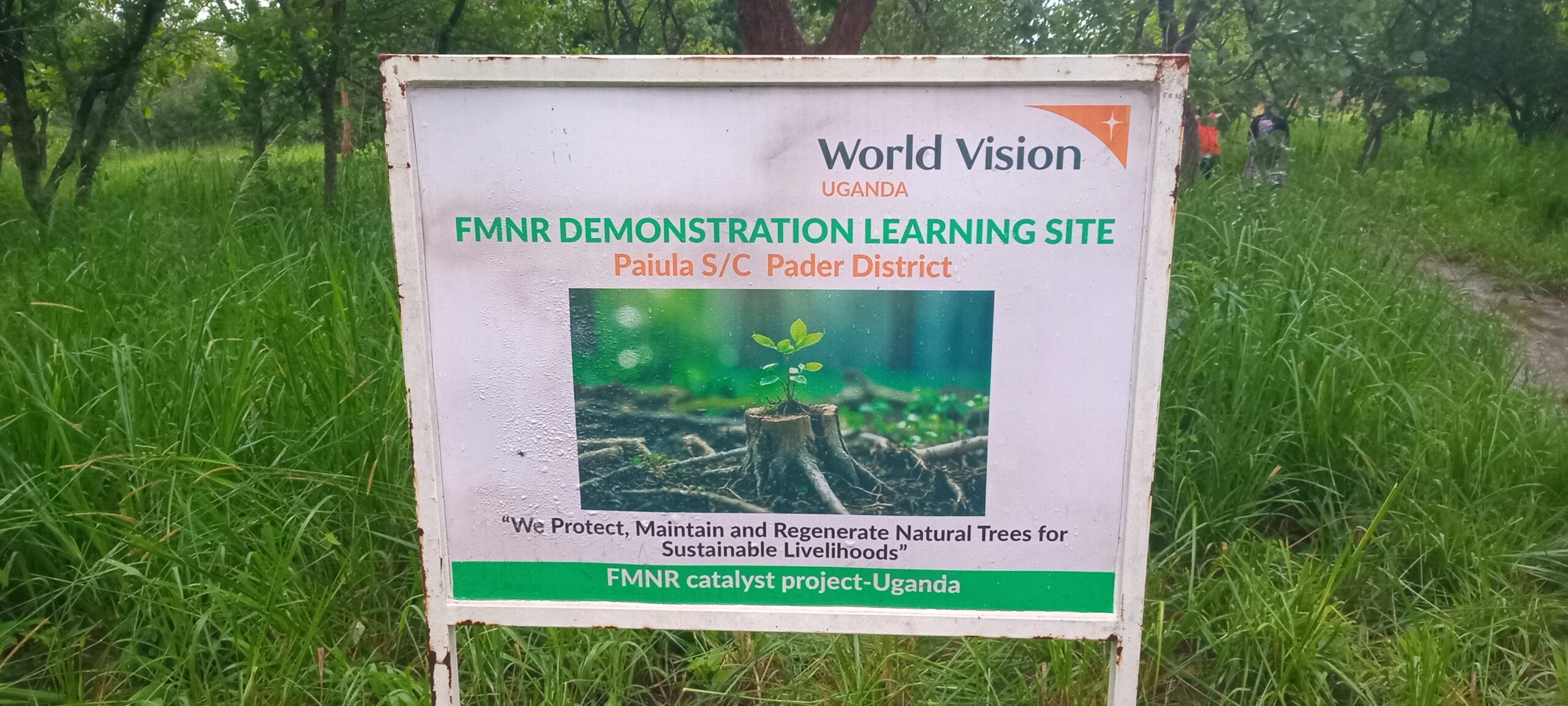
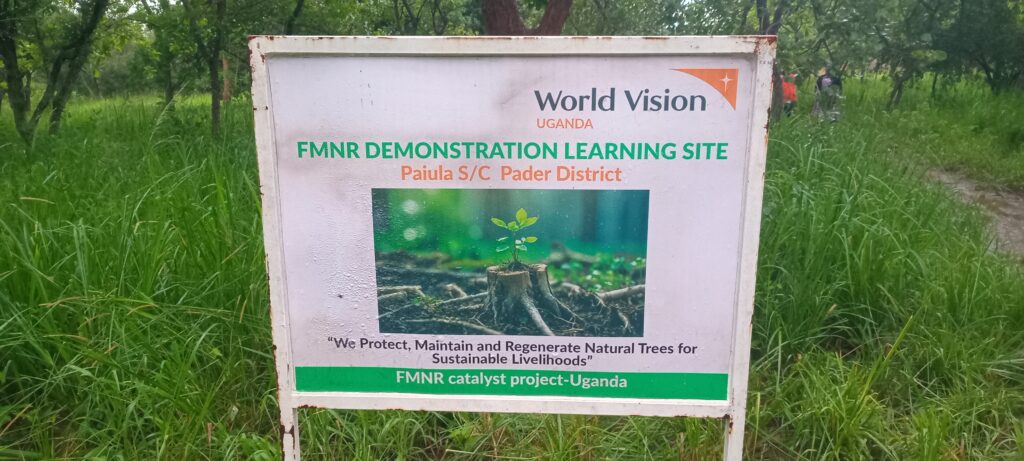
The call was made during an exposure and learning visit organised by World Vision in partnership with Pader District Local Government on 19 May 2026 at Ojile Village, Palwo Parish, Paiula Sub county, at the home of one of the FMNR champion farmers, whom World Vision refers to as model farmers practising the initiative.
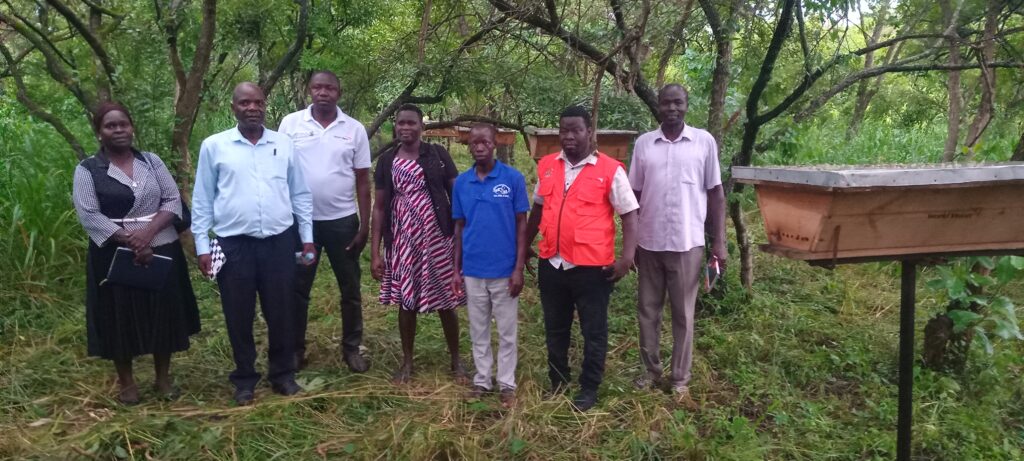
The visit brought together district leaders, technical officers, project staff and community members to learn practical lessons from successful FMNR practices and to discuss ways of scaling up environmental restoration across the district.
Speaking during the visit, Martine Okello, the District Forestry Officer for Pader, emphasised the need to sustain the FMNR initiative beyond project support, noting that it should be implemented alongside tree planting efforts.
He said sustainable environmental management remains critical as communities depend on trees for livelihoods and environmental benefits, including emerging opportunities in carbon financing.
Okello described FMNR as one of the most cost-effective restoration approaches, as it relies on naturally regenerating vegetation.
Meanwhile, Simon Olanya Kadi, FMNR Project Officer at World Vision, stressed the importance of community ownership if the initiative is to succeed beyond donor support.
He noted that the learning visit was intended to create practical interaction among farmers, local leaders and stakeholders so that communities can learn directly from model farmers already practising FMNR.
Kadi acknowledged that environmental degradation and the destruction of regenerating vegetation remain challenges in some areas, and called for collective responsibility and increased awareness to address the problem.
Also speaking during the visit, Sarah Aluko explained the origins of FMNR, describing it as a globally recognised restoration approach pioneered by Australian agronomist Tony Rinaudo in Niger after repeated failures in conventional tree planting.
According to Aluko, the approach encourages communities to protect and manage naturally regenerating tree stumps and shoots instead of relying solely on planting new trees.
She added that World Vision adopted the model in Uganda around 2013 in response to climate change and environmental degradation, first piloting it in areas such as Nakasongola before expanding to Northern and Eastern Uganda following positive results.
Speaking on behalf of government, Augustine Omongin, the Deputy Resident District Commissioner (RDC) of Pader, urged communities to make productive use of land through environmental conservation and tree planting.
He encouraged farmers with large pieces of land to embrace tree growing and commercial farming, while discouraging land conflicts that hinder development.
The Deputy RDC also commended the FMNR initiative, saying wider adoption could transform livelihoods and improve environmental conservation in the district.
At community level, champion farmers shared experiences on how FMNR has transformed land use and livelihoods.
David Oringa, a resident of Ojile Village in Palwo Parish, Paiula Sub-county, said land should be divided into three sections for effective management — grazing land for livestock, crop farming and forestry.
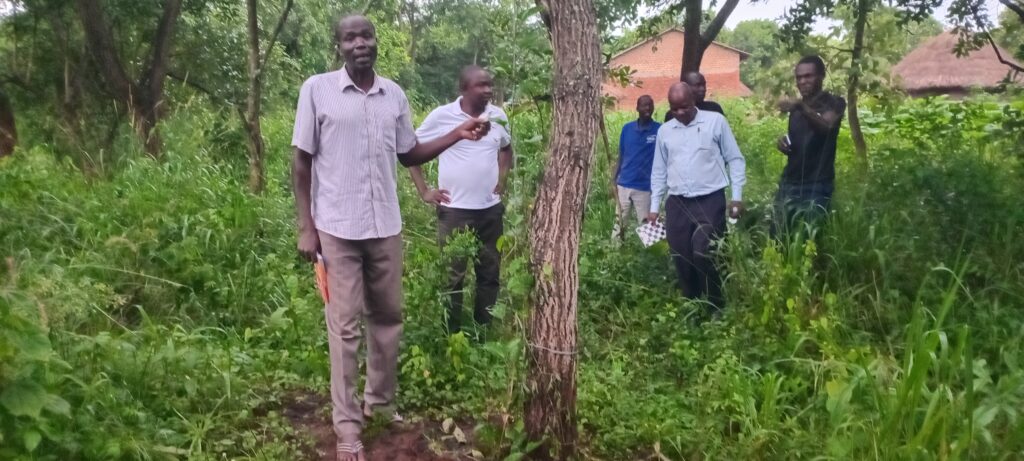
Oringa explained that integrated land use under FMNR can generate multiple income streams. He cited apiculture as one example, noting that beekeeping within regenerated forests offers opportunities for higher earnings through honey production.
He also said he keeps pigs on grazing land, which reduces expenditure on animal feeds, as available vegetation and weeds supplement feeding.
Oringa, who said he can identify 31 tree species on his land by name, revealed plans to introduce passion fruit cultivation within the regenerated forest as part of efforts to diversify income while continuing environmental restoration.
However, some champion farmers highlighted challenges affecting the implementation of FMNR.
Richard Opiyo from Lamogi Parish in Pauli Sub-county reported cases of destruction of regenerated forests by community members seeking firewood, particularly during the dry season.
Opiyo called for joint discussions involving stakeholders and community members to increase awareness of FMNR’s benefits and encourage wider adoption for environmental conservation.
Another champion farmer, Patrick Olara from Ogago Parish in Paiula Sub-county, said some community members remain reluctant to allocate parts of their land for natural regeneration, often questioning how conservation efforts will directly benefit them.
Farmer Managed Natural Regeneration is a low-cost, community-led land restoration technique in which farmers identify, prune and protect existing tree stumps, roots and naturally regenerated seedlings instead of planting new trees.
In Pader District, FMNR is currently being practised in the sub-counties of Paiula and Pader.