
 LUO FM
LUO FM
LUO FM
28 May 2026, 5:43 pm
By Geoffrey Okwong
Pregnant mothers in Pader District have been urged to seek care at health facilities throughout pregnancy to improve maternal and child health outcomes and reduce preventable complications associated with poor nutrition and delayed antenatal care attendance.
The call was made during a district advocacy and stakeholder engagement on Multiple Micronutrient Supplements (MMS), where health officials, government representatives and stakeholders emphasized the importance of antenatal care (ANC), proper nutrition and accurate information to support healthy pregnancies.
Speaking during the engagement, Ambrose Ongwech, the Acting Assistant District Health Officer (ADHO) in charge of Maternal and Child Health in Pader District, said stronger coordination among stakeholders was necessary to improve maternal healthcare services and encourage pregnant women to attend antenatal clinics.
Ongwech, who represented the District Health Officer for Pader, explained that pregnant women have traditionally received supplements such as folic acid and ferrous sulfate to support healthy pregnancies, but the Ministry of Health has now introduced a new intervention that combines multiple nutrients into one supplement to make it easier for mothers to take during pregnancy.
He noted that misconceptions had already emerged in communities, with some people mistaking the newly introduced supplements for antiretroviral drugs (ARVs) because of similarities in packaging.
Ongwech urged religious leaders, cultural leaders, youth representatives, women groups and community-based organizations to help spread accurate information and encourage mothers to seek antenatal care services.
Augustine Omongin, the Deputy Resident District Commissioner for Pader, in his opening remarks said good health remained essential for national development, stressing that a healthy population contributes to economic productivity and social progress.
Omongin commended efforts by government and development partners to improve maternal health services and urged communities to support expectant mothers through proper nutrition, hygiene and healthcare.
He also acknowledged misconceptions surrounding the new pregnancy supplements, saying communities needed sensitization to understand that the medicines are intended to improve maternal and child health.
He further encouraged families to utilize available land productively to grow nutritious food that can support pregnant women and improve household nutrition.
Representing the Ministry of Health, Sulah Kaggwa said the government was working with partners, including the Clinton Health Access Initiative (CHAI), to roll out awareness campaigns on Multiple Micronutrient Supplements across districts in the Acholi sub-region.
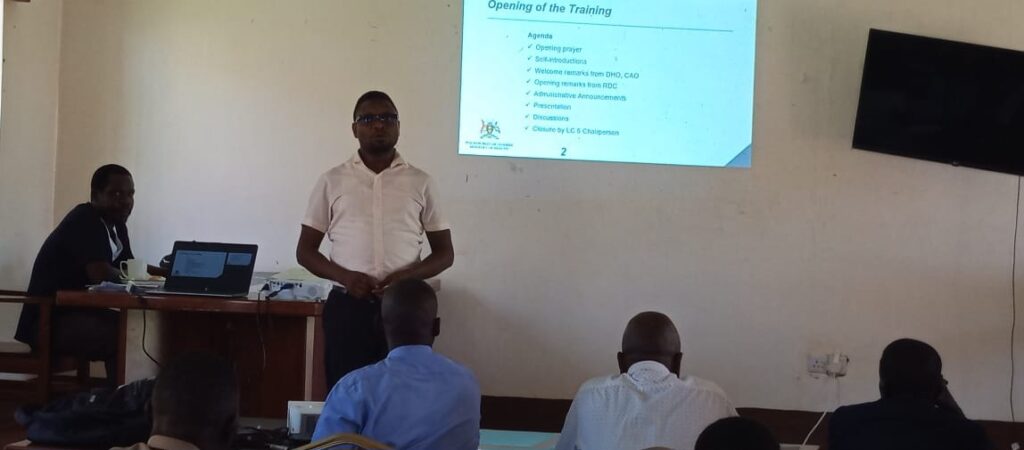
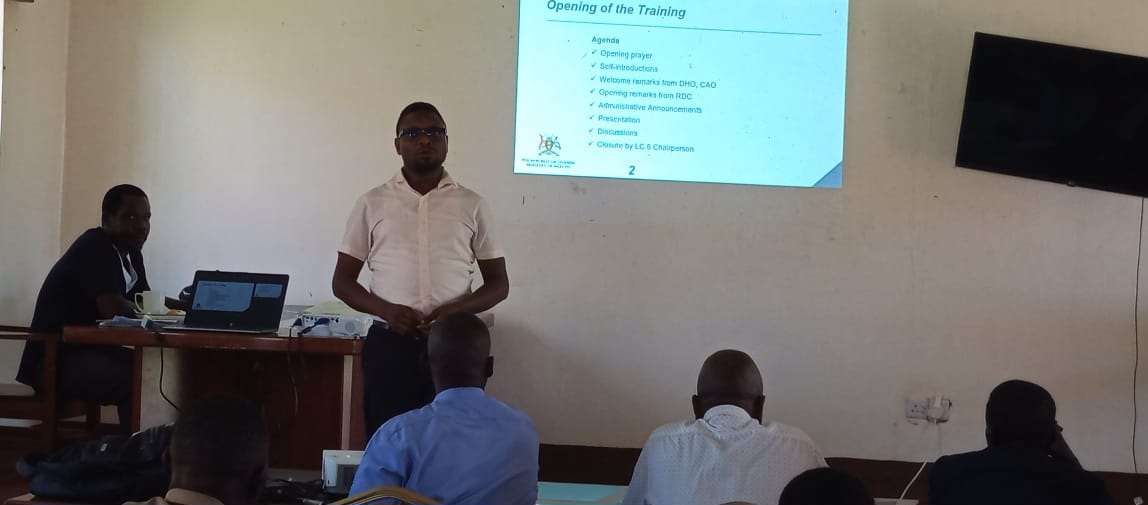
Kaggwa, who is also the Social Behaviour Change Officer at the Ministry of Health, said the Ministry was relying on trusted opinion leaders to spread information about the new supplements and encourage pregnant mothers to attend health facilities for antenatal services.
According to Kaggwa, MMS replaces iron and folic acid supplements previously given to pregnant women because it contains additional vitamins and minerals that help reduce risks such as anemia, low birth weight, premature births and stillbirths.
He stressed that MMS is safe, free of charge and available at health facilities, adding that pregnant women should begin taking the supplements immediately after realizing they are pregnant and continue throughout pregnancy.
Kaggwa also emphasized the importance of proper nutrition during pregnancy, encouraging mothers to eat balanced diets consisting of energy-giving foods, body-building foods and protective foods.
Pastor Justine Otim of Victory Church said religious leaders have an important role to play in promoting maternal health because many community members often seek guidance from faith leaders before visiting health facilities.
Pastor Otim described the engagement and training on maternal and child health as empowering, noting that religious leaders are often entrusted with sensitive information that people may not easily share with health workers.
He said many pregnant mothers and families first seek counselling from pastors and other religious leaders, making it important for faith leaders to be equipped with knowledge on maternal health and referral systems.
He called for maternal health education to be incorporated into church leadership conferences and interfaith gatherings to ensure religious leaders are better informed and able to support communities with accurate health information.
Stakeholders at the meeting were urged to use their community platforms to promote antenatal care attendance, counter misinformation and support government efforts aimed at improving maternal and child health outcomes.
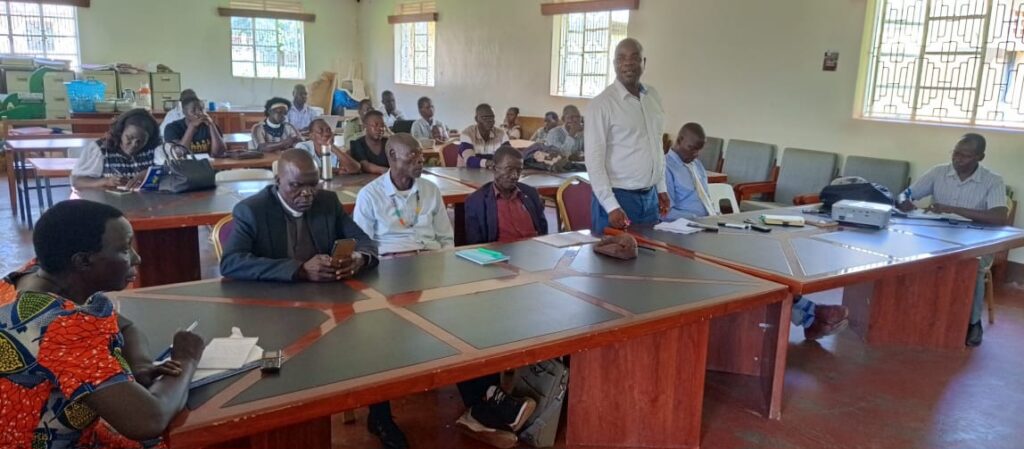
The engagement brought together cultural leaders, religious leaders, local government officials, youth representatives and community stakeholders to strengthen advocacy efforts for maternal health and improve awareness about Multiple Micronutrient Supplements in Pader District.