
 LUO FM
LUO FM
LUO FM
1 July 2026, 10:28 am
By Geoffrey Okwong
World Vision Uganda has reaffirmed its commitment to improving the welfare of children and strengthening health and education services in Pader District through an annual investment of more than Shs2.22 billion, as district health officials called for closer coordination among development partners to address persistent challenges in healthcare delivery.
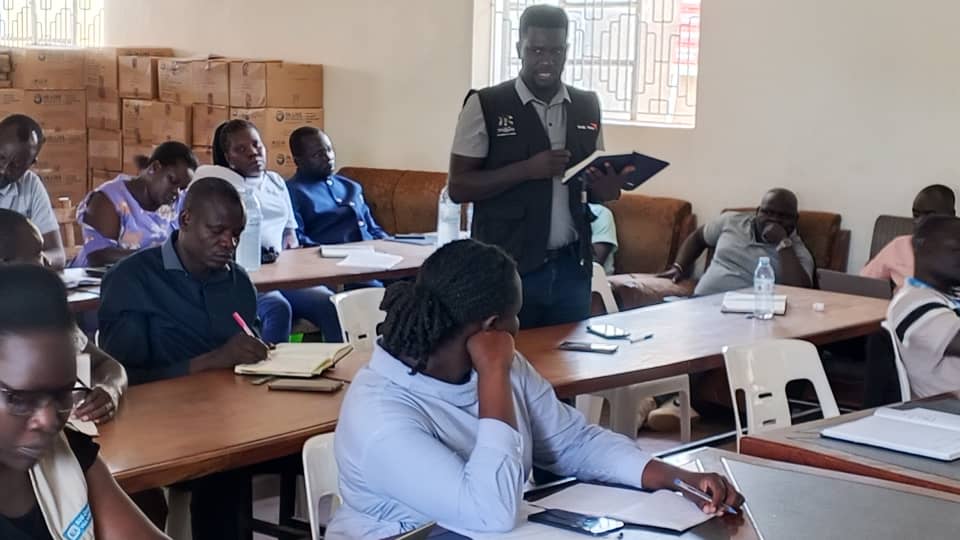
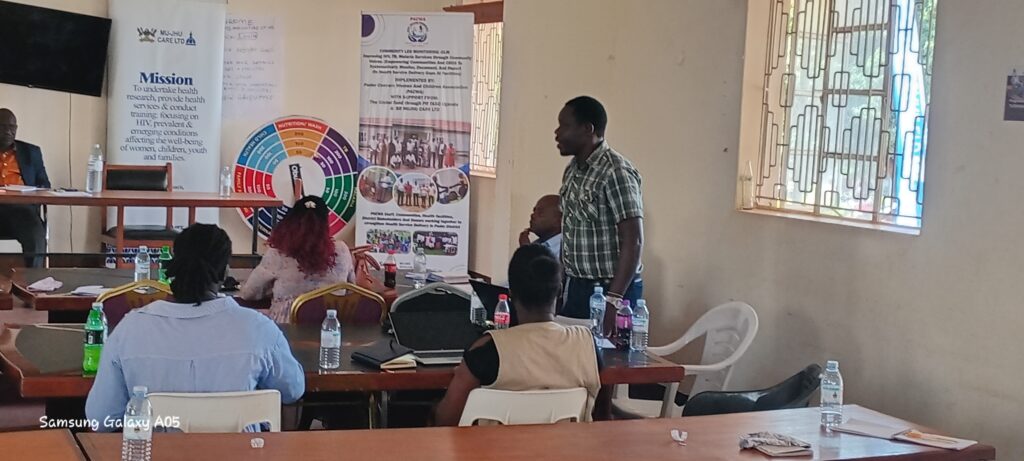
The commitment was made during a meeting between district leaders and development partners held at the district headquarters.
Presenting the organisation’s progress report, David Ssenyimba, Programmes Manager for World Vision Uganda’s Acholi Sub-region, said the Pader Area Programme operates on an annual budget of US$520,000, equivalent to approximately Shs2.22 billion, with funding from partners in Germany and Finland.
He said the programme directly supports 3,500 registered children while also benefiting their families and surrounding communities through integrated interventions in health, education, water and sanitation, child protection, and livelihoods.
According to Ssenyimba, the programme, which began in 2019, is expected to run until 2031, providing 12 years of sustained community development.
He explained that World Vision Uganda’s current strategy seeks to improve and sustain the well-being of five million vulnerable children and their families nationwide through an integrated programming approach.
“Our focus is on child well-being through integrated programming that brings together health, education, water and sanitation, child protection, and community empowerment,” Ssenyimba said.
Under the health component, World Vision is promoting maternal, newborn and child health, HIV counselling and testing, antenatal care, nutrition, and community-led total sanitation programmes aimed at eliminating open defecation.
Ssenyimba said the organisation has supported the construction of 1,300 household latrines under the Sanitation Accelerator Project and is working towards having nine villages declared Open Defecation Free (ODF) this year.
The organisation is also constructing five-stance drainable pit latrines at selected health facilities, valued at about Shs202 million.
He emphasised that all construction projects are undertaken only after communities identify their priorities and the district technical team, including the Chief Administrative Officer and relevant departments, approves the projects to ensure they align with the district development plans.
In education, World Vision continues to work with the District Education Department, School Management Committees, Parent-Teacher Associations and school administrators to improve enrolment, retention and learning outcomes.
Current investments include disability-inclusive sanitation facilities worth about Shs148 million, a school library valued at approximately Shs48 million, and a solar-powered water supply system costing about Shs162 million, which will serve one primary school and six neighbouring villages.
The organisation has also established 42 school clubs across 14 schools focusing on child protection, children’s rights, reading promotion, and water, sanitation and hygiene.
Teachers have been trained in early warning systems to identify learners at risk of dropping out, learner-centred teaching methods, lesson planning, and disaster risk reduction.
To improve learner retention and nutrition, World Vision has supported school feeding initiatives in nine schools by training teachers and parents to establish school gardens and providing maize and bean seeds for food production.
Ssenyimba said the organisation also identified 534 vulnerable sponsored children without adequate bedding and procured mattresses to improve their living conditions.
He added that World Vision remains ready to support the district in emergency responses, including Ebola preparedness, if called upon.
Responding after the presentation, Ambrose Ongwech, the Assistant District Health Officer in charge of Maternal and Child Health, welcomed World Vision’s continued investment, describing the organisation as one of the district’s key health partners.
Ongwech, however, said poor road infrastructure continues to hinder access to healthcare, particularly for pregnant women and newborn babies.
He explained that delays in seeking treatment, reaching health facilities, and receiving timely care contribute to maternal and neonatal deaths, with poor roads worsening the situation.
“We know there are three major delays in maternal healthcare. Poor roads increase delays in reaching health facilities, and in the past we have lost mothers and babies because they could not access services in time,” Ongwech said.
He also disclosed that Pader District’s health sector is operating at only 23 per cent staffing, despite ongoing government recruitment efforts.
According to Ongwech, the district is implementing phased recruitment, but staffing shortages remain a major challenge.
He noted that differences in staffing levels among health facilities are largely influenced by patient workload, with high-volume facilities such as the district hospital requiring more personnel than lower-level health centres.
Ongwech called for stronger coordination among implementing partners, saying many organisations support similar interventions but often work independently.
He encouraged development partners to participate consistently in the district’s quarterly performance review meetings to improve planning, avoid duplication of activities, and jointly address emerging health challenges.
He also appealed for increased collaboration in addressing adolescent health issues, particularly teenage pregnancy and the well-being of young people, urging partners to generate evidence that can inform government planning and decision-making.
Ongwech concluded by appreciating the contributions of development partners and reminded organisations handling sensitive health information to uphold patient confidentiality during public presentations.
The meeting brought together district leaders, technical officers and development partners to review ongoing programmes and strengthen collaboration in improving service delivery across Pader District.