
 LUO FM
LUO FM
LUO FM
13 August 2026, 6:25 am
By Geoffrey Okwong
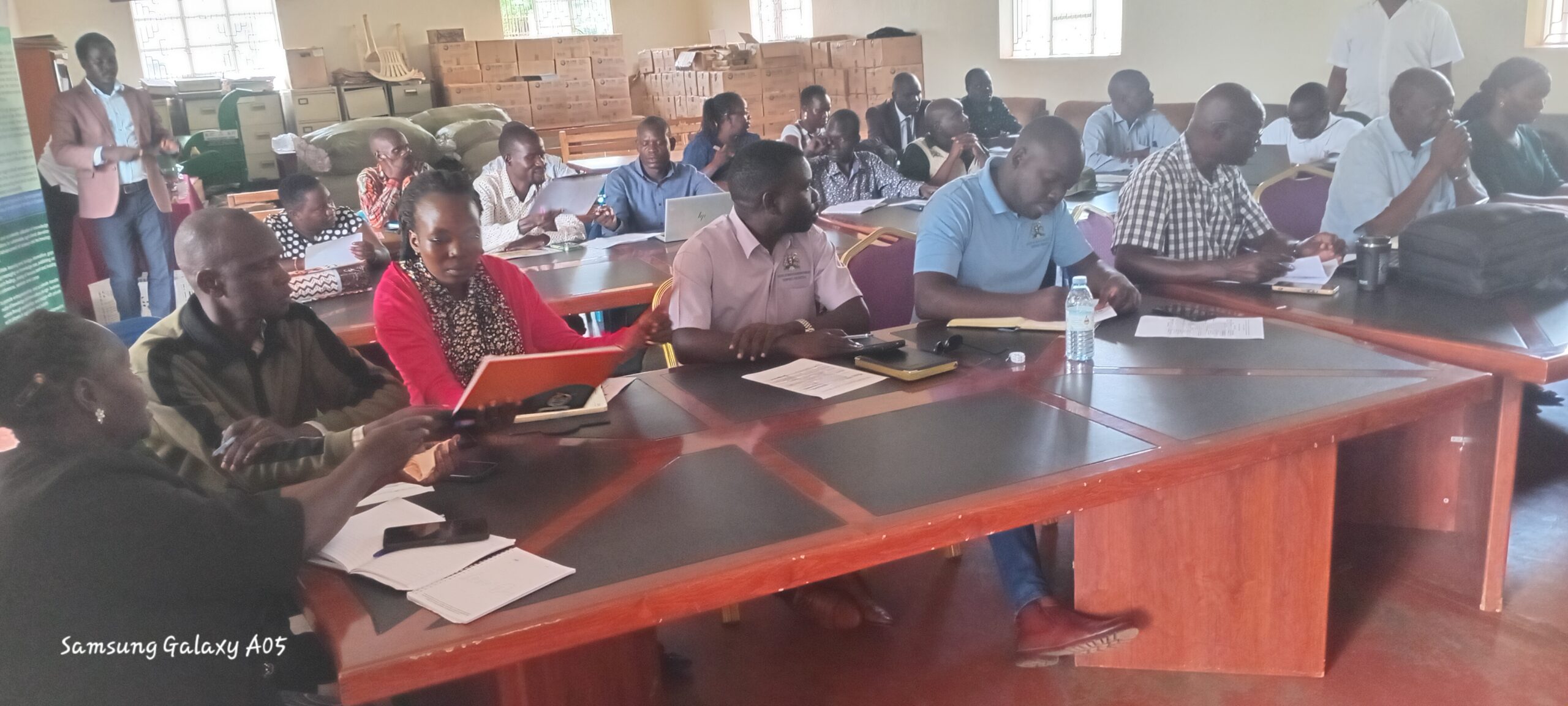
The effects of climate change on water availability, livestock production and community livelihoods in Uganda’s cattle corridor are expected to receive renewed attention under a new five-year project being implemented in Pader District.
The project, dubbed Fostering Water Security and Catchment Resilience in Uganda’s Cattle Corridor, is funded by the Global Environment Facility (GEF) and seeks to strengthen communities’ capacity to cope with climate change while improving access to water for domestic and agricultural use.
Joseph Lule, the National Project Focal Person from the Ministry of Water and Environment, said the project would invest in water infrastructure, catchment conservation and alternative livelihoods to help communities withstand the growing effects of climate change.
Lule said climate change is also affecting existing water sources, with some boreholes breaking down and water tables declining, making access to reliable and safe water increasingly difficult for communities.
He said the project would therefore support the development and rehabilitation of water sources, including valley tanks, solar-powered water systems and irrigation infrastructure, while promoting tree planting and conservation around water sources.
Lule said the project would also support Pader and other beneficiary districts to integrate climate change actions into their development plans and policies.
He explained that the initiative is a pilot for a larger programme expected to cover 26 districts with support from the Green Climate Fund.
Elizabeth Ahumuza, the Technical Lead of the project, said the intervention would take an integrated approach by linking water security with climate adaptation and sustainable livelihoods.
Ahumuza said communities would not simply be given predetermined livelihood activities. Instead, the project would first assess their needs and allow them to identify activities that could provide sustainable income while protecting the environment.
She said communities could receive support for activities such as beekeeping, livestock improvement, disease prevention and artificial insemination, depending on what is appropriate for each community.
Ahumuza said the project would also establish conservation agreements with communities, under which beneficiaries would commit to specific environmental conservation actions in return for project support.
She said the approach is intended to ensure that communities take ownership of the interventions and that the benefits continue beyond the five-year implementation period.
Meanwhile, Justine Ocen, Councillor V for Latanya Sub-county, has welcomed the intervention, saying communities in the area stand to benefit from improved access to water and support to strengthen their livelihoods.
Ocen expressed appreciation to the Ministry of Water and Environment and other partners for considering Pader among the districts benefiting from the project.
He said interventions that address water insecurity and climate-related challenges are important for communities whose livelihoods largely depend on livestock and agriculture.
The project will initially be implemented in five districts and is expected to combine investment in water infrastructure, catchment conservation, climate-smart planning and sustainable livelihood opportunities.
The implementers say the success of the project will depend on the active participation of district leaders and communities in identifying priority areas and taking responsibility for conserving the natural resources around the investments.