
 LUO FM
LUO FM
LUO FM
13 October 2026, 9:39 pm
By Geoffrey Okwong
Pader District leadership is seeking to develop a war memorial site in Latanya into a national tourist attraction to preserve the memory of the conflict that affected northern Uganda and educate younger generations about the dangers of war.
District LC V Chairperson Alfred Akena said the district executive was discussing plans to develop the site over the next five years as part of efforts to harness Acholi’s tourism potential.
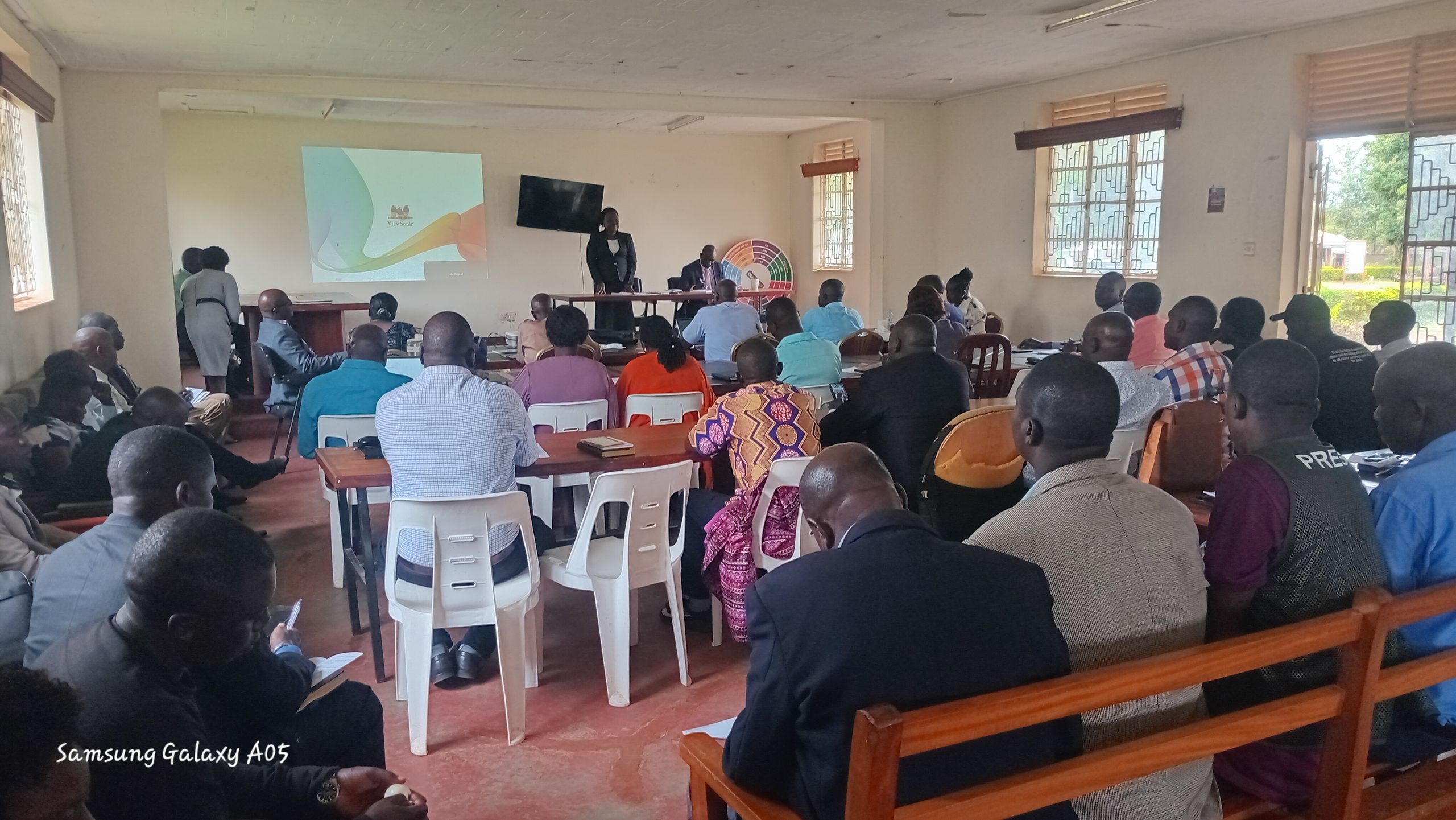
Akena made the remarks during a consultative meeting on the Acholi Regional Development Plan organised by the National Planning Authority at the Pader District headquarters.
He said the proposed development would provide an opportunity for visitors to learn about the region’s history while creating a platform to educate young people about the consequences of armed conflict.
He added that the site could become part of a broader strategy to identify and develop tourism opportunities across the district and the wider Acholi sub-region.
Akena said tourism should be considered alongside agriculture and human capital development when planning for the region’s economic recovery.
He also announced that Pader was preparing to host an Acholi cultural festival from October 12 to 14, coinciding with Pader Day.
According to Akena, the three-day event is expected to showcase Acholi culture, encourage cultural exchange and provide opportunities for discussions about the region’s identity and development.
He said neighbouring communities from Karamoja and Teso had also been approached to participate in activities promoting peace and cooperation.
Akena urged stakeholders involved in the regional planning process to consider the economic and cultural value of tourism as they identify priorities for development.
The consultation brought together district leaders, technical officials and other stakeholders to provide input into the draft Acholi Regional Development Plan.
Earlier, Joyce Anek Ongee, the Principal Assistant Secretary, said the consultations were intended to identify district-specific needs and ensure that local priorities were reflected in the final plan.