
 LUO FM
LUO FM
LUO FM
17 September 2026, 12:55 pm
By Geoffrey Okwong
Residents of Pader Sub-county have welcomed plans to establish a beef export facility in the area, saying the project could create employment, improve livestock production and open new economic opportunities for the community.
The facility is being planned under the Uganda Climate Smart Agricultural Transformation Project (UCSATP), with Pader selected to benefit from the livestock value-chain intervention aimed at increasing beef production and improving farmers’ access to markets.
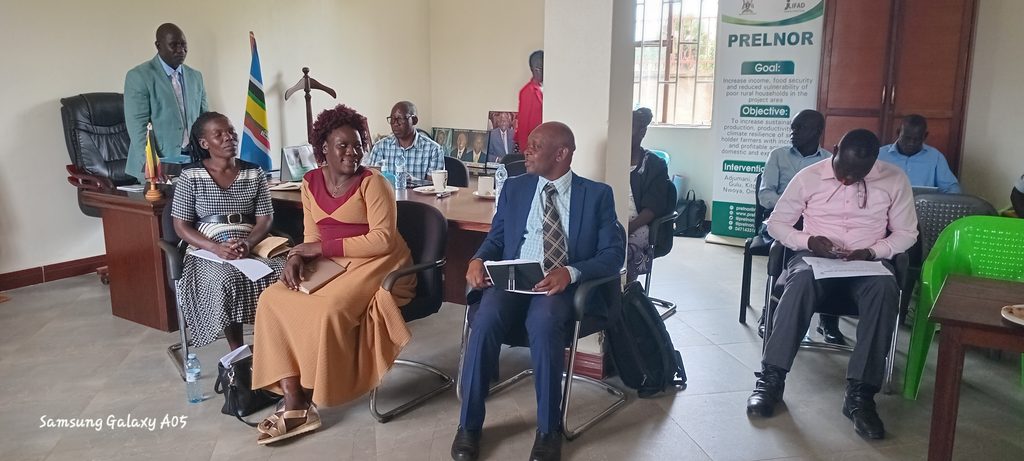
A team from the Ministry of Agriculture, Animal Industry and Fisheries (MAAIF), together with Pader District officials, first held a stakeholder engagement with district leaders at the office of the Pader District LCV Chairperson before proceeding to the proposed project area to meet residents and hear their views.
Pader District LCV Chairperson Alfred Akena said the district was ready to support the project, particularly through addressing land-related issues and ensuring that the facility delivers value to the community.
Akena said the planned livestock component should meet national standards and contribute to value addition and economic development in the district.
He urged the project implementers to move from planning to action while keeping district leaders informed about progress.
He also said the district was prepared to engage communities over land where necessary, noting that development should be approached through dialogue rather than confrontation.
Akena further called for opportunities created by the project to benefit young people and women in the area.
Pader Chief Administrative Officer Peter Gidongo Wasagami welcomed the intervention, saying UCSATP was among the projects expected to add value to communities and improve household livelihoods and incomes.
He said the district was participating in coordination and field monitoring of the project and was ready to support its implementation.
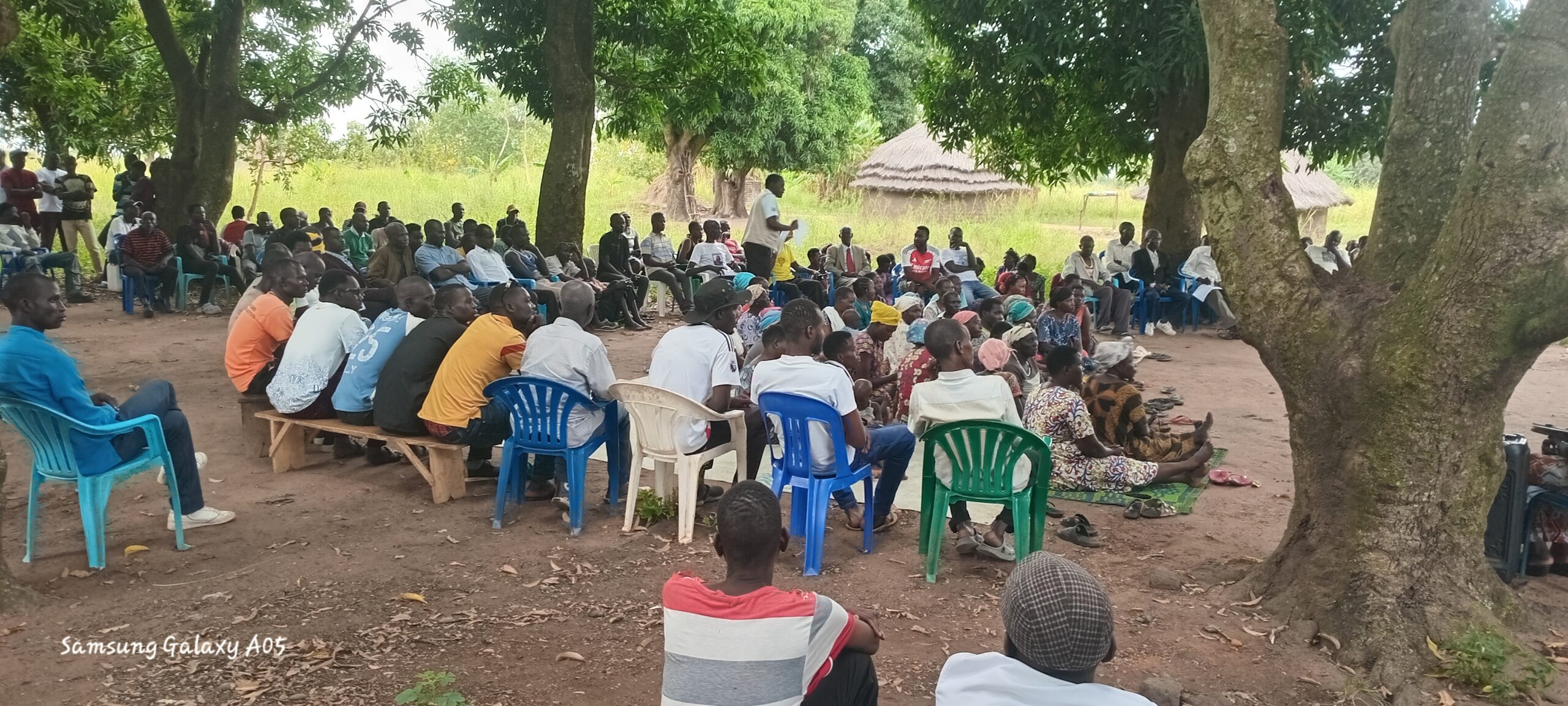
During the subsequent visit to the proposed project area, residents also expressed support for the planned facility, while calling for proper engagement over land and project boundaries.
Ray C. Okwir, a former councillor for Pader Sub-county and resident of the area, said the community could accommodate development if residents were properly consulted.
Okwir said there was considerable land in Pader for development projects, but stressed the importance of listening to communities before implementation.
Opira Pader, 52, a resident of Kilak Central A in Kilak Parish, welcomed the engagement and said residents had long associated the proposed area with livestock activities.
Opira said he had observed what he believed were traces of an old cattle holding area and a dam in the location.
He appealed for the dam to be enlarged to support the planned activities and said he was particularly interested in employment opportunities that could arise from the project.
Another resident, Rose Olega Atim, 66, of Ogwil Parish, recalled seeing livestock being moved through the area when she was a pupil at Lagile Primary School in 1969.
Atim said the historical use of the area for livestock activities made the proposed development welcome, but urged stakeholders to resolve any land disputes before construction begins.
She said the community should not allow the opportunity for development to slip away because of unresolved land issues.
Philip Otim, 25, said residents welcomed development but proposed that the project area be clearly surveyed and demarcated to prevent future disputes.
Otim suggested that the LCV Chairperson and other leaders take the lead in resolving any boundary concerns with residents.
Explaining the proposed facility, Dr. Higenyi James, Principal Veterinary Officer at MAAIF, said Pader was selected under UCSATP to host an export facility intended to strengthen market access for beef produced in the country.
Higenyi said increasing the number and productivity of beef animals would only benefit farmers if there was a reliable market for the animals and their meat.
The proposed facility will include a slaughter section, a pre-quarantine holding ground and a quarantine facility.
He explained that animals brought to the facility would first undergo health screening, including blood testing, before being taken through quarantine and conditioning ahead of slaughter and sale.
According to Higenyi, the system is intended to improve animal health, feeding and the quality of beef supplied to the market.
He said farmers participating in eligible project investments would receive an 80 per cent government subsidy, while beneficiaries would contribute the remaining 20 per cent.
Using an example of an animal or eligible investment worth Shs10 million, Higenyi said government support could amount to Shs8 million, with the beneficiary contributing Shs2 million.
He encouraged farmers to consider mobilising their contribution and investing in improved livestock production so they can take advantage of the emerging market.
Seydou Adolatona Opoka, Pader District Production Officer and UCSATP focal person, said the livestock value chain under the project is targeting 30 farmer groups in the district.
He said the 80:20 government-beneficiary contribution arrangement is being implemented, with farmer-group wallets or accounts being established to facilitate access to project support.
Opoka said implementation was progressing and the district was preparing farmers to take advantage of the opportunities created by the project.
The proposed beef export facility is expected to strengthen Pader’s livestock value chain by linking increased production with processing and market access, while creating opportunities for farmers and other community members to participate in the emerging livestock economy.