
 LUO FM
LUO FM
LUO FM
7 October 2026, 8:43 pm
By Geoffrey Okwong
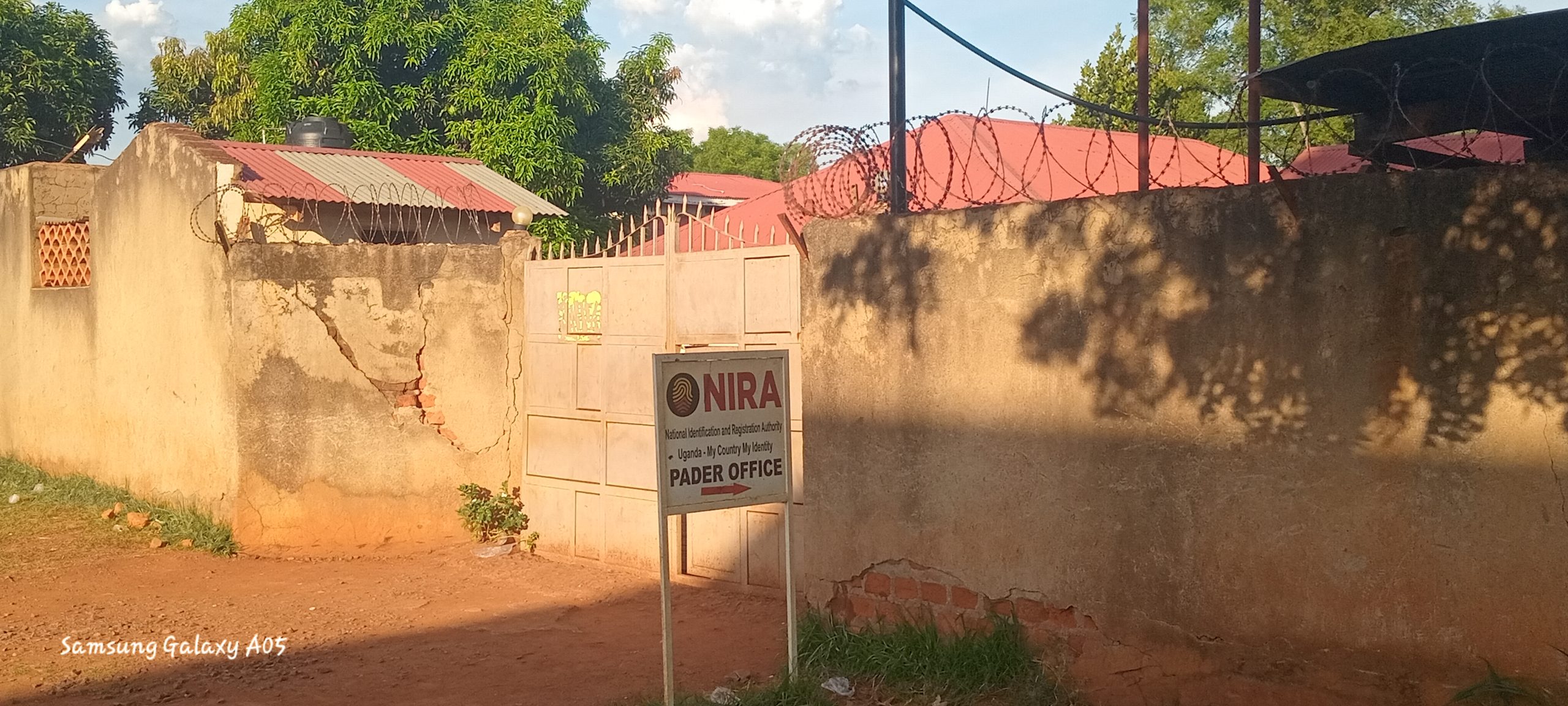
Limited funding is affecting the ability of the National Identification and Registration Authority (NIRA) to regularly take registration and national identification services to communities across Pader District.
Denis Niwamanya, the NIRA District Registration Officer for Pader, said the authority normally conducts field operations through projects that can run for about three months or longer, but the availability of funds determines how often teams can travel to communities.
He said Pader’s large geographical area makes field operations difficult when money for transport and other activities is unavailable, adding that staff cannot be expected to finance official field movements from their personal resources.
Niwamanya was speaking on Radio Luo’s Ruu Pa Piny programme on Wednesday, October 7, 2026.
He said NIRA would like to maintain a presence in every parish and sub-county, recalling that during the recent national ID renewal exercise, registration teams were deployed widely across communities.
However, he said the authority currently cannot maintain that level of field presence everywhere because of funding limitations.
Niwamanya explained that district registration officers report operational challenges through the NIRA management structure, with concerns eventually reaching the Executive Director.
He said NIRA’s leadership is aware of the challenges and that limited resources are sometimes made available to support small field operations, although they cannot cover every part of the district.
He added that NIRA works closely with local leaders during field operations, including the LC5, Resident District Commissioner, LC3 chairpersons and councillors.
According to Niwamanya, local leaders sometimes contact his office when communities are not being reached by registration teams or when residents have urgent identification needs.
He said NIRA would continue going to the field whenever resources become available, but encouraged residents not to wait indefinitely for mobile teams.
“When we get the chance, we shall always go to the field,” Niwamanya said, while also urging residents to visit the NIRA office and seek services whenever field teams are not available.
He encouraged residents to make use of NIRA teams whenever they see them operating in their communities, including collecting national identity cards that have already been returned to field registration points and registering children who have not yet been enrolled.
Niwamanya said improved cooperation between NIRA, local leaders and communities could help close the gap in access to identification services, particularly for residents who have difficulty travelling to the district headquarters.