
 LUO FM
12 November 2026, 2:51 pm
By David Ojok JR
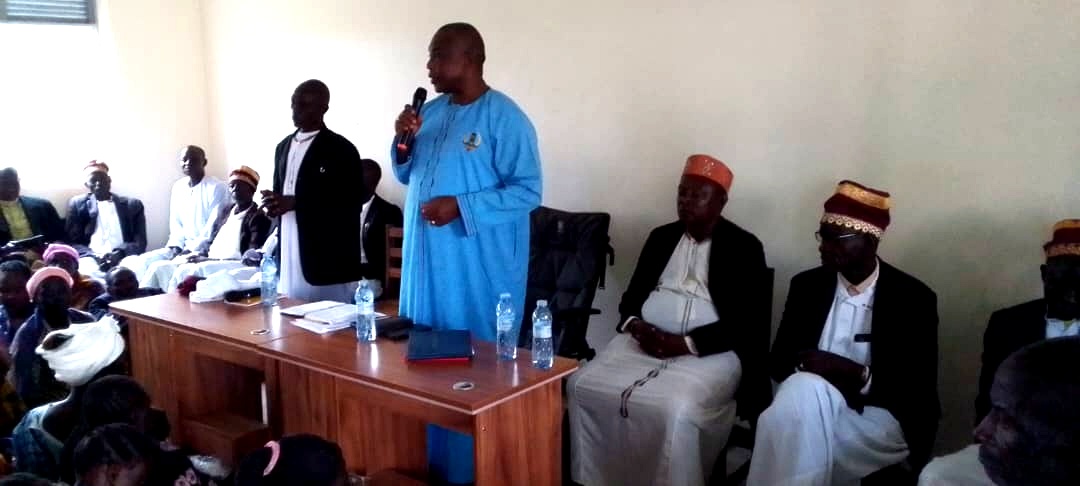
The Paramount Chief of the Acholi Cultural Institution, Rwot Onen Acana David, is in a 3-day visit of communities in Agago District, seeking to reconnect with his subjects and listen to their concerns amid persistent challenges ranging from cattle rustling and human-wildlife conflict to land disputes and historical grievances.
He visited Lai Mutu Town Council, on 10th November 2026, and later visited Omiya pachua subcounty bringing in attendance, local leaders, clan heads, traditional chiefs, elders and community members who are using the opportunity to present concerns they say have affected their livelihoods for several years.
In his address, the Chairperson of Lai Mutu Town Council, Hon. Denis Komakech, appealed to the Paramount Chief to follow up on compensation for crops destroyed by wild animals, arguing that human-wildlife conflict has affected virtually every household in the area.
Komakech said the destruction of gardens by wild animals has undermined household food production and worsened the economic situation of residents, many of whom depend on agriculture for survival.
Meanwhile, the Lai Mutu Town Council Councillor V, Hon. Kayanja Yamokolo Zanzibar, raised concerns over the unresolved historical matter involving Rwot Lakidi and Rwot Ariyo of the Parumu Clan, who were allegedly killed in the 1980s.
He said there had been calls for the exhumation of their remains and their eventual return for proper cultural and traditional burial rites.
According to Kayanja, the matter has already reached the Office of the President, but he appealed to Rwot Onen Acana David to renew engagement with the relevant authorities and help expedite the process.
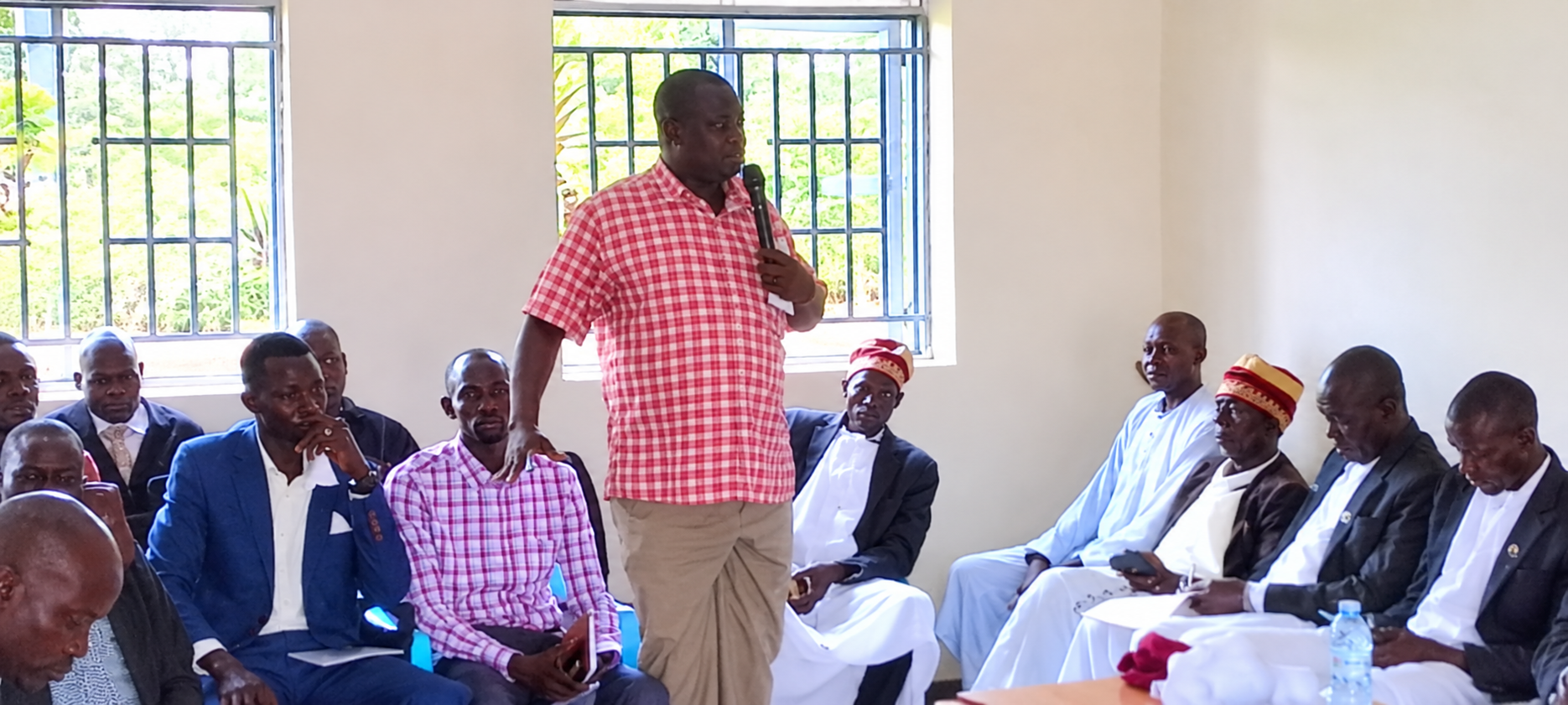
In his response, the Acholi Paramount Chief pledged to follow up on the concerns raised during the engagement and present the community’s grievances to the relevant authorities for further consideration and possible intervention. He also urged residents to safeguard their ancestral land, cautioning against selling it for short-term financial benefits and personal luxuries.
Rwot Acana said land remains a critical cultural and economic asset for present and future generations, warning communities against making decisions that could leave their descendants without a place to call home.
Agago District, alongside neighbouring Kitgum, has continued to experience the effects of insecurity linked to death, rape and cattle raids allegedly carried out by Karamojong warriors, human-wildlife conflict, destruction of crops, land disputes and other social challenges that have contributed to poverty and food insecurity among affected households.
Several interventions have been pursued by local leaders and government agencies, including engagements with the Uganda Wildlife Authority (UWA) and the central government, in search of sustainable solutions.
Last month, Agago District LC V Chairperson, Hon. Otto Wilson, engaged with officials at Kidepo conservation area before again leading a delegation to the Uganda Wildlife Authority headquarters in Entebbe to discuss the escalating human-wildlife conflict and explore possible interventions.
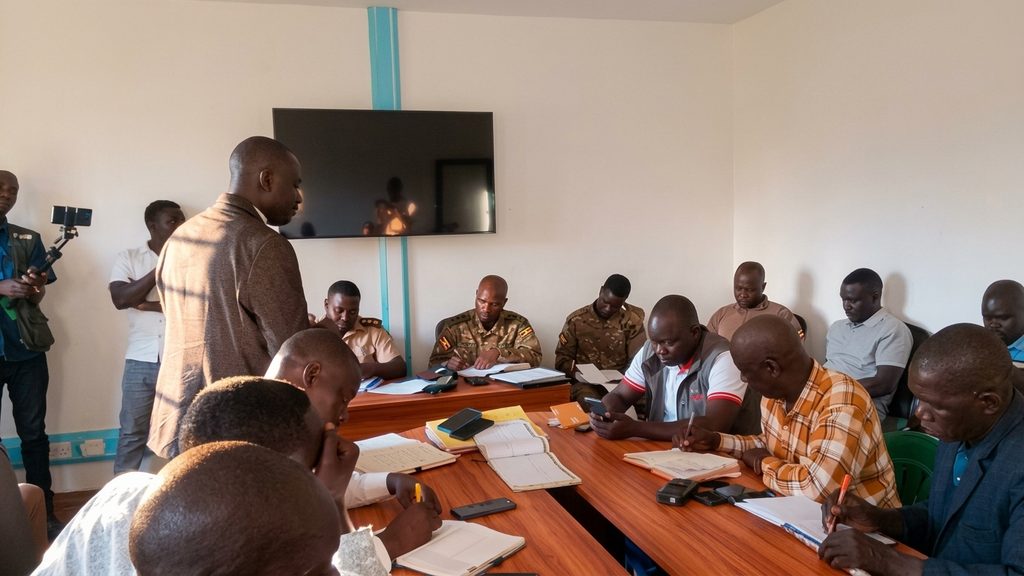
The engagement resulted in key resolutions and proposed interventions aimed at addressing the concerns of affected communities.
For many residents, the visit by the Acholi Paramount Chief presents an opportunity to have their concerns heard at the highest level of traditional leadership. The challenge now remains whether the concerns raised will translate into concrete action through sustained engagement with government and other responsible institutions.