
 LUO FM
LUO FM
LUO FM
31 August 2026, 9:18 am
By Geoffrey Okwong
Pader District is set to strengthen climate-smart agricultural extension services after receiving 61.5 million shillings in operational resources under the Uganda Climate Smart Agricultural Transformation Project, supported by the World Bank.
The project is being implemented by the Ministry of Agriculture, Animal Industry and Fisheries and is intended to strengthen agricultural services from the district to parish level, while helping farmers build resilience to the effects of changing climate and weather conditions.
According to the district report, Pader is among 69 local governments that received the operational funding, with the district allocated 61,575,141 shillings for implementation of project activities.
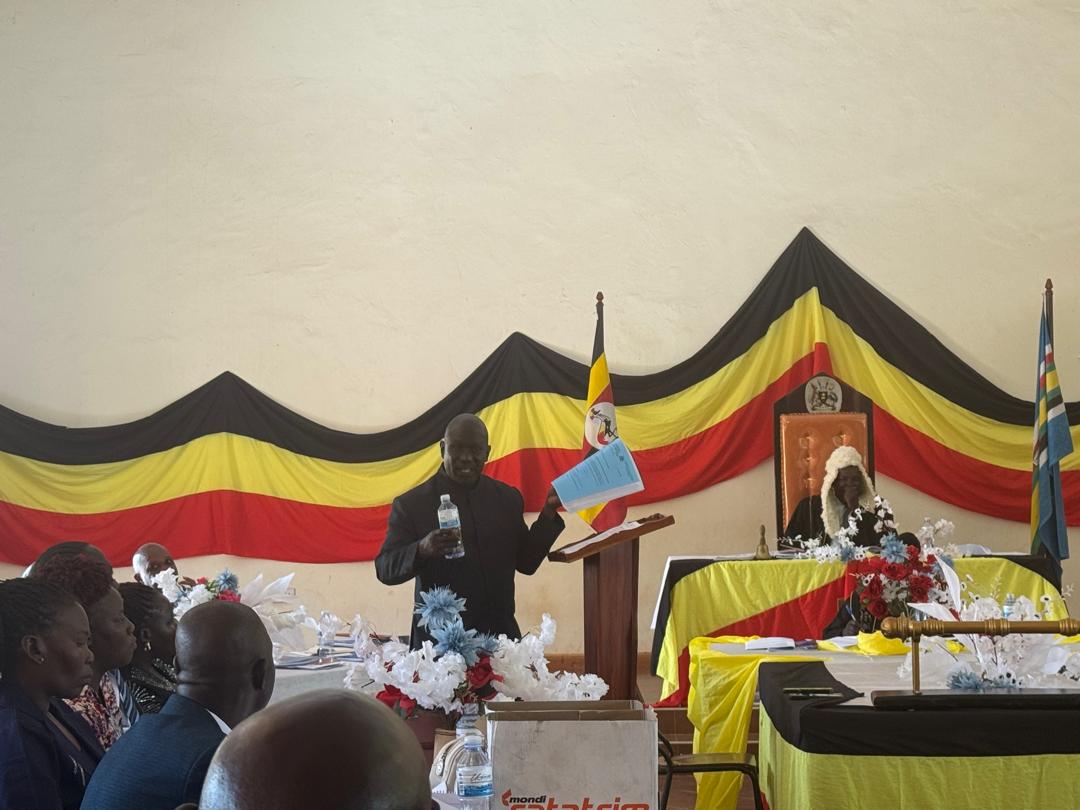
Speaking during the full council meeting at the Pader District headquarters council hall, LCV Chairperson Alfred Akena said the project is expected to improve agricultural extension services and strengthen support to farmers.
Akena said about 10 motorcycles are expected to be provided to support extension workers in reaching farmers in different communities.
He said improved mobility, together with operational funding for fuel, farmer training and other field activities, would enable extension workers to move closer to farming communities.
This, he said, is particularly important as farmers face challenges associated with changing weather patterns, including unreliable rainfall and prolonged dry spells.
However, concerns were also raised during the meeting over the procurement of service providers involved in supporting farmer groups under agricultural programmes.
Pader District Production Officer Seydou Adolatona Opoka explained that the programmes are community-based and that farmer groups are involved in selecting their service providers.
Opoka said the executive of each farmer group, comprising three members, is responsible for choosing the service provider rather than the production department directly imposing providers on the groups.
He, however, noted that there are currently only about four or five service providers serving the many farmer groups formed under the programme, creating potential challenges when several groups require services at the same time.
Opoka urged farmer groups to begin the procurement process early to avoid delays, warning that delays in procurement and communication could affect the implementation of agricultural activities.
He emphasised the importance of timely coordination between farmer groups, service providers and district officials so that the intended agricultural interventions are implemented on time.
Akena also urged the district to ensure that the 61.5 million shillings is used for its intended agricultural operations and farmer support.
He said the funds should not be diverted to unrelated activities, although minor access challenges affecting extension workers could be addressed where necessary.
The LCV Chairperson cited small drainage points and poor access routes that sometimes prevent vehicles from reaching farming communities, saying addressing such bottlenecks could improve extension workers’ access to farmers.
The district report indicates that the funding represents the third-quarter allocation for the 2025/2026 financial year, processed towards the close of the financial year.
The implementation of the Climate Smart Agricultural Transformation Project is expected to strengthen agricultural services at community level, enabling farmers to improve production while adopting practices that can help them cope with increasing climate-related challenges.