
 LUO FM
LUO FM
LUO FM
24 August 2026, 7:21 am
By Geoffrey Okwong
Farmers in Pader District have been urged to embrace the 20 percent co-funding requirement under the Uganda Climate Smart Agriculture Transformation Project, with the district production office saying farmer ownership is key to the success and sustainability of the programme.
Seydou Adolatona Opoka, the Pader District Production Officer, said the project is a government initiative funded by the World Bank and is intended to support farmers to adopt climate-smart agricultural practices while improving household incomes and resilience to climate change.
Opoka said the 20 percent co-funding requirement is intended to promote ownership and ensure that farmers actively participate in the implementation and sustainability of the supported projects.
He urged beneficiary groups to honour their contribution obligations and take responsibility for the agricultural activities supported under the programme.
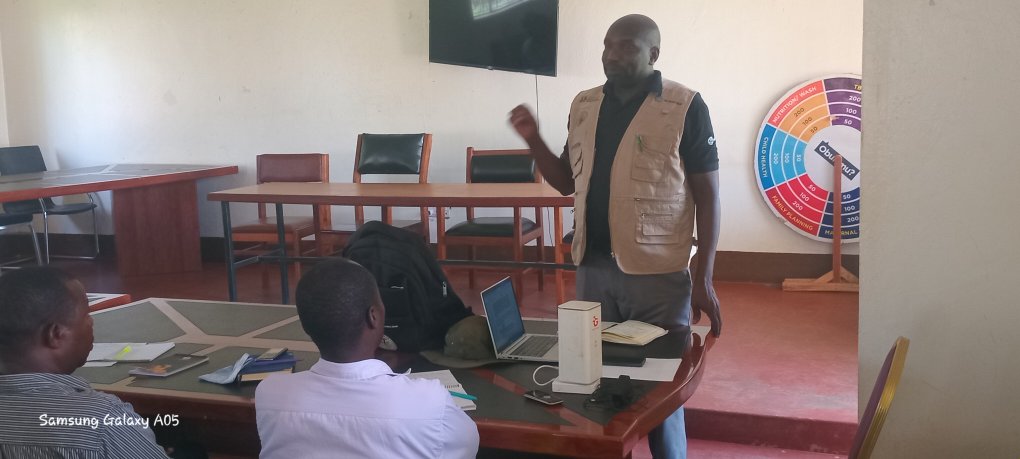
One of the beneficiary groups implementing the project is Cac Pe Lonyo, located in Bongtiko Village, Wang Lobo Parish, Bongtiko Subcounty.
Denis Kilama, the group’s General Secretary, said Cac Pe Lonyo has 48 members and has been operating for the last five years.
Kilama said under the Smart Agriculture project, beneficiary groups are required to have between 20 and 30 members, resulting in 30 members being selected from the 48 to participate in the project.
He said the selected members chose soya bean growing as their project initiative and contributed 20 percent towards the required co-funding.
Kilama said each participating member contributed UGX 164,200, while the group contributed a total of UGX 821,000 towards co-funding the agricultural project.
He said each farmer was given 60 kilograms of soya bean seed to cultivate separately on their individual farms, with approximately two acres of land being utilised by each farmer.
Kilama said the arrangement has enabled the farmers to take responsibility for their own production while benefiting from support under the Climate Smart Agriculture project.
He added that the farmers’ participation and contribution are important in ensuring ownership and sustainability of the agricultural project.
Climate-smart agriculture, commonly known as CSA, is an integrated approach that helps food systems adapt to climate change while improving productivity and resilience.