
 LUO FM
LUO FM
LUO FM
4 July 2026, 1:48 pm
By Geoffrey Okwong
Schoolchildren in Pader District have called for tougher action against parents who deliberately deny their children access to education, saying parental negligence remains one of the leading causes of school dropout in the district.
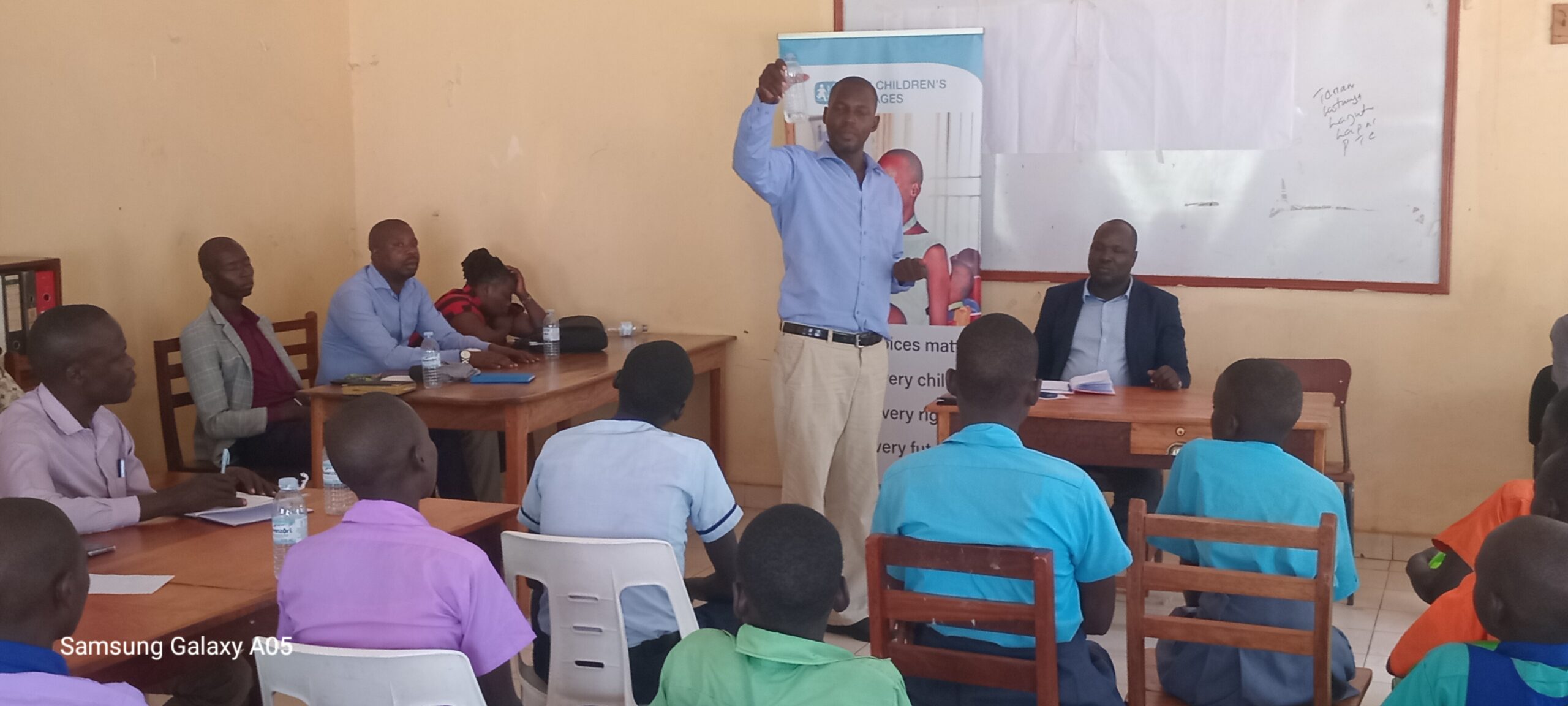
The appeal was made during the Children’s Parliament organised by SOS Children’s Villages Uganda in partnership with Pader District Local Government, where learners from primary and secondary schools debated the causes of school dropout and presented recommendations to district leaders on improving school retention.
During the session, learners identified parental neglect, insecurity, poor infrastructure, child abuse and harmful social practices as major barriers preventing many children from completing their education.
Emmanuel Rwotomiya, a pupil of Pageari Primary School, urged authorities to take legal action against parents who deliberately fail to enroll or support their children’s education. He also called for the arrest of individuals who vandalise and steal school property, saying such acts undermine the learning environment.
Rwotomiya further appealed for intensified community sensitisation on the value of education, adding that poor road networks and persistent lateness by both teachers and learners also contribute to school dropout.
Peter Oboke of Olambyera Primary School in Pukor Sub-county attributed school dropout to the defilement of girls by older men, parental neglect, limited awareness about the importance of education, and weak follow-up by Local Council leaders on children who fail to attend school.
Ajalo Prisca of Dagodwong Primary School in Pukor Sub-county blamed parental alcoholism, abusive language in homes and failure to meet school costs for discouraging many children from remaining in school.
Responding to the learners’ concerns, Senior Probation and Social Welfare Officer Okech David Odwong urged children to respect their parents and other responsible adults, saying guidance from families and communities remains critical in shaping responsible citizens.
Using a practical demonstration, Odwong poured soil into a bottle of clean water to illustrate how children’s minds can gradually become corrupted when they ignore positive guidance and instead follow negative influences.
Odwong also clarified misconceptions surrounding child labour, explaining that not every household chore amounts to exploitation.
He said children helping parents with age-appropriate domestic or garden work should not automatically be regarded as child labour.
He stressed that discipline and respect remain essential in raising responsible citizens and expressed concern that increasing family breakdowns have weakened parenting structures, contributing to school dropout and poor child upbringing.
Assistant District Education Officer Filder Lalam commended SOS Children’s Villages Uganda for complementing government efforts through teacher capacity building, environmental conservation initiatives and community programmes that promote children’s welfare.
She, however, warned that school dropout remains a serious challenge across Pader District despite ongoing interventions by government and development partners.
Lalam said improving education requires a shared commitment from teachers, parents, learners and the wider community.
She described the Children’s Parliament as an important platform that allows learners to openly discuss issues affecting their education and wellbeing, urging SOS Children’s Villages Uganda to sustain the initiative.
Lalam also appealed to the Office of the District Speaker to review and strengthen the district’s 2011 Education Ordinance to ensure its effective enforcement.
She said stronger implementation would compel parents to keep their children in school until they complete Primary Seven before joining vocational or skills training institutions.
She further proposed that members of the Children’s Parliament periodically attend district council sessions to observe legislative proceedings, saying such exposure would nurture leadership, confidence and public speaking skills among young people.
The Children’s Parliament concluded with district leaders pledging to strengthen community sensitisation, child protection systems and enforcement of education laws to improve school attendance and ensure more children complete their education.