
 LUO FM
LUO FM
LUO FM
14 August 2026, 5:46 pm
By Geoffrey Okwong
Pader District is set to benefit from a US$7.5 million project aimed at improving access to clean water, strengthening climate resilience and promoting sustainable livelihoods in communities within Uganda’s cattle corridor.
The Fostering Water Security and Catchment Resilience in Uganda’s Cattle Corridor project is funded by the Global Environment Facility and implemented by the Ministry of Water and Environment in partnership with the Africa Innovations Institute.
The project is currently in its pilot stage in five districts—Pader, Kitgum, Kole, Mityana and Rakai.
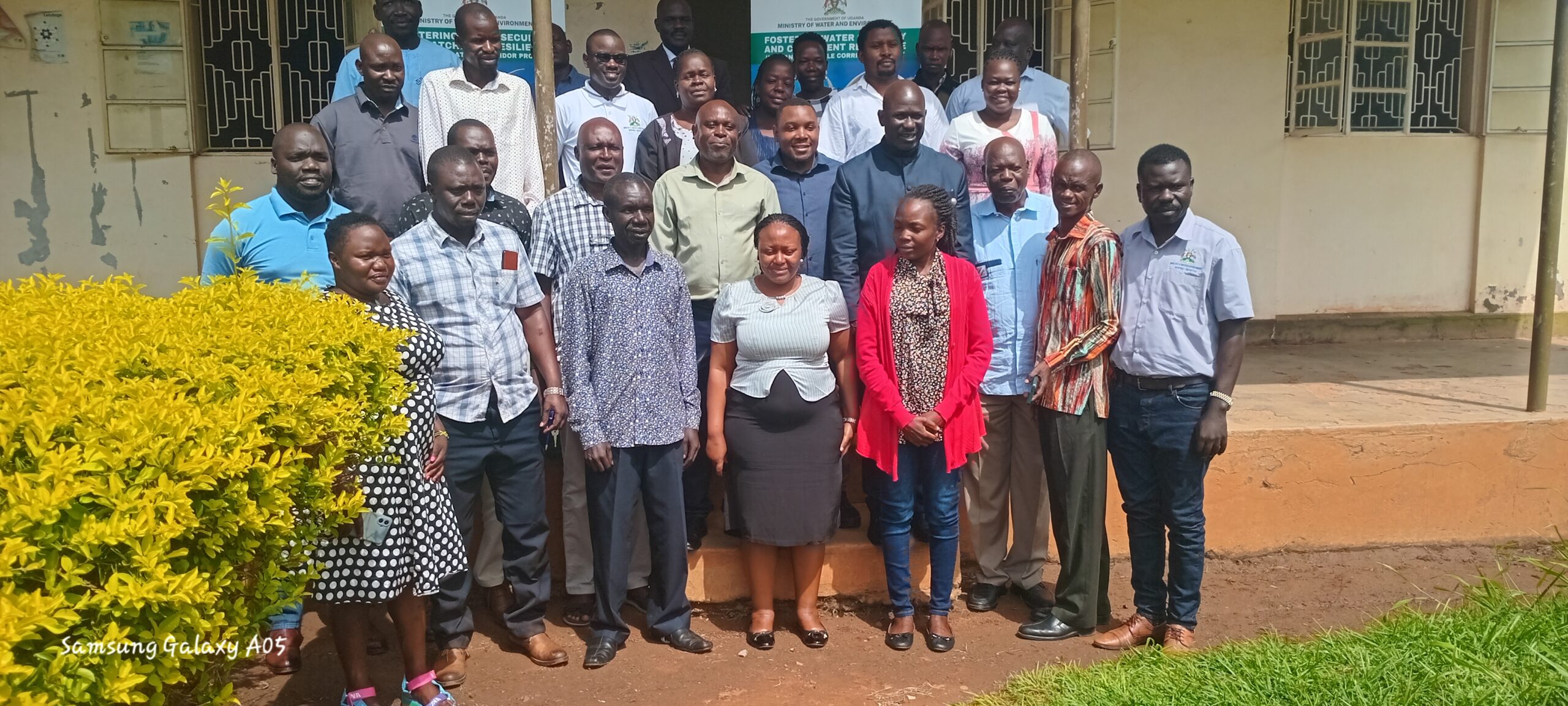
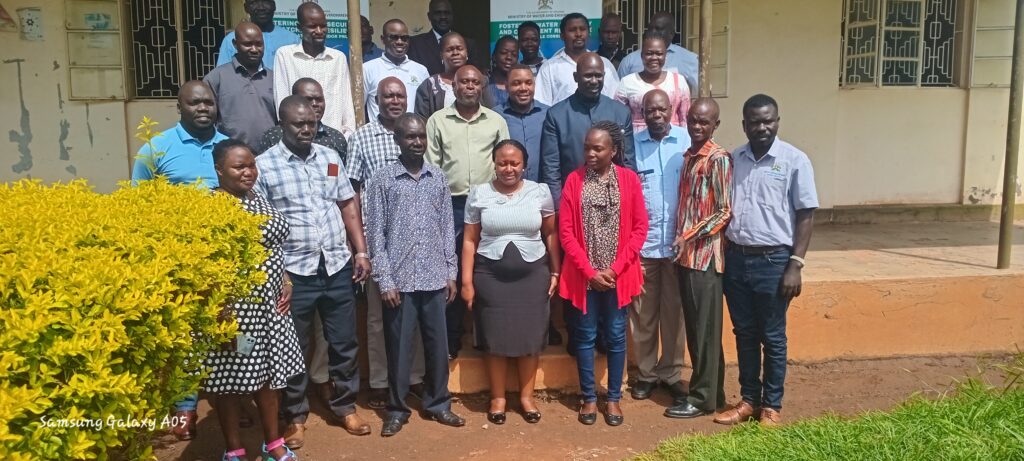
Speaking during an introductory meeting with Pader District leaders and technical officials, Elizabeth Ahumuza, the project’s Technical Lead, said the five-year initiative will take an integrated approach to addressing water, climate and livelihood challenges facing communities.
Ahumuza said the project will improve access to clean and safe water for domestic use and agricultural production, while supporting sustainable livelihoods and income-generating activities.
She said Pader is expected to benefit from infrastructure such as water tanks, solar-powered boreholes and micro-irrigation systems.
The project’s National Focal Person, Joseph Lule, a Principal Economist at the Ministry of Water and Environment, said planned interventions in Pader include a borehole and piped water system in Pajule, as well as a water tank and irrigation system in Latanya.
Lule said the Latanya water facility will also include livestock watering points to enable both communities and animals to access water.
He said the project will also support the repair of existing boreholes and promote motorised water systems that can pump water into reservoirs and distribute it to more people.
Lule said the interventions are intended to reduce the distance and time spent fetching water, particularly by women and children.
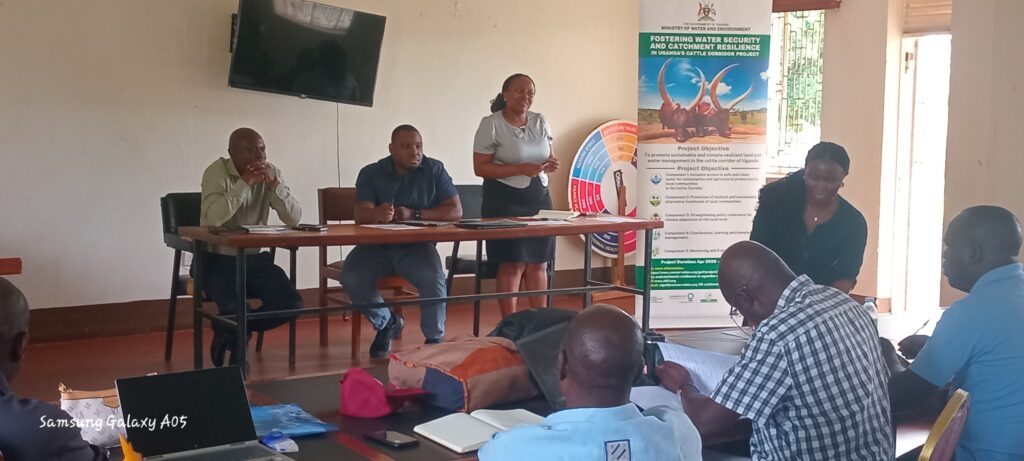
Pader District LCV Chairperson Alfred Akena welcomed the project, saying the district is ready to support its implementation and mobilise communities to participate.
Akena said Pader needs more water not only for domestic consumption but also for agricultural production, arguing that the district has water resources that remain largely underutilised due to limited infrastructure and capacity.
He called for greater investment in irrigation and multipurpose water systems to help farmers increase agricultural production and adapt to the effects of climate change.
Akena also urged the project team to work closely with district leaders and communities when identifying areas for investment, saying local leaders understand the challenges faced by residents.
He called for water investments to be expanded wherever capacity allows, so that neighbouring communities can also benefit rather than limiting water access to individual beneficiaries.
Meanwhile, Justine Ocen, the Latanya Sub-county Councillor V, said the project comes at a critical time when changing weather patterns are making it increasingly difficult for farmers to rely on traditional farming seasons.
Ocen said communities previously relied on predictable rainfall patterns to determine when to prepare gardens and plant crops, but prolonged dry spells are now disrupting agricultural activities.
He said the recent dry spell affected the region, with some farmers only beginning to plant after the rains arrived.
Ocen said improved access to water could help communities cope with changing climatic conditions and sustain agricultural production.
He pledged to work with other leaders in Latanya and the district to mobilise communities and support the project team during implementation.
Ocen also called for continued engagement with local leaders and communities at sub-county level so that residents understand the project and can raise concerns before implementation.
He said effective communication will be important, particularly where project activities involve land and other community resources, to prevent misunderstandings.
Ahumuza said project teams will assess proposed sites with communities to confirm existing needs and establish whether residents are willing to support the interventions before investments are made.
She said communities will also be involved in determining the livelihood activities they need support with, rather than having projects imposed on them.
Possible interventions could include beekeeping, small livestock production, livestock disease prevention and breed improvement, depending on the needs identified by communities.
The project will also introduce conservation agreements under which communities will commit to specific conservation actions in return for agreed benefit packages.
Lule said conservation around water infrastructure will include tree planting and ecosystem restoration to protect water sources and improve their sustainability.
The project will further support Pader District in integrating climate adaptation into its development plans, policies and strategies.
Lule said the five-district pilot is expected to generate lessons that will guide a larger programme targeting 26 districts, which will be supported by the Green Climate Fund.
He said the Government wants the pilot to demonstrate significant improvements in water security, livelihoods, conservation and communities’ ability to cope with the effects of climate change.