
 LUO FM
11 November 2026, 4:00 pm
By Geoffrey Okwong
SOS Children’s Villages Uganda is promoting fruit tree planting as a long-term intervention to improve children’s nutrition and address food shortages affecting families and schools in Pader District.
The organisation says fruit trees planted in communities and schools could provide children with nutritious food in the coming years, particularly in primary schools where regular school feeding programmes are unavailable.
Stephen Tabu, the Area Programmes Manager for SOS Children’s Villages Uganda in Gulu, said the initiative was intended to ensure that children have access to fruits such as jackfruit, mangoes and oranges, which provide essential vitamins for their growth and health.
Tabu said the organisation expected schools receiving the seedlings to protect and maintain the trees so that pupils could benefit from the fruits once they mature.
He called on local leaders, teachers and school management committees to take responsibility for protecting the trees and ensuring their survival.
Brenda Adong, Programmes Manager at SOS Children’s Villages Uganda, said the organisation was concerned about hunger among families and schoolchildren, noting that some children miss school because of a lack of food.
Adong said the fruit tree initiative was expected to contribute to addressing hunger and malnutrition by providing families and children with access to nutritious fruits once the trees begin producing.
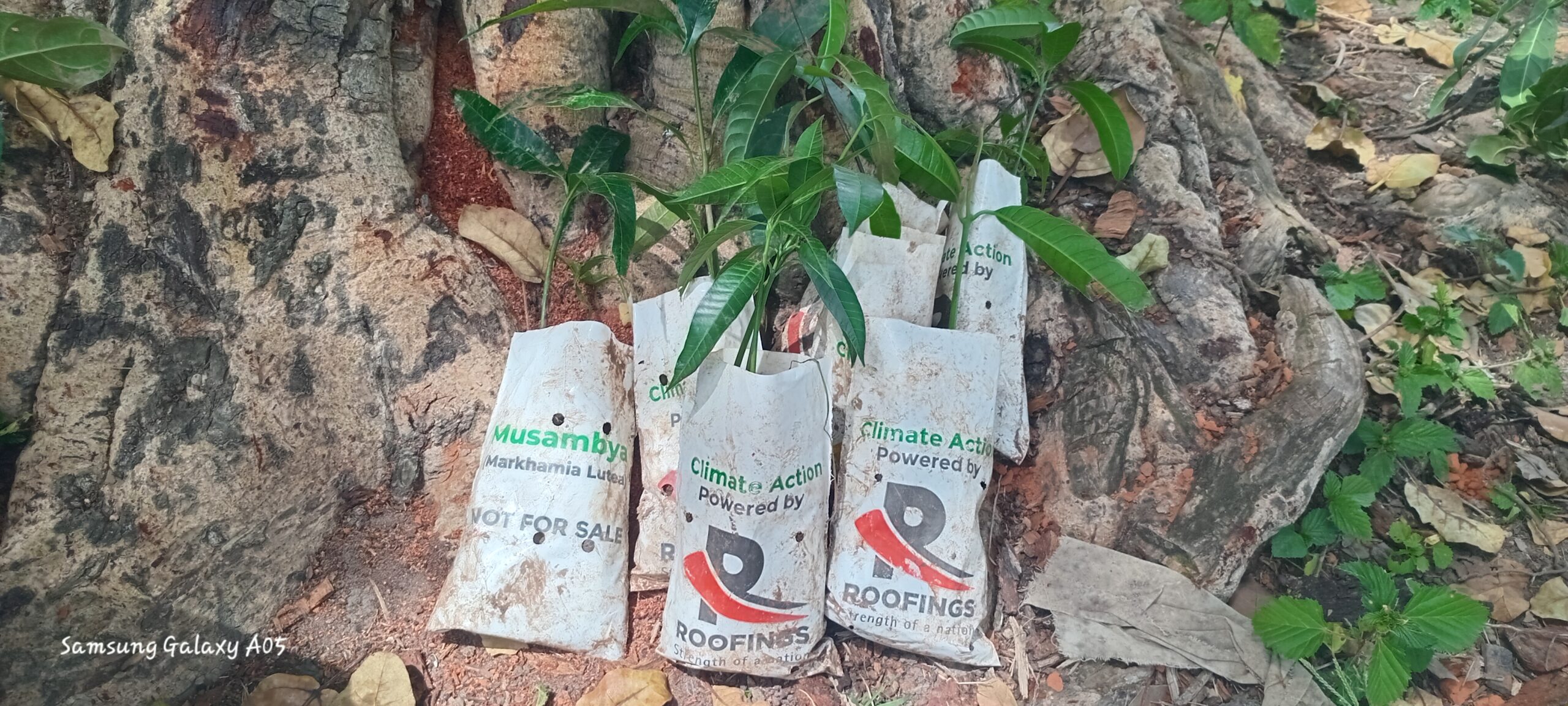
She appreciated Roofings Uganda for donating 2,000 seedlings to support the intervention, saying the contribution would help SOS reach more families and communities.
Pader District Forestry Officer Martin Okello said the success of the initiative would depend on how well the beneficiaries manage and protect the seedlings during their early stages of growth.
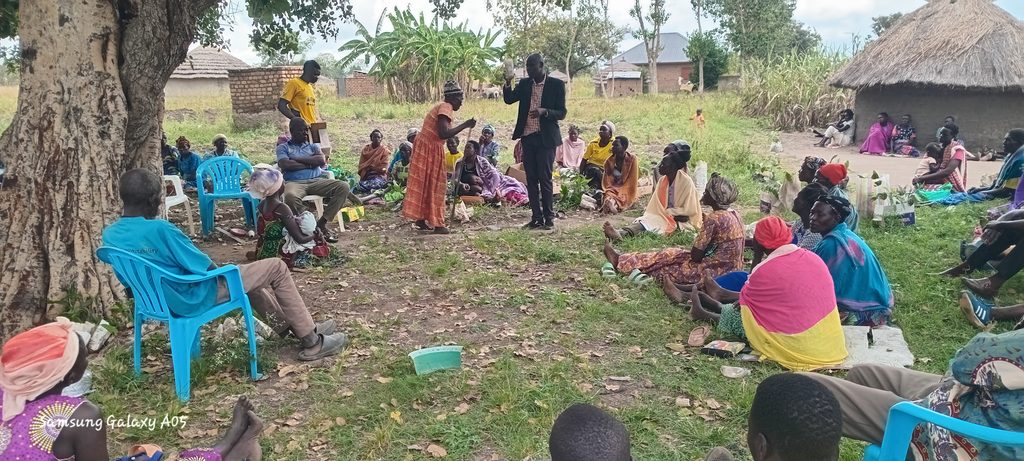
Okello said community members had been trained in soil preparation, proper spacing, watering and other tree management practices to improve seedling survival.
He recommended a spacing of 10 metres by 10 metres for mango and jackfruit trees and urged beneficiaries to plant them near their homes or in places where they could easily be monitored.
He said well-managed jackfruit trees could begin producing fruits after about four years, while mango trees could take approximately five to six years.
The potential household benefits were also highlighted by Esther Akidi, 59, a beneficiary from Lapina Buru Opuk Village in Kineni Parish, who said the six seedlings she received could eventually provide food for her children and reduce the family’s food expenses.
Akidi said she also hoped to sell some of the fruits when the trees mature and use the proceeds to support her children’s education.
The initiative forms part of SOS Children’s Villages Uganda’s wider efforts to strengthen family welfare, improve children’s access to nutritious food and promote environmental conservation.