
 LUO FM
LUO FM
LUO FM
26 September 2026, 8:53 am
Pader District has set a target of vaccinating 100 percent of eligible children during the nationwide measles and rubella vaccination campaign scheduled for October 1–5, 2026.
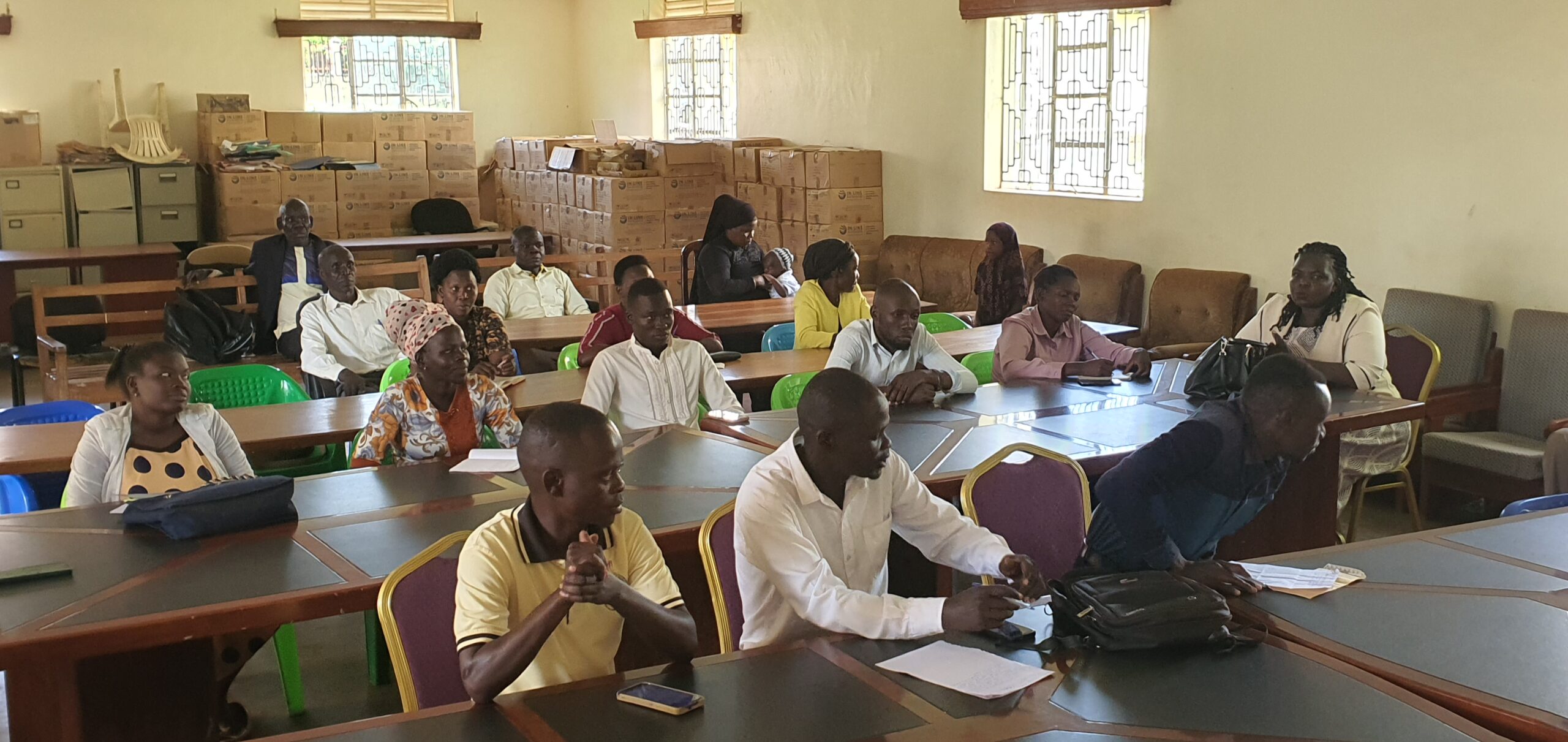
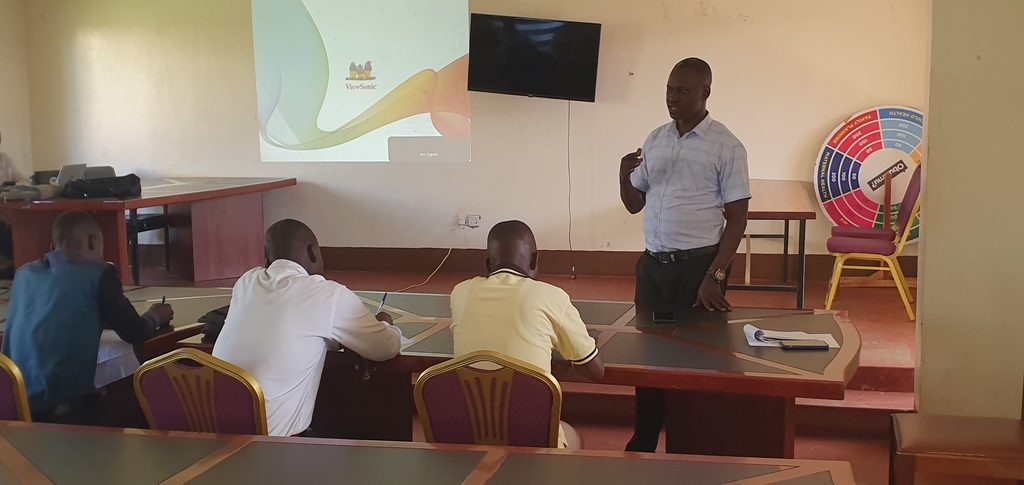
The target was announced on Wednesday, September 23, during a stakeholder meeting held at the Pader District Health Boardroom, where health and education officials briefed teachers from private schools on the upcoming campaign.
The campaign will target all children aged six months to 59 months, regardless of their previous measles and rubella vaccination status.
Francis Olwoch, the Pader District Education Officer, urged teachers to intensify mobilisation and ensure parents and guardians understand the importance of having eligible children vaccinated.
He said Pader had set its target above the national standard of 95 percent coverage, with district officials agreeing to aim for 100 percent.
Olwoch said the campaign will also seek to reach eligible children travelling through the district, including those using buses along major highways.
Ronald Okot, the Pader District Health Inspector, said schools will be used as temporary vaccination posts during the five-day campaign.
He said health workers will visit schools and vaccinate eligible children between 8 a.m. and 3 p.m., before moving into communities to reach children who are not attending school.
He explained that vaccination teams will use fixed posts at health facilities, temporary posts in schools and mobile posts to reach communities and schools located far from health facilities.
Okot said schools are expected to be covered within the first two days of the campaign, October 1 and 2, with teams using updated enrolment records to identify eligible children.
He said children will be vaccinated class by class to reduce the risk of missing eligible learners.
The campaign will be non-selective, meaning all children within the target age group will receive the measles-rubella vaccine regardless of whether they have previously been vaccinated.
Okot said the campaign follows a measles outbreak that affected Pader and other parts of Uganda last year.
He said Pader was declared to have a measles outbreak on October 25, 2025, after confirmed cases were reported in Awera and later in Burana before spreading to other parts of the district.
According to Okot, health authorities mounted interventions, including immunization, but did not reach the entire target population.
He said some cases resulted in deaths and that the outbreak was also reported in about 55 districts across Uganda.
District Health Officer Dr Benson Oyoo said the October campaign is part of a national government programme aimed at preventing measles and rubella among young children.
Oyoo urged private and government schools to cooperate with health teams and make eligible children available for vaccination.
He warned that school administrators who deliberately deny health workers access to eligible children could face enforcement action.
Oyoo also said a laboratory-confirmed measles case in a school could result in temporary closure because of the disease’s rapid spread.
The officials urged teachers attending the meeting to share the information with colleagues and schools that were not represented.
Olwoch said the district had drawn participants from different sub-counties but expected them to pass the information to other schools to ensure that no eligible child is missed.
Teachers will also be expected to support health workers in organizing children and using school registers to track those vaccinated.
Okot said vaccination cards will be issued to vaccinated children as a record of the exercise, while supervisors will provide schools with movement plans indicating when health teams are expected to arrive.
The campaign will cover government and private schools, private health facilities and communities, with mobile teams deployed to hard-to-reach areas.