
 LUO FM
LUO FM
LUO FM
13 October 2026, 7:40 pm
By Geoffrey Okwong
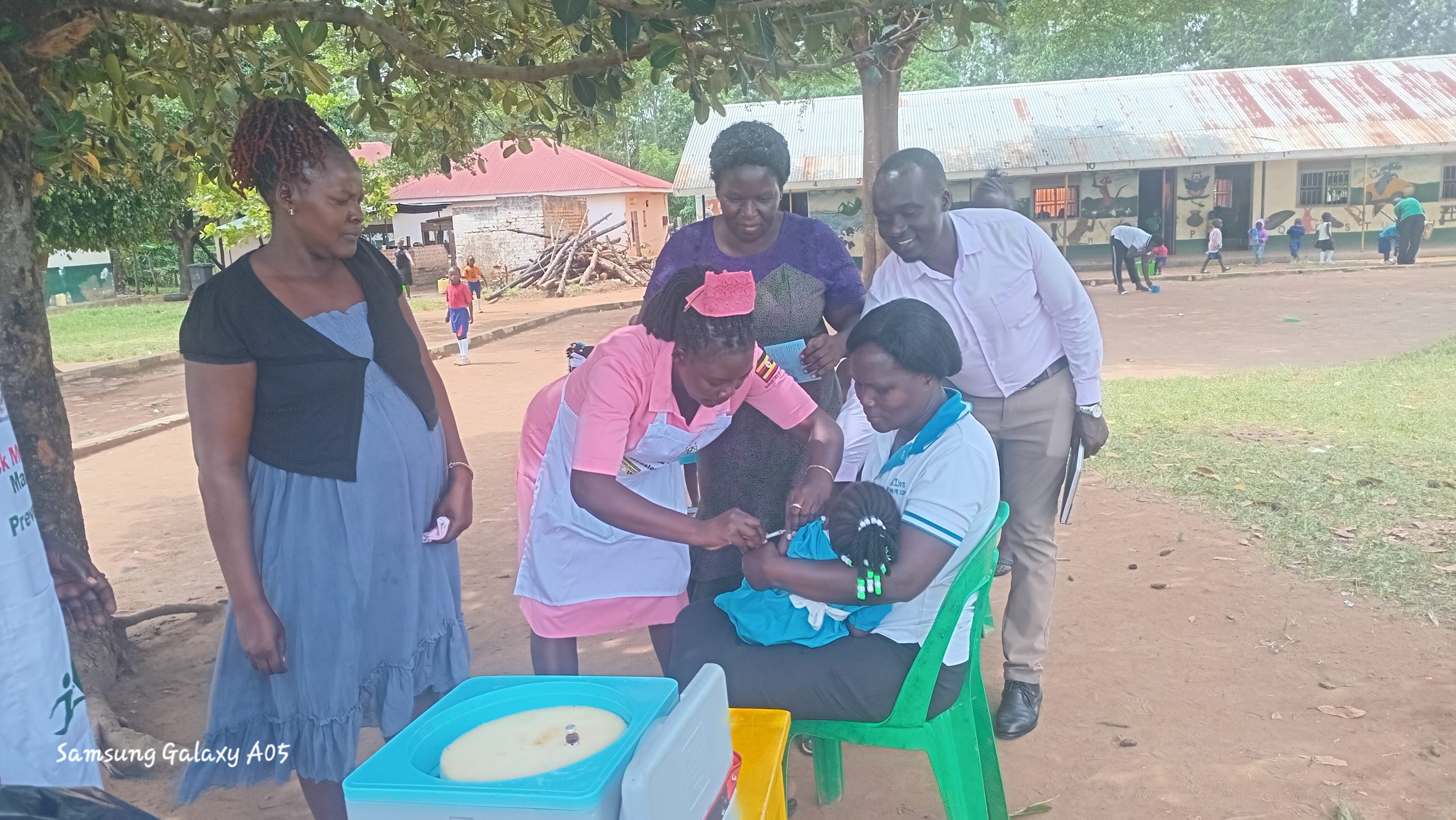
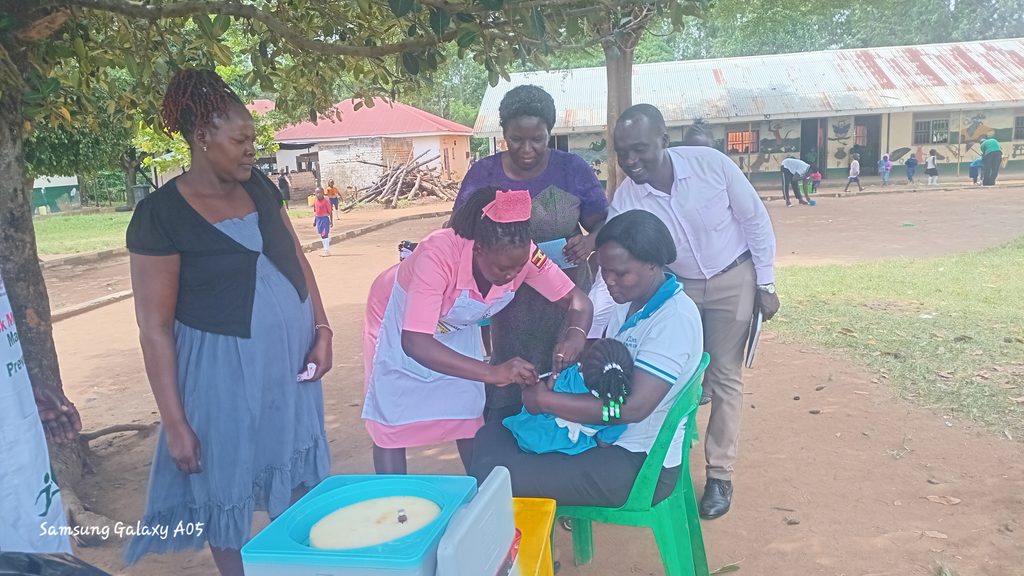
Pader District has recorded 109.27 per cent measles-rubella vaccination coverage following mop-up activities, but children aged nine to 11 months remain below the campaign target, according to the latest performance figures for the Acholi sub-region.
The post-mop-up campaign dashboard shows that Pader reached 85.57 per cent of the target for children in the youngest age group, leaving a gap of 14.43 percentage points against the 100 per cent target.
The figures suggest that while the district exceeded its overall vaccination target, coverage among younger children remains an area requiring attention.
Across Acholi sub-region, overall measles-rubella vaccination coverage reached 111.55 per cent, but coverage among children aged nine to 11 months stood at 94.50 per cent.
Pader’s performance in this age group was therefore below the regional average, highlighting a gap that health authorities may need to address through continued follow-up and routine immunisation services.
The dashboard further shows that Pader recorded 118.64 per cent coverage among children aged 12–23 months and 110.46 per cent among those aged 24–59 months.
Regionally, children aged 12–23 months recorded 124.58 per cent coverage, while the 24–59-month age group reached 109.58 per cent.
Pader’s overall coverage was higher than that of several other districts in the sub-region, including Gulu, which recorded 102.22 per cent, Gulu City at 102.16 per cent, Lamwo at 101.96 per cent and Kitgum at 101.33 per cent.
However, Kitgum registered the lowest coverage among children aged nine to 11 months at 66.44 per cent, followed by Gulu City at 70.99 per cent, Lamwo at 72.98 per cent and Agago at 79.86 per cent.
Amuru and Nwoya recorded the highest overall coverage in Acholi, at 130.66 per cent and 131.05 per cent, respectively, while Omoro reached 121.70 per cent.
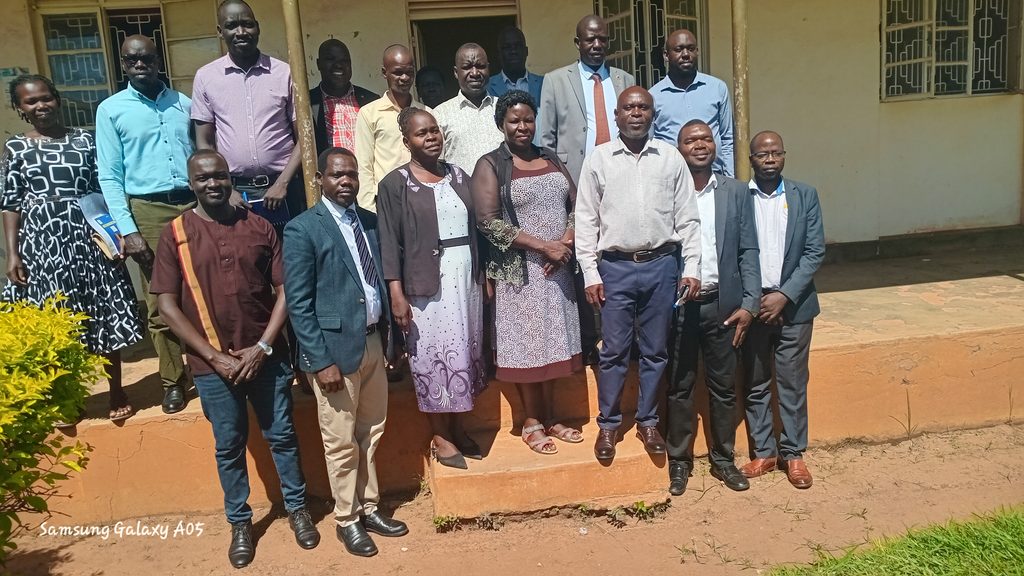
Christine Limio, a Principal Nursing Officer at Gulu Regional Referral Hospital and also the center supervisor for Pader, previously highlighted logistical challenges affecting vaccination teams, including difficult river crossings, poor roads, inadequate fuel and vehicle breakdowns.
Limio also cited limited access to remote communities, including Ogonyo and Lapul, as a challenge, while identifying supervision, training and WhatsApp coordination as measures that supported campaign implementation.
These challenges highlight the difficulties health teams can face in reaching every eligible child, particularly in communities where transport and access constraints affect the delivery of health services.
Measles is a highly contagious viral disease that can cause serious complications, especially among young children. Rubella infection during pregnancy can also cause severe birth defects.
Although Pader’s overall coverage exceeded 100 per cent, this does not necessarily mean every eligible child was vaccinated. Coverage above the target can occur when the number of children vaccinated exceeds the estimated target population.
The post-mop-up dashboard does not provide the actual number of children vaccinated or explain how many children previously missed were reached during the additional activities.
Health officials may therefore need to establish the reasons for the remaining shortfall among children aged nine to 11 months and determine whether further follow-up is required to reach those who missed vaccination.
Ambrose Ongwech, the Assistant District Health Officer in charge of Child and Maternal Health in Pader, had earlier highlighted issues surrounding the district’s measles-rubella vaccination campaign, underscoring the importance of reaching children who may have missed immunisation.
The latest post-mop-up figures show that Pader recorded 109.27 per cent overall coverage, but reached only 85.57 per cent of the target among children aged nine to 11 months.
Christine Limio, a Principal Nursing Officer at Gulu Regional Referral Hospital who participated in campaign supervision, previously pointed to logistical challenges, including poor roads, difficult river crossings, inadequate fuel and vehicle breakdowns, which affected access to some communities.
The post-mop-up results highlight the need for continued attention to younger children who may have missed vaccination, even as overall coverage exceeds the target.