
 LUO FM
LUO FM
LUO FM
7 July 2026, 12:07 pm

By Geoffrey Okwong
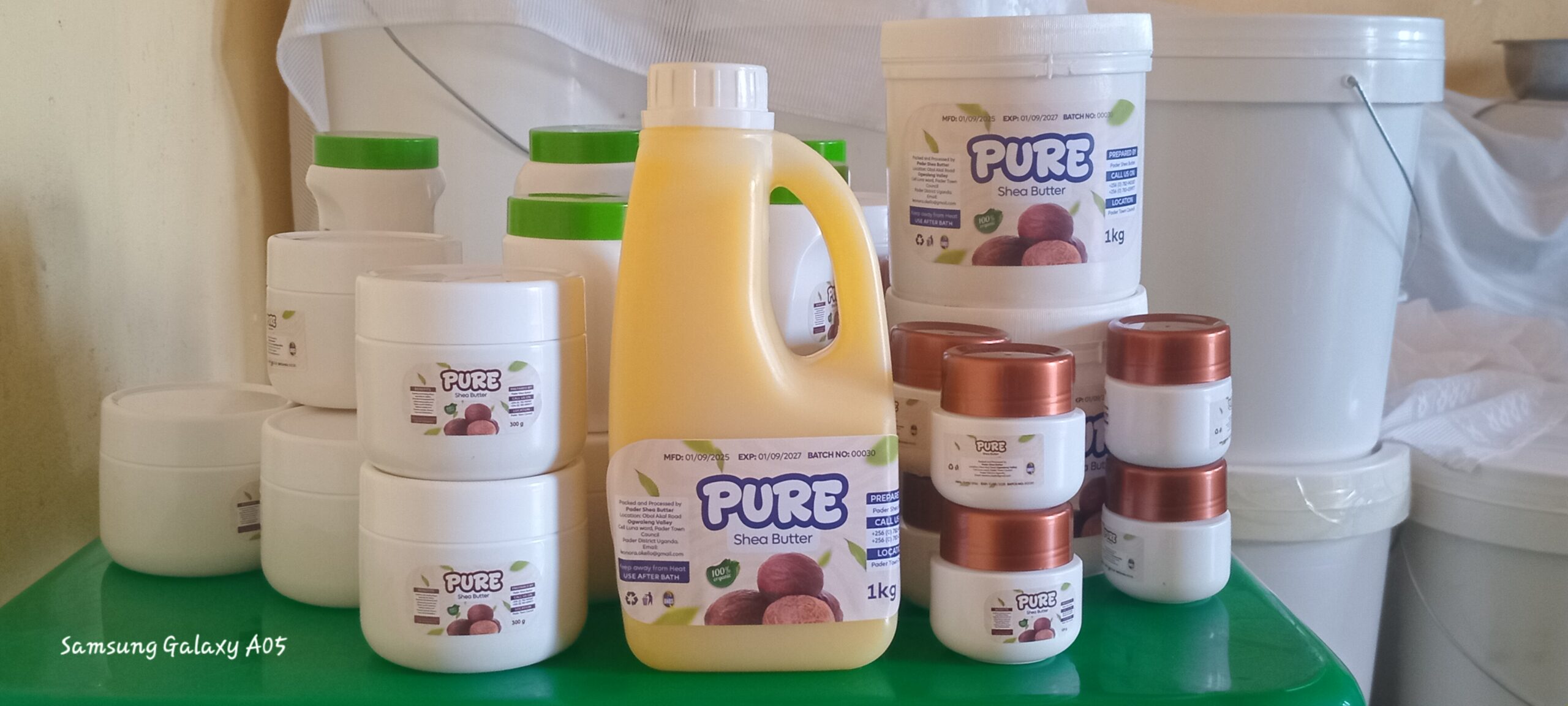
The Pader Shea Butter and Agro Processing Cooperative Society Limited has appealed for support to acquire modern processing machinery, transport facilities and a bigger storage facility to enable it increase production and meet growing demand for its products.
The cooperative says although it has made progress in improving the quality of its shea butter products, limited equipment, transport challenges and inadequate storage facilities remain major obstacles affecting its growth.
Formed in 2004 when the Acholi subregion was still facing the effects of the Lord’s Resistance Army (LRA) insurgency, the cooperative has grown over the years into a major shea butter producer group in Pader District.
The cooperative currently has 1,400 members drawn from all subcounties and town councils in the district, comprising 900 women and 500 men who are involved in the collection and processing of shea nuts into value-added products.
Speaking after a technical assessment visit by the Quality Assurance Association of Uganda (QAAU), the Chairperson of Pader Shea Butter and Agro Processing Cooperative Society Limited, Leonora Abalo Okello, said the cooperative has continued to depend largely on the local market within Pader District and the wider Acholi subregion.
She said the cooperative also sells some of its products through middlemen who purchase from them and later add value before taking the products to other markets.
Abalo explained that members collect shea nuts from different parts of Acholi where shea trees are available, but during periods when local supply reduces, the cooperative buys additional nuts from other districts, including Adjumani in West Nile.
She said the cooperative purchases shea nuts from Adjumani at prices ranging between 2,000 and 3,000 shillings, depending on availability and market conditions.
The appeal for support follows a technical assessment conducted by the Quality Assurance Association of Uganda (QAAU), which evaluated the cooperative’s production systems, quality standards and readiness to continue accessing markets.
Abalo said the assessment focused on whether the cooperative had maintained the quality standards required after receiving certification from the Uganda National Bureau of Standards (UNBS), how its business linkages had grown and whether its products continued to meet market expectations.
She revealed that although the cooperative previously obtained UNBS certification, the certificate has expired and members are currently working towards renewing it.
Abalo who is also the female district councilor for the elderly, welcomed the guidance provided by the quality experts, saying the assessment helped the cooperative identify areas that need improvement before the next certification process.
“We appreciate their coming because they have guided us where we were not doing well. They have enlightened us, and we shall correct where we had challenges,” Abalo said.
She said maintaining quality standards remains a priority because the cooperative wants to continue producing safe products that can compete in the market.
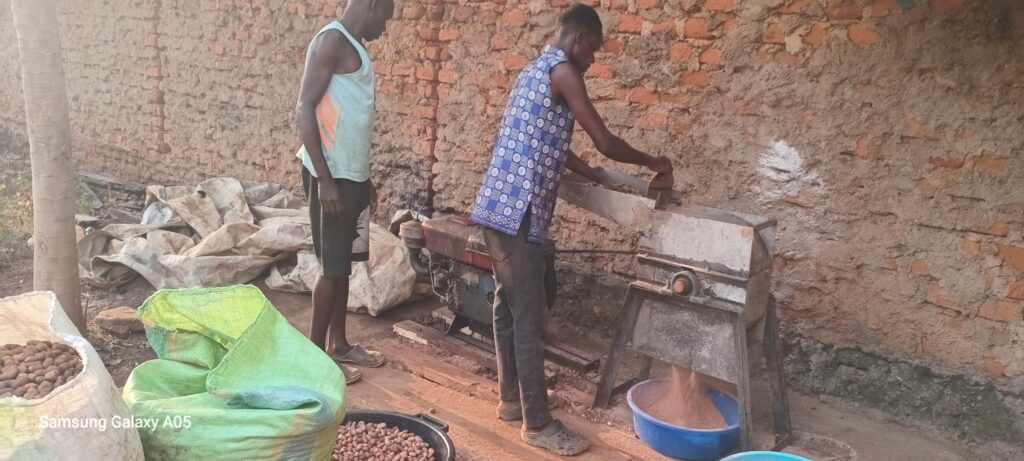
However, Abalo identified the lack of a modern processing machine as one of the biggest challenges facing the cooperative.
She explained that the required equipment is expensive and beyond the financial capacity of the cooperative, appealing to government, development partners and other well-wishers to support them acquire modern machinery.
She also cited transport challenges, saying members struggle to collect shea nuts from communities because the cooperative does not have motorcycles or bicycles.
Abalo further said the cooperative needs a larger storage facility to keep enough raw materials and finished products as demand for their products continues to increase.
She said improved equipment, transport and storage facilities would enable the cooperative to increase production, create more opportunities for members and strengthen their business.

Abalo appreciated the continued support from partners, including the Quality Assurance Association of Uganda and the media, for promoting the cooperative and creating awareness about their products.
Meanwhile, the Chairperson of the Quality Assurance Association of Uganda (QAAU), Rogers Siima, said improving product quality must go hand-in-hand with strengthening the capacity of SMEs through better equipment, proper systems and market linkages.
Siima said QAAU works with small and medium enterprises to help them produce safe and quality products that meet market requirements and improve their competitiveness.
He encouraged SMEs to embrace technical support opportunities whenever they arise, saying learning from experts and fellow entrepreneurs helps businesses improve their operations.
Siima added that stronger SMEs with improved production systems and quality products will be better positioned to access wider markets, increase incomes and contribute to improved livelihoods in their communities.