
 LUO FM
LUO FM
LUO FM
7 July 2026, 11:55 am
By Geoffrey Okwong
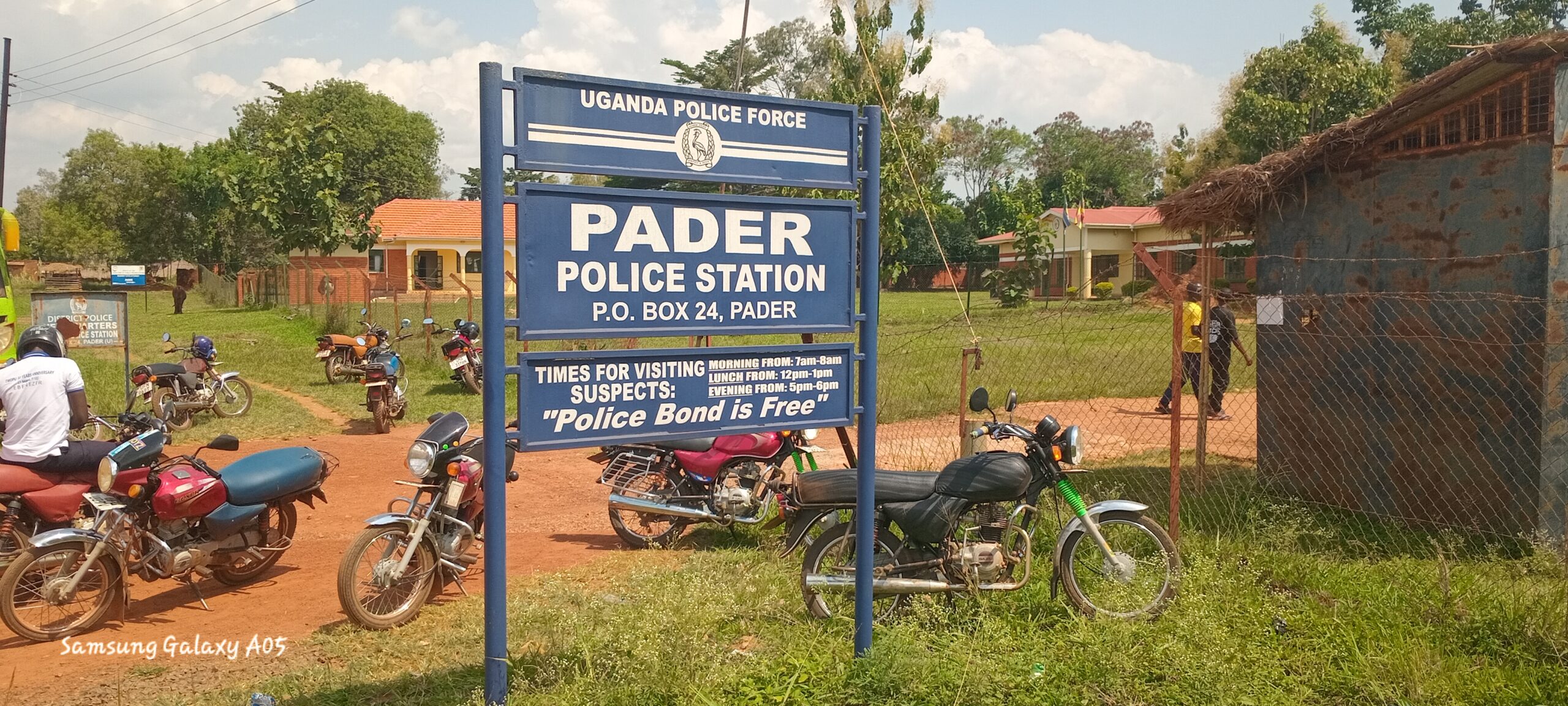
Police in Pader District have warned parents, cultural leaders and community members against resolving defilement and other sexual offences through informal cultural settlements, saying the practice denies victims justice and allows perpetrators to escape prosecution.
Speaking from his office, the District Police Commander (DPC), SP Jackson Bogere, said the district continues to register high numbers of sexual and gender-based violence (SGBV) cases, particularly those affecting children and young people, with many victims suffering long-term physical and psychological consequences.
Bogere attributed the persistence of such crimes to parental negligence, saying many parents have failed to properly supervise and guide their children, exposing them to abuse and endangering their future.
He also criticised the continued use of cultural mechanisms to settle defilement cases instead of reporting them to police, warning that such practices allow offenders to evade justice and encourage repeat offences.
The DPC appealed to parents, cultural leaders and the wider community to take responsibility for protecting children and to ensure that all criminal cases are reported to law enforcement agencies.
His concerns are reflected in recent police statistics from the Sexual and Gender-Based Violence Investigation Unit in Pader District.
According to Lillian Kayinza, the Deputy Assistant Inspector of Police (DAIP) in charge of SGBV investigations, police registered 25 defilement cases between January and June 2026 at Pader Central Police Station.
She said 16 school-going girls became pregnant during the six-month period, with two pregnancies occurring while the victims were still attending school.
Kayinza identified Olwornguu Primary School as the most affected primary school, while Lagwai Seed Secondary School, Kworo High School, and Rackoko Comprehensive School in Lunyiri Subcounty were among the most affected secondary schools.
Police also recorded nine rape cases, with most incidents reported in Pajule Town Council, Awere Subcounty, and Atanga Town Council. Some of the victims were persons living with Nodding Syndrome, while others were girls attacked while returning from discos.
Kayinza further revealed that six cases involving sexual activity between minors aged 14 to 17 years were reported, four of which resulted in pregnancy.
She said police also handled four defilement cases involving persons with mental disabilities, one of which resulted in pregnancy, as well as three incest cases, with two victims becoming pregnant.
In addition, two cases of bestiality were reported in Pajule Town Council, with preliminary investigations linking the suspects to habitual marijuana use.
Kayinza noted that informal settlements by families remain a major challenge in handling such cases, saying perpetrators are often allowed to escape justice through cultural negotiations.
She explained that in some communities, when a girl becomes pregnant following defilement, families opt for customary arrangements in which the perpetrator is required to take responsibility or compensate the girl’s family with livestock such as a cow.
According to her, such practices deny victims justice, disrupt their education, and prevent prosecution of offenders.
She urged parents, cultural leaders and the public to abandon informal settlements and instead report all cases of sexual violence to police for proper investigation and prosecution.
Kayinza further emphasised that protecting children and vulnerable persons requires collective responsibility, warning that silence and cultural compromise continue to undermine justice in the district.