

 LUO FM
LUO FM
LUO FM
29 May 2026, 2:23 pm
By Geoffrey Okwong
Pregnant mothers in Pader District have been encouraged to prioritise good nutrition and attend antenatal care (ANC) services to improve maternal and child health outcomes and reduce complications associated with poor nutrition during pregnancy.
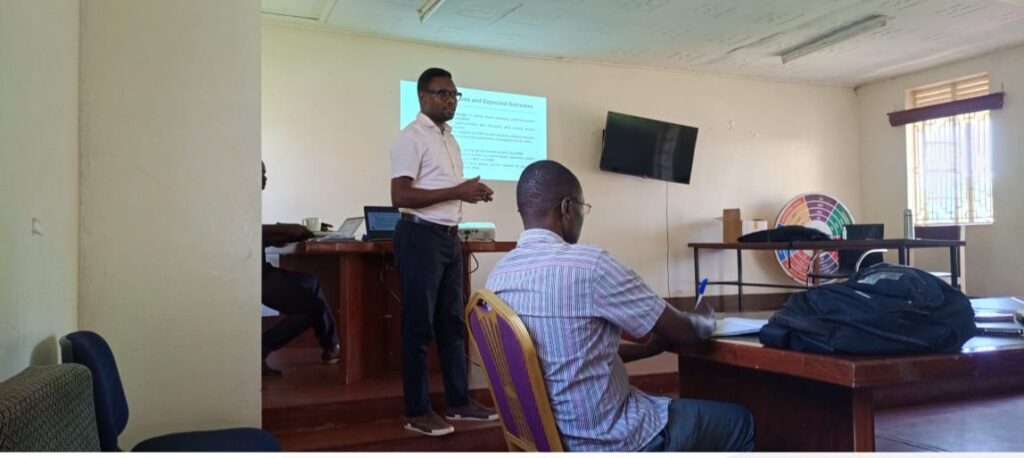
The call was made during a district advocacy engagement on Multiple Micronutrient Supplements (MMS), where health officials, government representatives and stakeholders emphasised the importance of balanced diets, early antenatal care and accurate health information for expectant mothers.
Mr Ambrose Ongwech, the Acting Assistant District Health Officer in charge of Maternal and Child Health in Pader District, said antenatal care attendance remains essential in protecting both mothers and unborn babies.
Mr Ongwech said pregnancy increases the nutritional demands on women, making it important for mothers to access health services and receive proper nutritional support during pregnancy.
He explained that these nutrients are important for organ development, brain growth, bone formation and the overall health of unborn babies.
However, Mr Ongwech expressed concern over misconceptions surrounding the new Multiple Micronutrient Supplements, saying some community members had mistaken the medicine for antiretroviral drugs (ARVs) due to similarities in packaging.
He urged religious leaders, cultural leaders, women’s groups, youth leaders and community-based organisations to help spread accurate information and encourage pregnant mothers to seek antenatal care services at health facilities.
Mr Augustine Omongin, the Deputy Resident District Commissioner for Pader, emphasised that a healthy population is critical for national development, saying investments in maternal health are necessary to build stronger communities and secure the country’s future workforce.
He called on communities to support pregnant mothers through proper nutrition, hygiene and timely health-seeking behaviour, noting that healthy pregnancies contribute to healthier children and stronger families.
Mr Omongin also encouraged households to make productive use of available land to grow nutritious food that can strengthen immunity and support expectant mothers.
Representing the Ministry of Health, Mr Sulah Kaggwa emphasised that nutrition during pregnancy is critical because mothers are nourishing both themselves and their unborn babies.
Mr Kaggwa said poor nutrition among pregnant women contributes to complications such as anaemia, low birth weight, premature births, stillbirths and developmental challenges among children.
He encouraged pregnant women to eat balanced diets consisting of energy-giving foods, body-building foods and protective foods, saying proper nutrition helps improve pregnancy outcomes.
According to Mr Kaggwa, the Ministry of Health, with support from partners including the Clinton Health Access Initiative (CHAI), has introduced Multiple Micronutrient Supplements to replace iron and folic acid tablets traditionally given to pregnant mothers.
He said MMS contains additional vitamins and minerals that help reduce the risk of anaemia, low birth weight, premature births and stillbirths.
Mr Cyprian Odong, the Malaria Focal Person in Pader District, urged communities to support pregnant mothers to consistently take Multiple Micronutrient Supplements (MMS), saying that while some mothers may experience mild side effects, the supplements remain important for healthy pregnancies and improved nutrition.
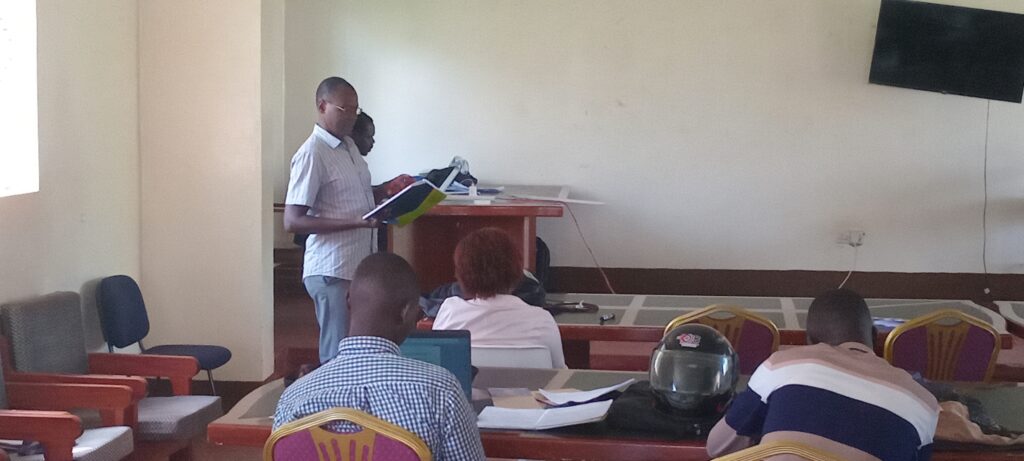
Mr Odong explained that reactions to the supplements may vary from person to person, but emphasised that most mothers tolerate them well and should not stop taking them without medical advice.
He advised mothers to continue taking the supplements consistently and to avoid taking extra doses if they miss a day.
Mr Odong further encouraged stakeholders to use community meetings and public forums to disseminate accurate information on maternal health, antenatal care and proper nutrition.
Stakeholders at the engagement were also urged to utilise their community platforms to promote antenatal care attendance, good nutrition and accurate information on Multiple Micronutrient Supplements in order to improve maternal and child health outcomes.
The engagement brought together cultural leaders, religious leaders, health workers, local leaders, women representatives and youth leaders to strengthen community advocacy on maternal nutrition and antenatal care in Pader District.