
 LUO FM
LUO FM
LUO FM
26 September 2026, 9:06 am
By Geoffrey Okwong
Local council leaders in Pader Town Council have defended collecting money from households, saying the contributions were agreed upon by communities to help them perform their duties after government handed them stamps without basic stationery and other working materials.
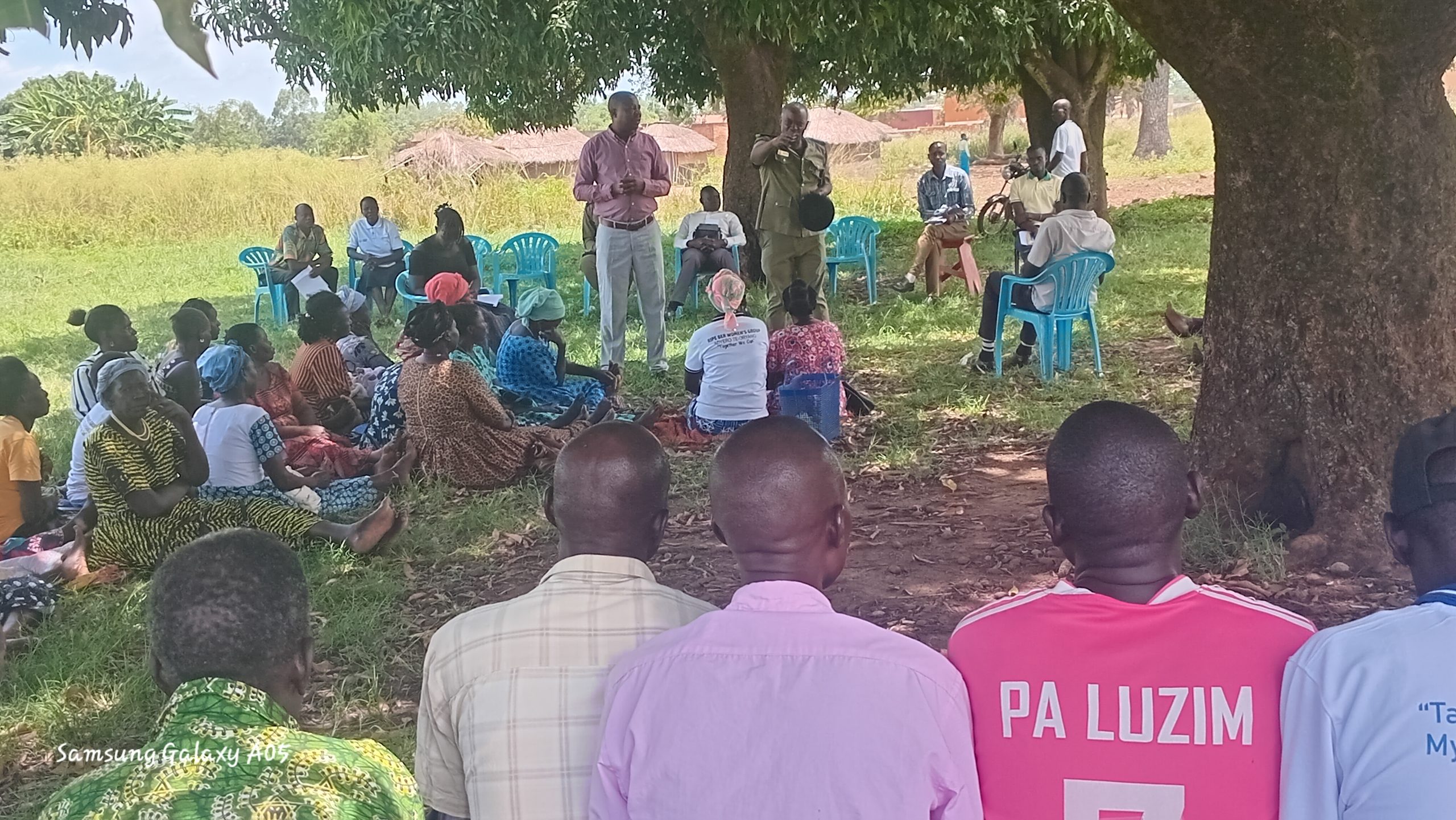
The issue emerged during an emergency security meeting between security officials and LC1 and LC2 chairpersons and their committees at the Pader Town Council ground on September 24, 2026.
The meeting was convened amid reports that some local leaders were collecting money from residents while registering households under the neighbourhood policing programme.
Pader District Police Commander SP Jackson Bogere clarified that police had not directed LC leaders to collect money from residents.
He said the neighbourhood policing strategy was intended to strengthen community-level crime prevention and enable local leaders and police to know what was happening in their villages.
Bogere said police would work with LC1, LC2 and LC3 leaders to implement the programme, with police taking the lead.
However, Pader Town Council GISO David Anywar later told the gathering that there are procedures through which leaders can seek community contributions.
Anywar said a meeting held on September 23 agreed that leaders intending to collect money should write to the district council and copy the Resident District Commissioner and DPC.
He said putting such requests in writing would protect both leaders and residents and provide accountability if questions arose later.
Geoffrey Odokonyero, LC1 chairperson for Dognam East in Lagwai Parish, said some leaders had already collected money from their communities even before the previous security meeting.
Odokonyero said the practice was not introduced by the DPC and attributed the controversy to what he described as misinformation within the community.
He said he was among the leaders who had already collected money before the previous meeting and would be ready to face the consequences if authorities decided to take action.
Odokonyero on arrests
Odokonyero said LC leaders had been tasked with registering households for planning purposes but questioned how they were expected to carry out the exercise without stationery and other materials.
He said his community had not complained about the contribution and that the ward has local by-laws through which residents agree on community matters.
Geoffrey Okot, LC1 chairperson for Lutyek Ward in Lagwai Parish, also defended the collections, saying the money was contributed after community members agreed to support the work of their leaders.
Okot said the leaders were handed stamps during the handover of office but received no basic working materials such as books and other stationery.
He said the lack of materials prompted the community to contribute Shs1,000 per household to help purchase items needed for their work.
Okot on the meeting
According to Okot, the money was intended to support shared needs, including purchasing chairs and other requirements for the ward, rather than providing personal benefits to individual leaders.
He described the contributions as a community undertaking that residents had collectively agreed upon to improve the welfare of the ward.
Okot urged residents not to fear participating in the initiative, saying the collections were based on community agreement.
The leaders also raised a broader concern over the lack of financial support for LC structures.
They said government had handed them official stamps as tools for carrying out their duties but had not provided funds or basic stationery needed to execute various government activities.
Some leaders threatened to return the stamps if they continued to be assigned responsibilities without the necessary resources.
The disagreement has therefore raised questions over how local council leaders are expected to finance activities at village and ward level when operational support is limited.
Bogere urged the leaders to avoid turning the issue into a dispute among themselves and instead work with police and district authorities.
He said police would continue working with local leaders to implement the neighbourhood policing strategy and would return to assess its progress.
Bogere described neighbourhood policing as a Uganda Police Force strategy for fighting crime and urged the leaders to support its implementation.
The meeting ended with officials urging leaders who intend to mobilise community contributions to document the requests and involve relevant district and security authorities.