
 LUO FM
26 October 2026, 9:49 pm
By Geoffrey Okwong
Pader Shea Butter and Agro-processing Cooperative Society is seeking product certification and modern processing machinery to increase production, expand its export market and improve the livelihoods of its members.
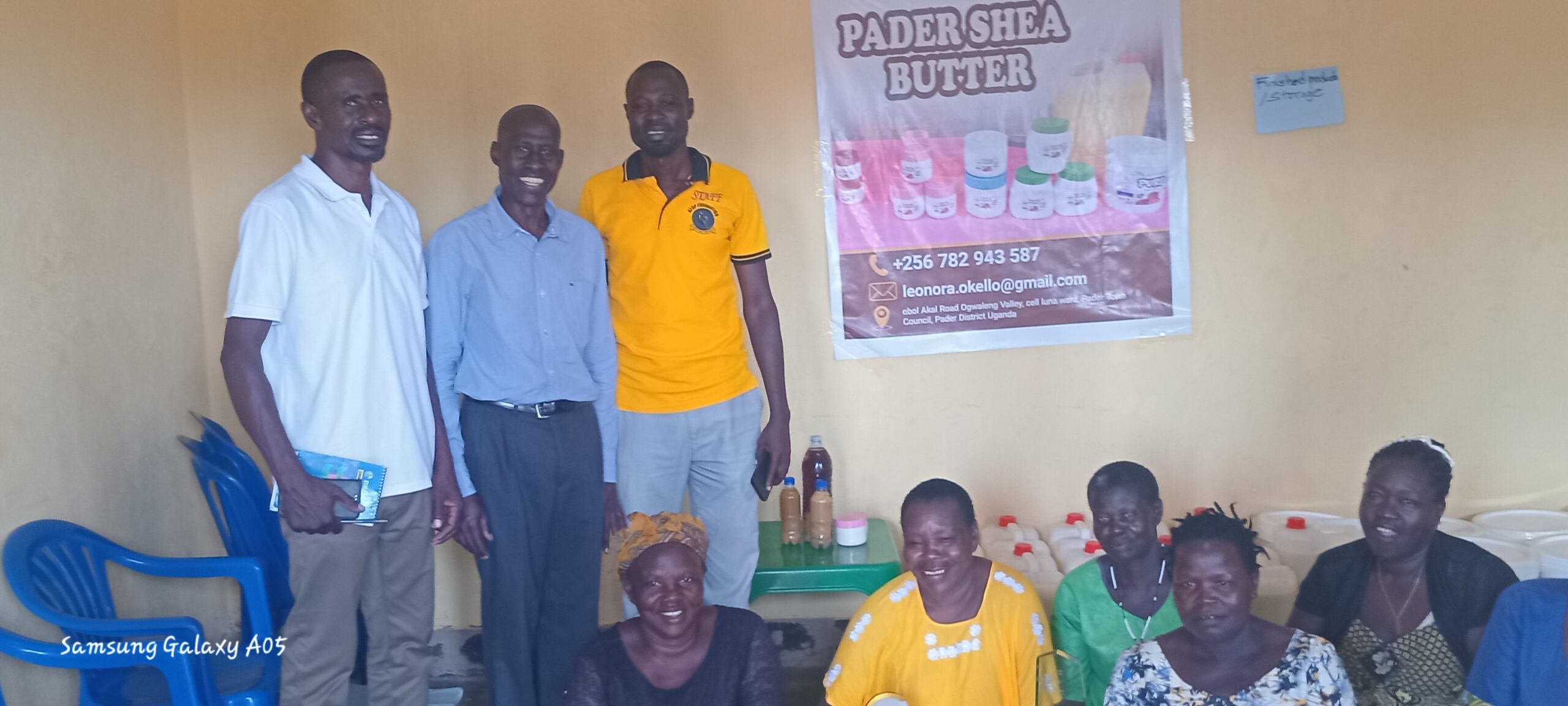
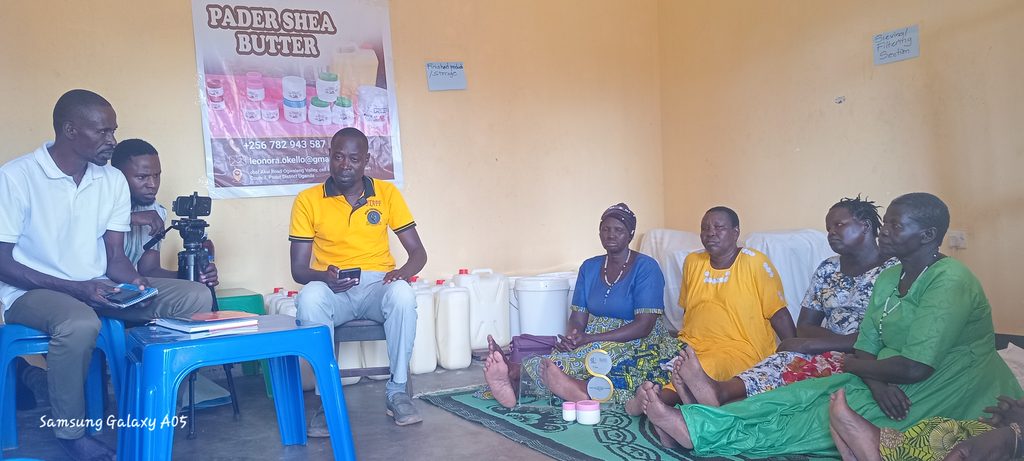
The appeal was made recently during an engagement at the cooperative’s office in Pader Town Council, Pader District, where members and representatives of Quality Assurance Association Uganda Limited discussed improvements in product quality, production processes and market access.
The cooperative currently has 1,400 members drawn from all subcounties and town councils in Pader District, comprising 900 women and 500 men involved in collecting and processing shea nuts into value-added products.
Denis Otema, the cooperative’s secretary, said the group needed certification to meet the requirements of external markets and additional machinery to increase production and respond to growing demand for its products.
He explained that the cooperative began in 2004 as a women’s group during the Lord’s Resistance Army insurgency in Northern Uganda before growing into a cooperative involving members from across the district.
According to Otema, the cooperative sells its cold-processed shea butter locally and internationally, with enquiries from buyers in Kenya presenting an opportunity for further growth.
However, he said the available equipment limited the volume of products the cooperative could produce to serve a wider market.
Otema added that training and coaching provided through a quality assurance project supported by the International Trade Centre (ITC) had helped the cooperative improve its production processes and product branding.
Elliot Naligeya, the Coordinator of Quality Assurance Association Uganda Limited, said the coaching programme focused on improving product quality and ensuring that products reached consumers in the condition intended by the producer.
Naligeya explained that maintaining quality required attention to the different stages of production, adding that consistent standards were important in meeting customer expectations and strengthening confidence in a product.
He said the project aimed to build on the quality of products already being made by helping producers improve their processes and practices.
Otema said the training had helped members identify gaps in their previous production procedures and understand the importance of following appropriate quality-control practices.
He cited the checking and recording of moisture content in shea nuts as one area where the cooperative had recognised the need for improvement. Previously, members relied on feeling the nuts by hand without keeping records of their assessments.
Otema said improved quality-control practices and branding would help the cooperative strengthen its products as it pursued opportunities in wider markets.
He also appealed to local leaders to work with the cooperative’s management to strengthen its operations, saying limited support had affected its ability to expand production and take advantage of market opportunities.
Beyond the cooperative’s business ambitions, members say their participation in shea butter production has helped improve their household livelihoods.
Hellen Ayero, a storekeeper and member of the cooperative, said members had used their share of the profits to meet family needs, pay school fees for their children and invest in housing.
She said some members had managed to construct small houses using income earned through the cooperative’s activities.
Ayero also cited the acquisition of a grinding machine as an important achievement, saying it had eased the work involved in processing shea butter.
She added that the cooperative had acquired a piece of land, which she described as another milestone for the group.
Ayero thanked the cooperative for providing women with opportunities to earn income and improve their living conditions.
However, she said the group continued to face challenges in securing reliable markets for its products, despite selling locally, nationally and internationally.
She appealed to non-governmental organisations, Pader District local government and local leaders to support the cooperative in improving market access and expanding its activities.
The cooperative hopes that improved production capacity, certification and stronger market connections will help it reach more customers while sustaining the economic benefits its 1,400 members derive from their work.