
 LUO FM
LUO FM
LUO FM
31 August 2026, 7:43 pm
By Geoffrey Okwong
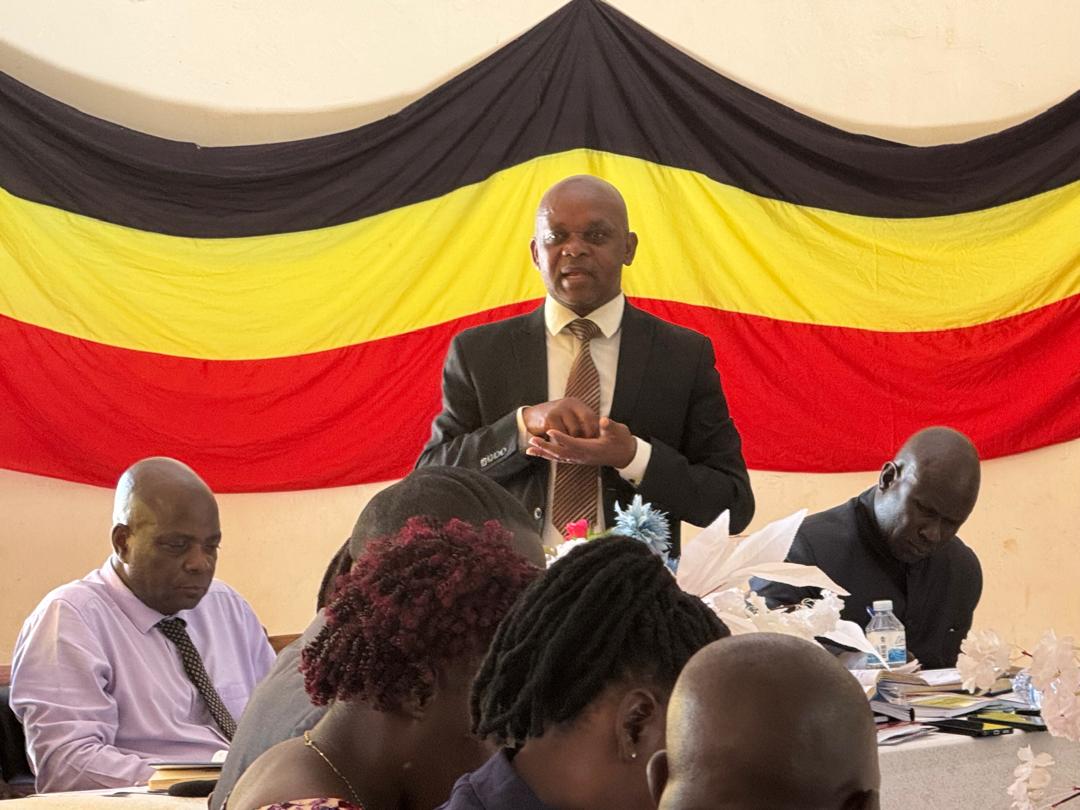
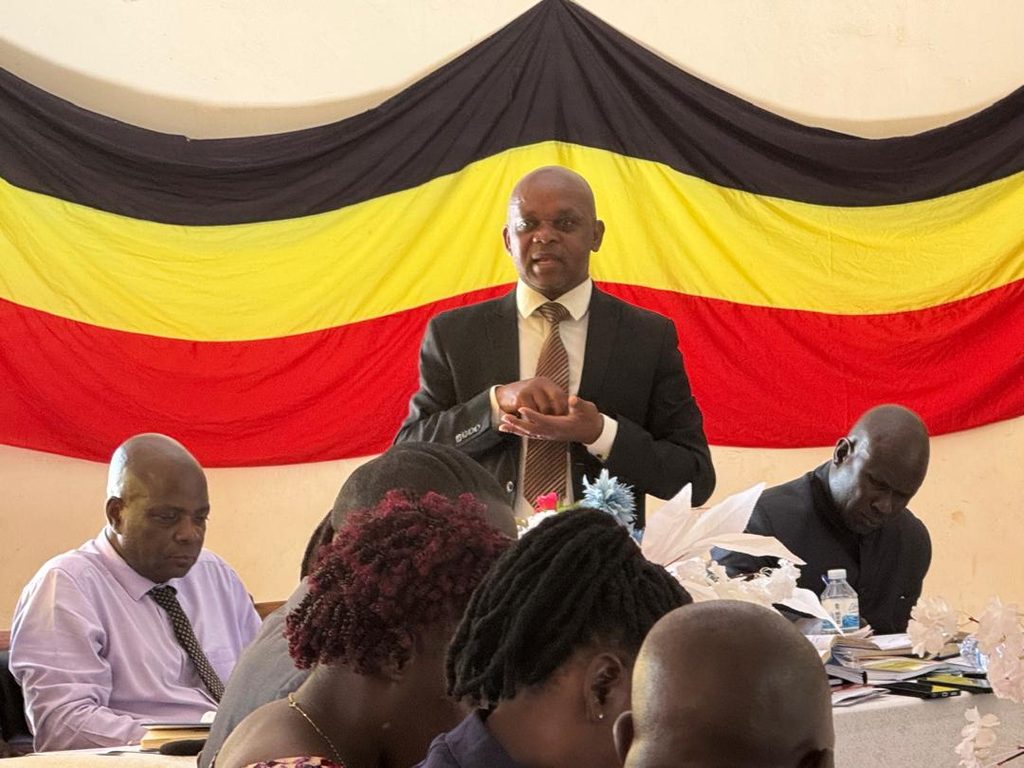
Pader District Chief Administrative Officer Peter Gidongo Wasagami has moved to reactivate the district Reward and Sanction Committee amid growing concerns over staff indiscipline, late reporting and absenteeism.
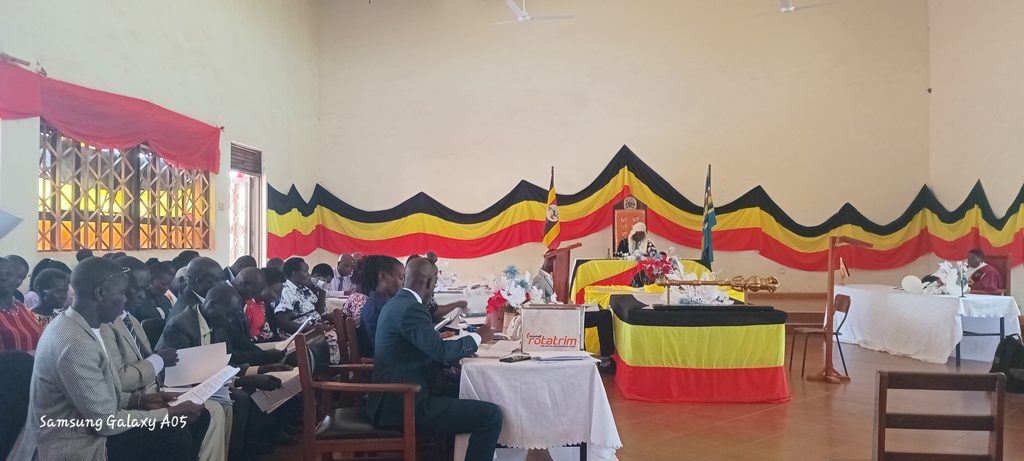
Gidongo made the commitment while responding to councillors’ questions during the Pader District full council meeting held on Thursday, 27th August 2026.
He told council that the Reward and Sanction Committee, established within the public service framework to handle matters of staff performance and misconduct, had not been functional in the district.
Gidongo said he became aware of the situation after assuming office and has since started taking steps to make the committee operational.
He said that within his first two weeks in office, he made a submission to the relevant authorities after receiving a report from the Health Department concerning a number of staff who had allegedly absconded from duty.
However, Gidongo cautioned against the loose use of the term abscondment, saying public service guidelines provide procedures for determining whether an officer has actually absconded from duty.
He explained that an officer who is away from duty with proper permission or has notified the relevant authority should not automatically be treated as having absconded.
Gidongo said cases of staff misconduct or prolonged absence should instead be handled through established disciplinary procedures.
He explained that when a responsible officer, such as a head teacher or departmental supervisor, reports a staff member for prolonged absence or other misconduct, the case is referred to the Reward and Sanction Committee.
The committee then gives the officer an opportunity to be heard in accordance with the principles of natural justice and fair hearing before preparing a report.
The report may recommend further action by the relevant public service authorities or recommend that a warning be issued, depending on the circumstances of the case.
Gidongo also clarified that the committee is not only intended to punish staff.
He said the 2019 public service framework placed greater emphasis on rewarding good performance after government realised that excessive reliance on sanctions had not produced the desired results.
He said one form of reward is recognition during official meetings, including council, where an officer who has performed well can be recognised in the Chairperson’s State of Affairs report.
Other rewards, he said, may include recommending deserving officers for further studies or other opportunities based on good conduct and performance.
Gidongo said the current committee is chaired by the District Engineer, with the Head of Human Resource serving as secretary.
Other members include the District Health Officer, District Education Officer, representatives from urban councils and representatives from sub-counties.
He said the committee handles cases of misconduct referred to it within the public service and provides a platform for officers to be heard before recommendations are made.
The disclosure that the committee had not been functional prompted concern among councillors, who questioned how disciplinary matters had been handled in the district.
George Pa’ Adonga, the councillor representing workers, welcomed the move to reactivate the committee but called for counselling to be incorporated into its work.
Pa’ Adonga said disciplinary action should not only focus on sanctions, but should also give affected staff an opportunity to receive guidance and counselling where necessary.
He said this could help address the underlying causes of misconduct while giving staff an opportunity to improve their performance.
The push to revive the committee comes as concerns over late reporting, absenteeism and staff missing duty continue to feature in discussions within the district.
Gidongo assured council that the issue had already received his attention and said he would work to ensure the Reward and Sanction Committee becomes functional.
The revival of the committee is expected to strengthen the district’s mechanisms for handling staff misconduct while also creating a formal avenue for recognising employees who demonstrate good conduct and performance.