
 LUO FM
18 November 2026, 1:17 pm
By Geoffrey Okwong
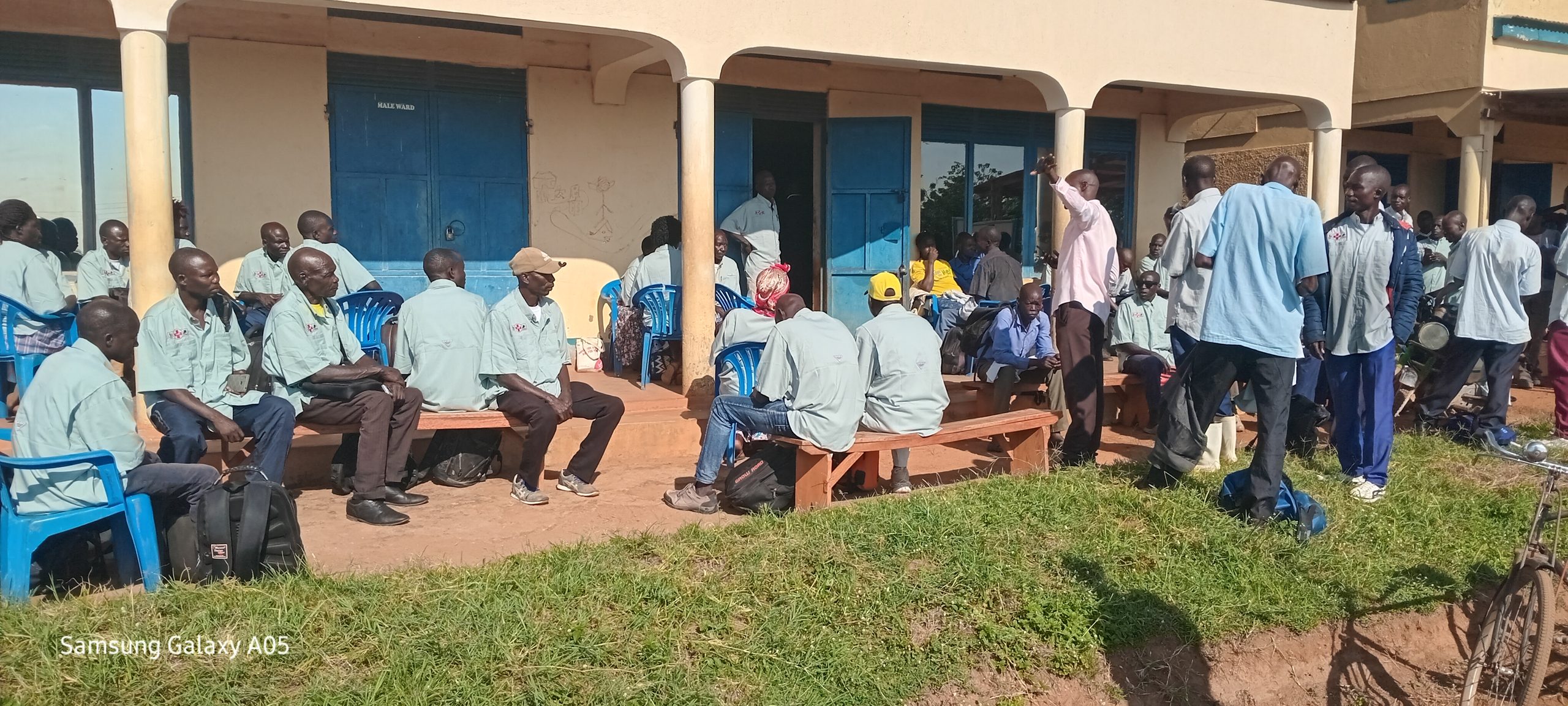
Village Health Team (VHT) members in Pader District have raised concerns over inadequate supplies of medicines, lack of financial facilitation and transport challenges, saying these difficulties affect their ability to provide timely healthcare support to communities.
The concerns were raised by Charles Okot Ongany, a VHT member from Pe Ngape Lamin Okiga Village in Ongany Parish, Pader Sub-county, who said he had served in the role since 2008.
Ongany said that although medicines are supplied periodically, the available stocks are often insufficient to meet the needs of people seeking assistance in their communities.
He said mothers frequently bring their children to VHT members for malaria testing and other basic healthcare services, but some patients do not follow referral advice to seek further treatment at government health facilities.
According to Ongany, some instead turn to private drug shops, making it difficult for VHTs to ensure that patients receive appropriate follow-up care.
He added that transport remains a major challenge, particularly when VHTs receive information about sick people in distant villages but cannot easily reach them.
Responding to emergencies at night is also difficult, he said, because some VHT members lack adequate protective equipment and lighting when navigating muddy paths or visiting households after dark.
Ongany appealed to the government to provide VHTs with better facilitation and the necessary equipment to improve their work.
However, NUMEM Executive Director Dr Benson Oyoo acknowledged that medicine shortages remain a challenge in some communities despite government supplies.
Oyoo attributed the shortages to high demand and delays in deliveries from the National Medical Stores, saying the situation can affect the availability of medicines at health facilities.
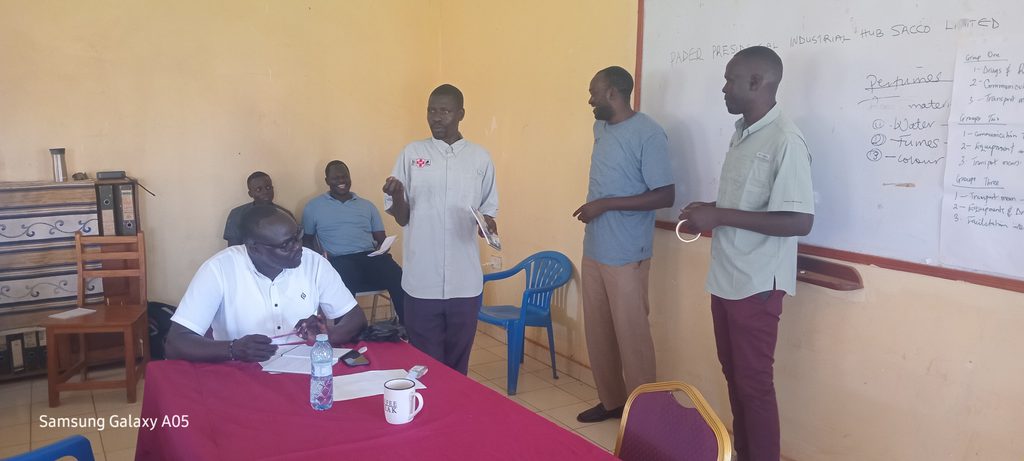
He said NUMEM’s intervention is intended to strengthen the capacity of VHTs to identify health problems early and refer patients to nearby government health facilities.
Oyoo identified inadequate transport, medicine shortages and the replacement of VHT members who leave their roles as some of the major challenges affecting community healthcare delivery.
He said some VHT members leave after becoming local council leaders or relocating, while their replacements may not receive immediate training, creating gaps in service delivery.
To address transport challenges, Oyoo said NUMEM plans to distribute bicycles to selected VHT members to support household visits, patient follow-ups and referrals.
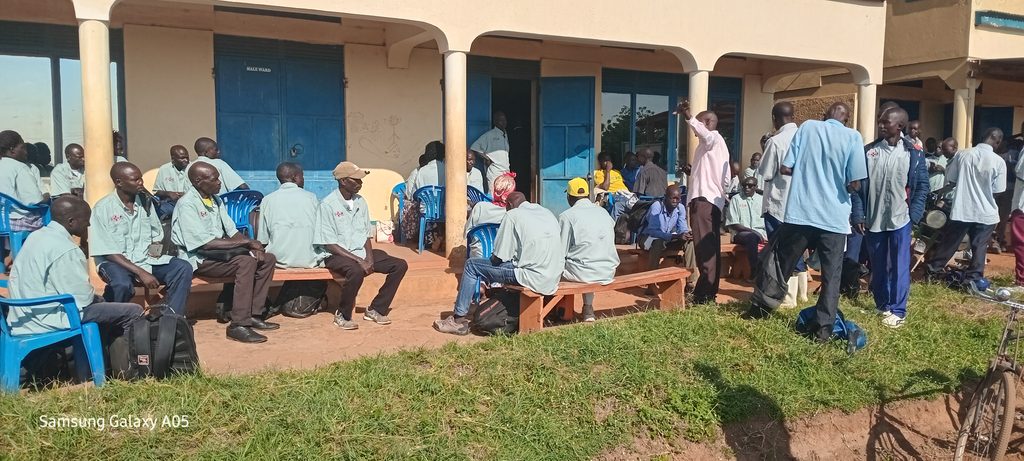
Pader Chief Administrative Officer Peter Gidongo Wasagami also welcomed the planned bicycle support, saying the district’s wide geographical coverage makes transport essential for VHT members to reach communities and follow up patients.
He said VHTs remain an important link between households and health facilities, particularly in rural areas where health workers cannot reach every home.
He added that the lack of regular financial facilitation makes it difficult for VHT members to meet their basic needs while carrying out their voluntary duties.
Ongany said many VHT members depend on farming to support themselves and sometimes struggle to meet personal expenses, including buying soap and other necessities.