
 Speak FM
Speak FM
Speak FM
28 August 2026, 4:20 pm
By Walter Kidega
Gulu City’s growing waste crisis is threatening the cleanliness of the city, but what many people see as waste, GLOFORD Uganda sees as an opportunity for wealth creation.
The organisation has launched a waste-to-wealth campaign aimed at encouraging communities and young people to turn discarded materials into income, create jobs and build a cleaner and healthier Gulu.
The campaign promotes proper waste management, recycling, entrepreneurship and local fundraising as practical ways of creating employment, protecting the environment and improving livelihoods.
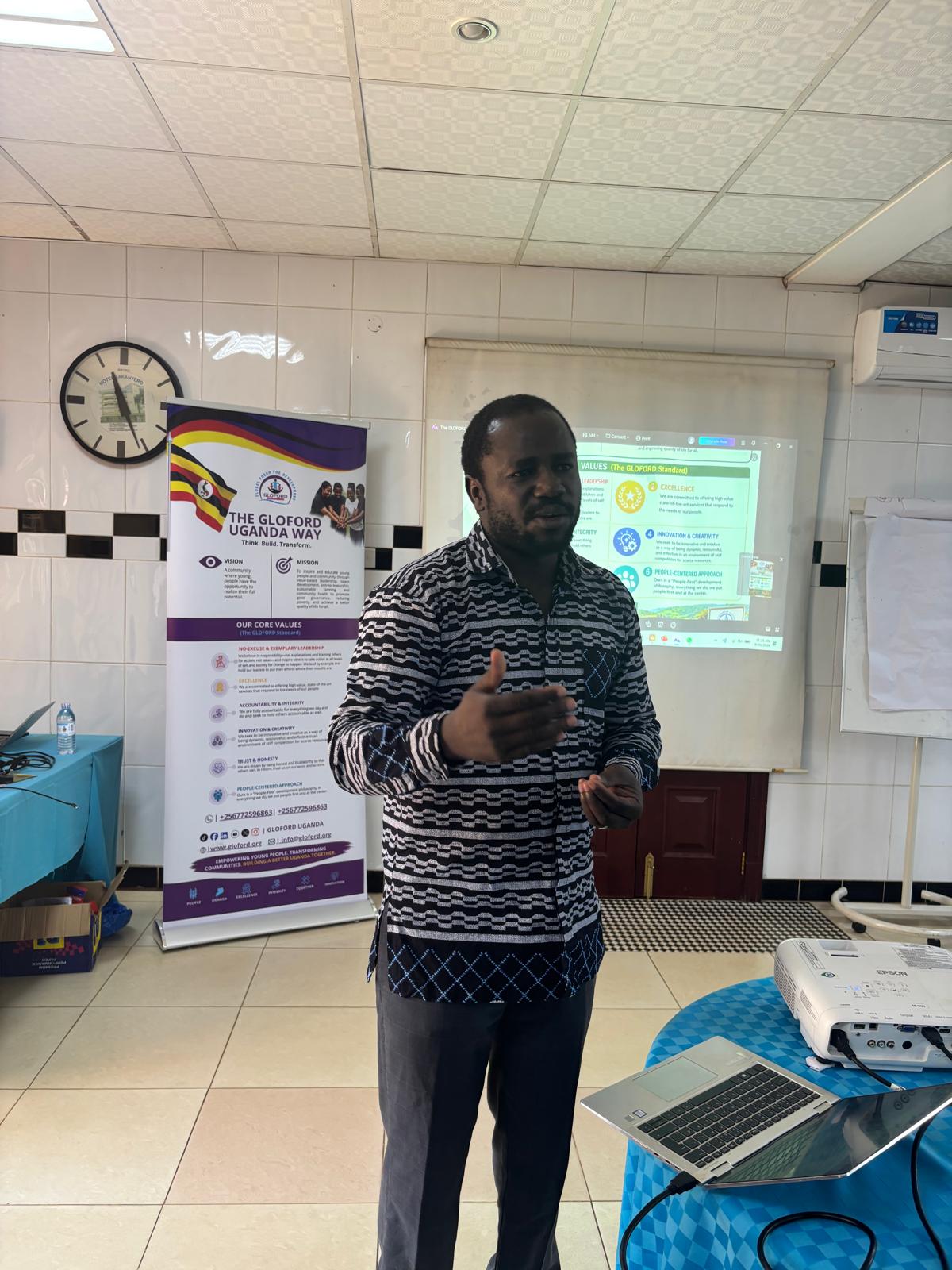
Speaking during the launch, Dr Morish Chris Ongom, Founder and Chief Executive Officer of GLOFORD Uganda, said the organisation is working with young people across the Lango, Acholi and Teso sub-regions to equip them with skills and support them to develop sustainable businesses.
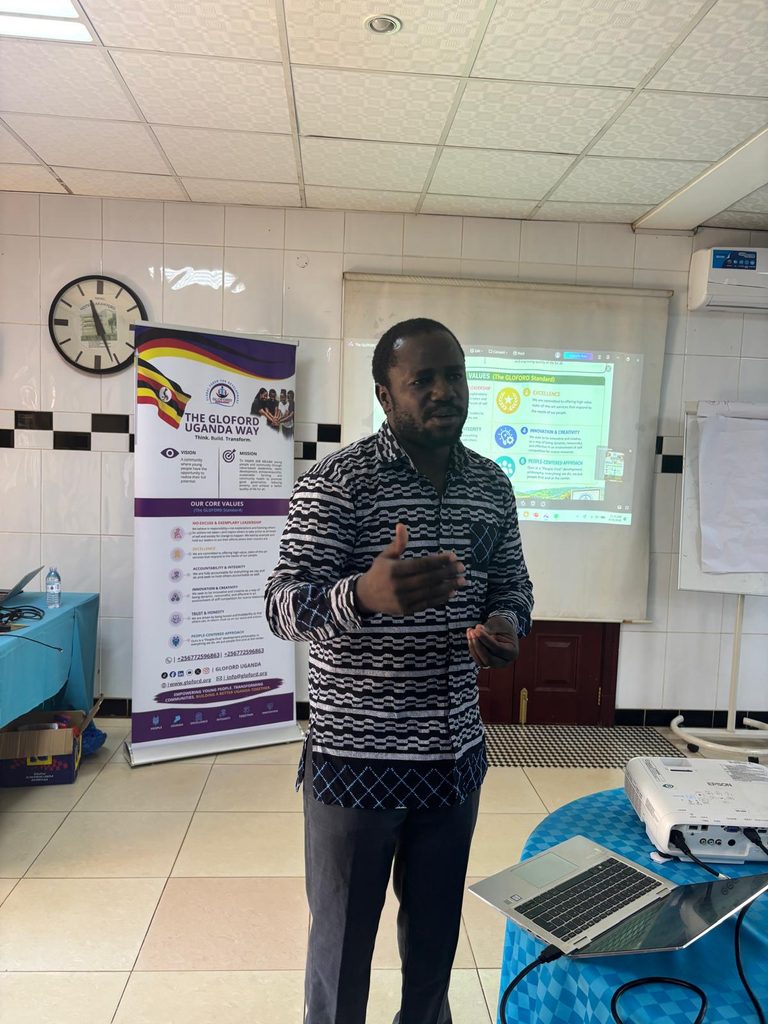
Dr Ongom said youth unemployment remains a major challenge, arguing that young people should be supported to identify opportunities in everyday challenges, including waste that communities often discard.
He said GLOFORD plans to provide young people with training and access to affordable financing to help them turn their business ideas into viable enterprises.
Dr Ongom also called on communities and local businesses to embrace local fundraising, saying resources mobilised within the region can be invested in local development and create opportunities for young people.
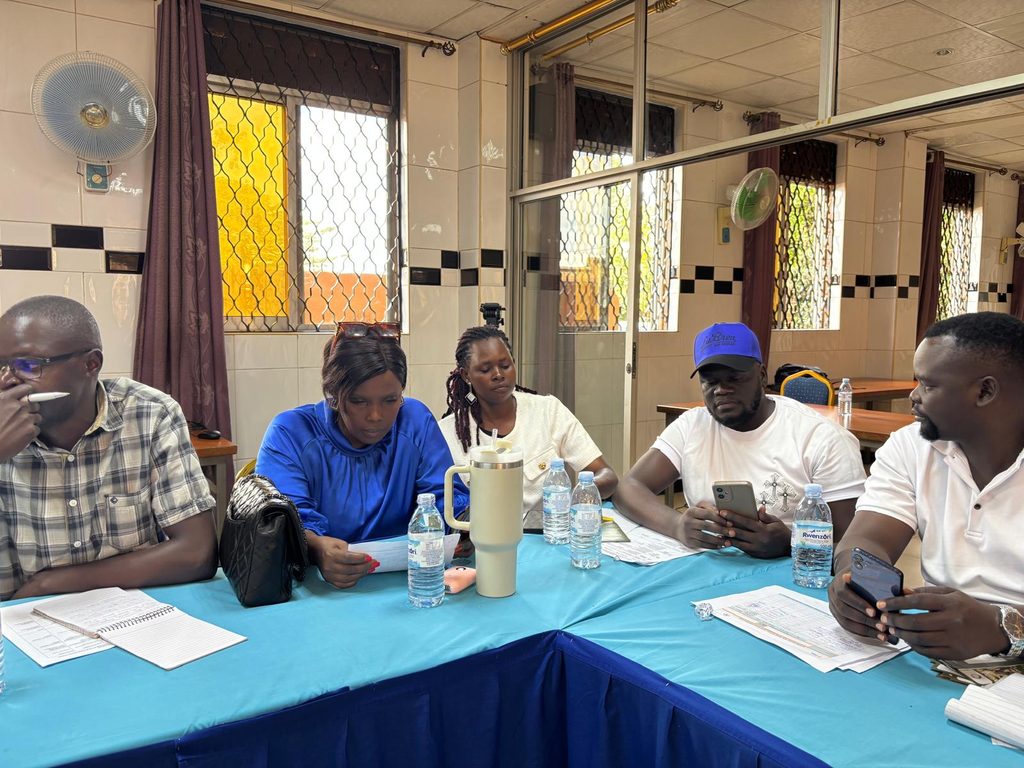
Representing the Mayor of Bar-Dege Layibi Division, Ojok Patrick, Secretary for Works at Gulu City Council, welcomed the initiative, saying Gulu City is facing an increasing waste-management burden.
Patrick said developing a strong waste-management value chain could help address the city’s sanitation challenges while creating employment and income opportunities for residents.
Meanwhile, Oketta Paul Abok, Director of Cessful and Sanitation Services in Gulu, said his organisation has been supporting communities with sanitation services, including the use of specialised vehicles for emptying toilets.
He said improved waste management could also create opportunities for local businesses and entrepreneurs.
The GLOFORD initiative comes at a time when Gulu City continues to grapple with waste-management challenges, raising questions about how communities can take greater responsibility for keeping their surroundings clean.
The organisation is now calling on communities, businesses, young people and local leaders across Gulu and the wider Acholi sub-region to embrace waste recycling, proper disposal and local fundraising as practical solutions for creating jobs, protecting the environment and building sustainable livelihoods.
In Uganda, the waste-management situation illustrates the complexity of a global challenge. With only 8 per cent of the population having access to basic waste collection services, most households dispose of waste improperly, often with serious environmental and health consequences.
Uganda’s rapid population growth, coupled with an annual urbanisation rate of 5.2 per cent, underscores the urgent need for sustainable waste-management solutions as the country’s urban population continues to expand.