
 Speak FM
Speak FM
Speak FM
21 August 2026, 4:37 pm
By Daniel Omuge
Uganda is on alert for possible flooding and landslides following a warning from the Ministry of Water and Environment about an increased likelihood of an El Niño event in the second half of 2026.
In a weather advisory issued on 30 July 2026, the Department of Meteorological Services warned of a high probability of above-normal rainfall between September and December, a period commonly known as the September–December (SON-D) season.
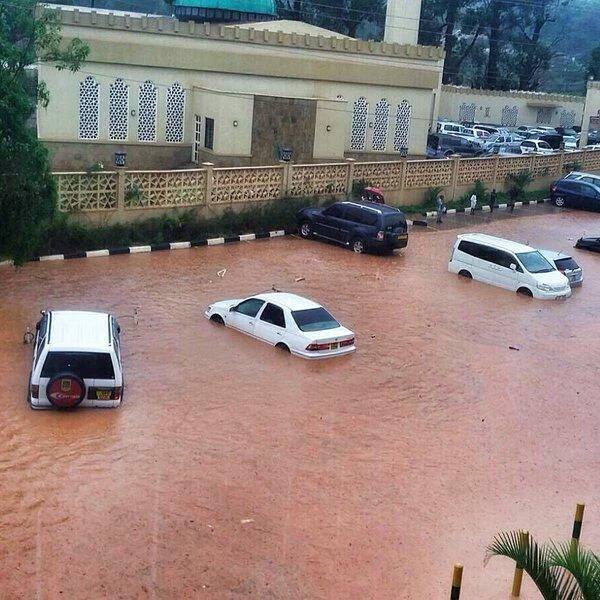
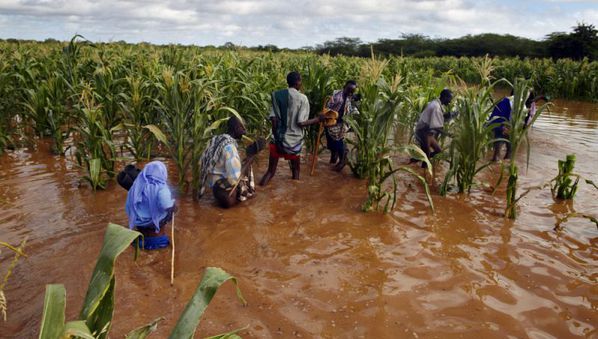
The Ministry said the increased rainfall could raise the risk of flooding, landslides, infrastructure damage, disease outbreaks and disruption of livelihoods.
Areas considered particularly vulnerable include low-lying and flood-prone communities, urban centres with poor drainage, river catchments, wetlands and mountainous areas prone to landslides.
The Ministry defines El Niño as a climate phenomenon caused by warmer-than-normal sea surface temperatures in the central and eastern equatorial Pacific Ocean, which can influence rainfall patterns in East Africa.
However, authorities said the strength and exact impacts of the anticipated El Niño event were still being assessed.
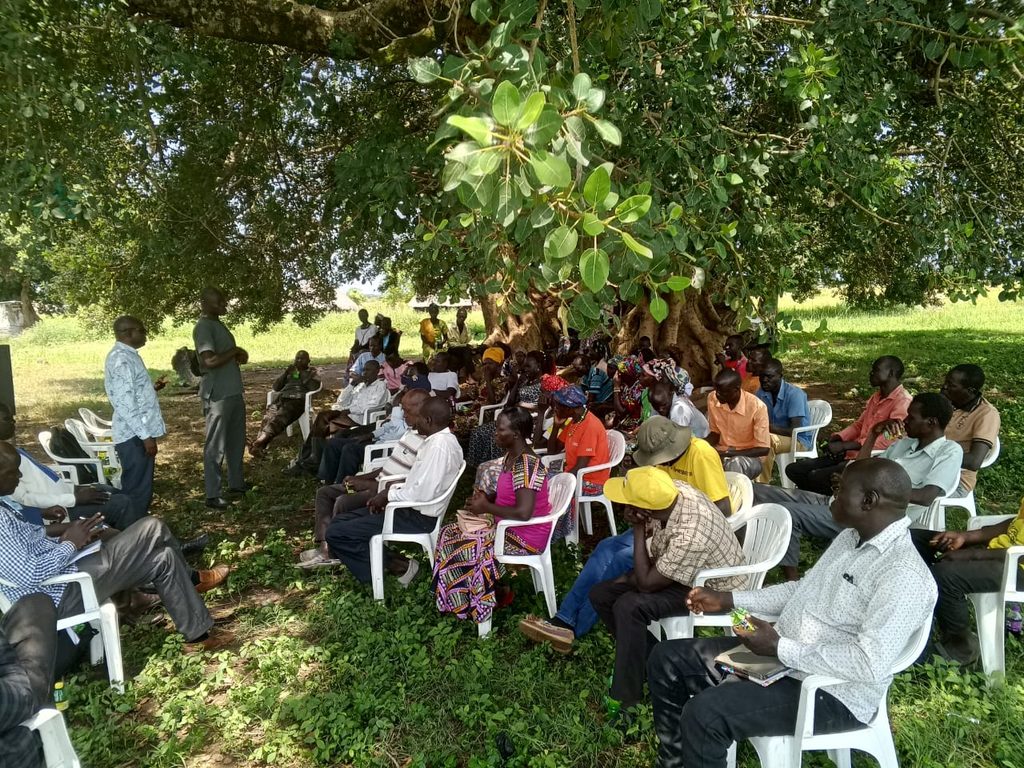
The Department of Meteorological Services said it would continue monitoring climate conditions and issue timely forecasts and early warnings to support preparedness.
Communities and local authorities have been urged to clear blocked drainage channels, keep flood pathways open, strengthen disaster response plans and avoid settling or cultivating in areas at high risk of flooding and landslides.
Authorities in the agriculture, health, transport, water and infrastructure sectors have also been advised to put contingency measures in place.
The Ministry urged the public to rely on official weather forecasts and climate information and avoid unverified reports.
The media has also been called upon to provide communities with accurate and timely weather information.
As Uganda approaches the September-to-December rainy season, residents in low-lying areas, near rivers and wetlands, and in mountainous regions have been urged to take preventive action.
The message from authorities is clear: prepare before the rains intensify. Clear drainage channels, avoid high-risk areas, share early warnings and act early.
Early warning and early action can save lives protect livelihoods and reduce disaster losses.