
 Speak FM
7 November 2026, 8:50 am

By Ekel Bonny Daniel
FOWODE’s advocacy and accountability engagements in Omoro District have resulted in the release of funds for a girls’ changing room at Tekulu Primary School. The development follows monitoring of schools and health facilities under the YATA Project, which seeks to improve gender-responsive service delivery and strengthen accountability.
Advocacy efforts by the Forum for Women in Democracy (FOWODE) have yielded results in Omoro District, with funds released for the construction of a girls’ changing room at Tekulu Primary School following concerns raised over inadequate menstrual hygiene facilities.
The development follows FOWODE’s monitoring and engagement with schools and health facilities under its Youth Action for Transparency and Accountability (YATA) project, which seeks to strengthen accountability and improve service delivery, particularly for women, girls and young people.
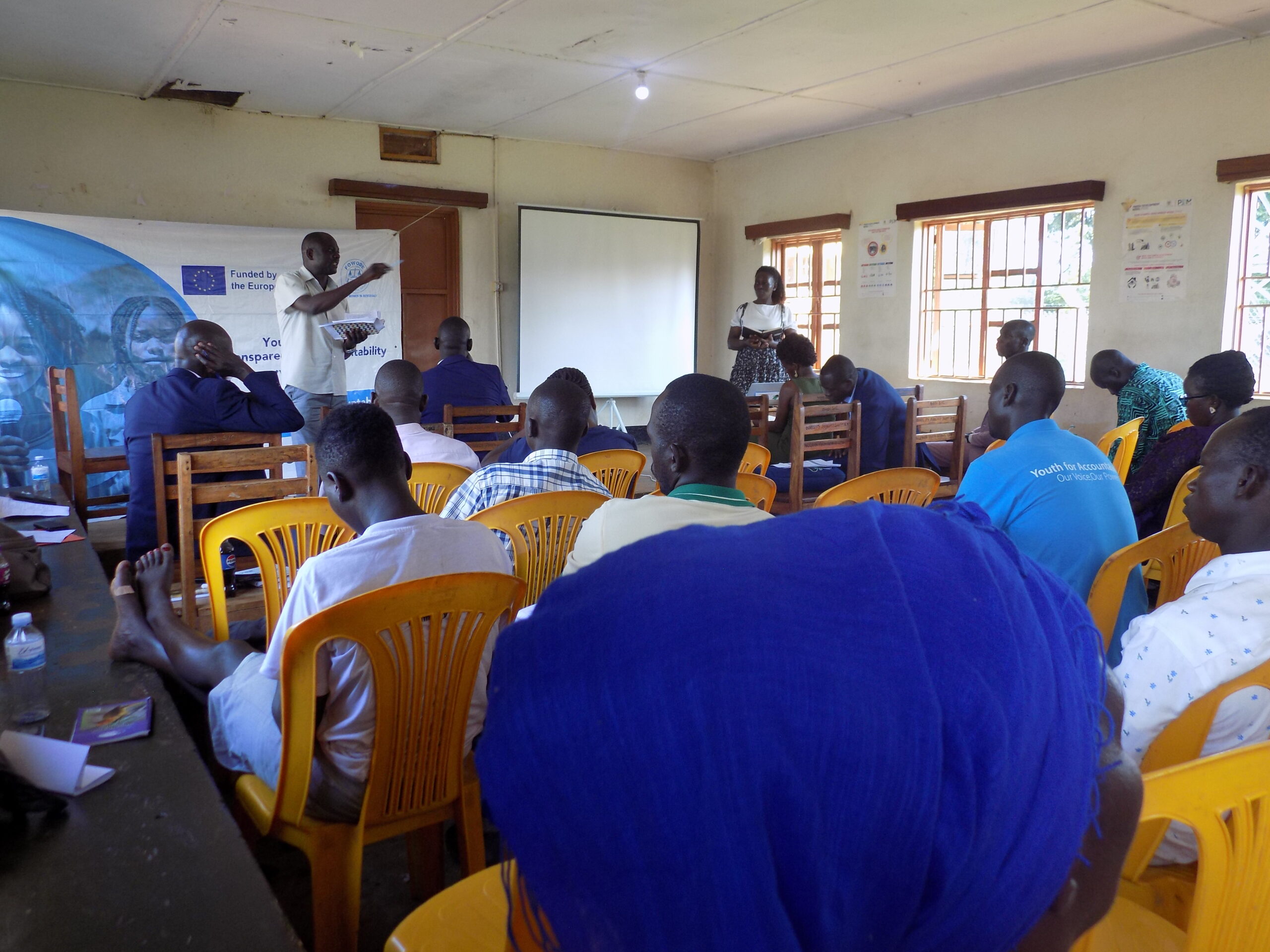
The funding was announced during the Omoro District Annual Accountability Forum held at Bobi Sub-county Hall, where district officials, local leaders and other stakeholders reviewed progress on commitments made during previous accountability engagements.
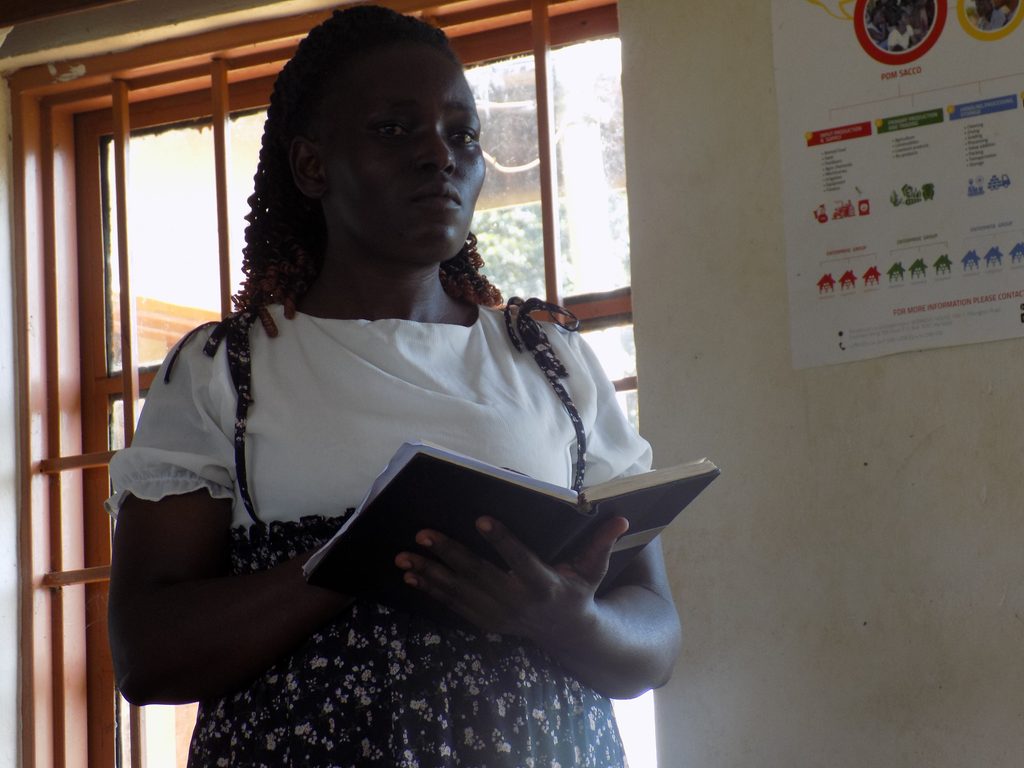
Presenting the monitoring findings, FOWODE Omoro District Field Officer Lillian Topaco said funds had been released for the construction of the changing room at Tekulu Primary School, which had been selected for the intervention in 2025 but had experienced delays.
The development marks progress in addressing menstrual hygiene challenges that affect girls’ comfort, dignity and participation in school activities.
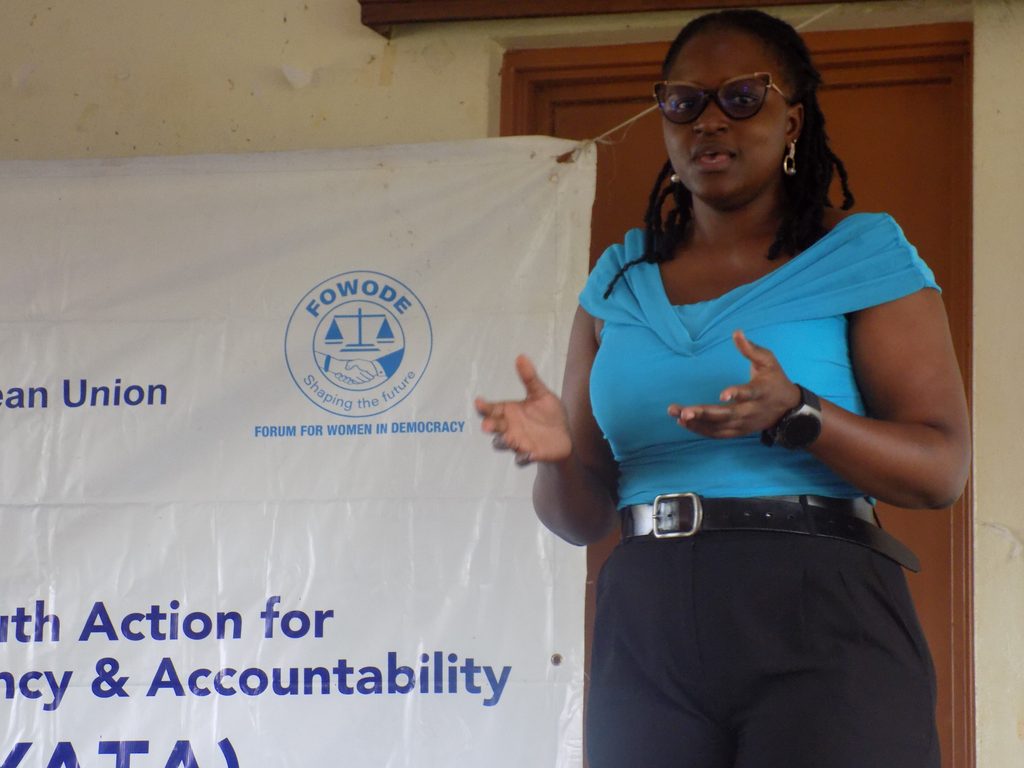
Speaking at the forum, Kauma Ruth Michelle, Programme Officer for the Women’s Leadership Programme at FOWODE’s Kampala head office, said the engagement was part of the organisation’s continued efforts to ensure that government commitments translate into tangible improvements in communities.
She explained that FOWODE had returned to previously monitored schools and health facilities in Aremo, Lakwana and Bobi sub-counties to assess whether leaders had acted on concerns raised during earlier engagements.
Although some progress had been registered, Kauma noted that persistent gaps in gender-responsive and youth-friendly service delivery remained.
Kauma emphasised that inadequate menstrual hygiene facilities, limited access to sanitary pads and poor school infrastructure continue to undermine girls’ education and may contribute to absenteeism and school dropout.
She added that FOWODE promotes gender-responsive service delivery to ensure that the needs of both women and men are considered in the provision of public services.
The district forum will also inform a regional accountability meeting scheduled for November 18, where the Ministries of Finance, Gender and Local Government are expected to be engaged on outstanding service delivery concerns.
Meanwhile, Omoro District Inspector of Schools Acura Fred raised concerns over inadequate staffing for school supervision, noting that the district’s 67 government-aided schools are served by only two designated inspectors.
He called for stronger parental involvement and collective efforts to address school dropout, teenage pregnancy and menstrual hygiene challenges.
On health service delivery, Ongom Robert, Assistant District Health Officer in charge of Environmental Health, representing the District Health Officer, said the Ministry of Health had directed districts to strengthen health inspections in schools.
He reported that Lanenober Health Centre III had two midwives and Bobi Health Centre III had three, adding that the district planned to recruit more health workers in the 2027/2028 financial year.
Bobi Sub-county LCIII Chairperson Kilama George called for closer monitoring of teaching standards and private education institutions to strengthen accountability and improve the quality of education.
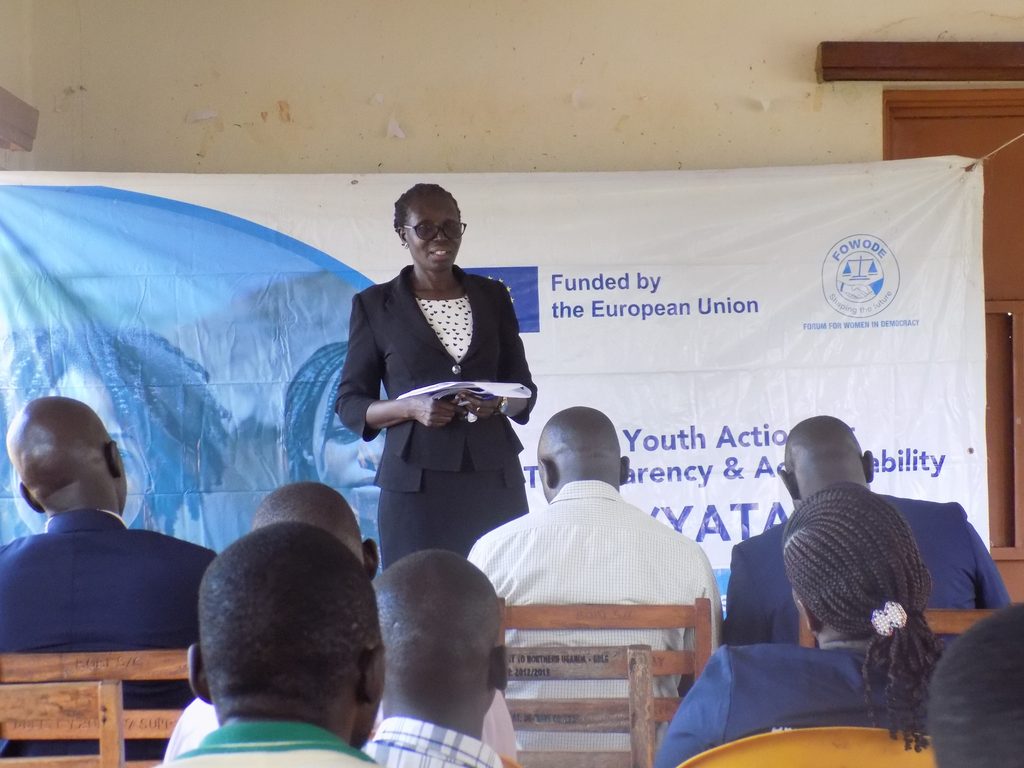
Principal Assistant Chief Administrative Officer Acan Susan Loum urged stakeholders to address the root causes of school dropout and strengthen collaboration to improve service delivery across the district.
With support from the European Union, the YATA Project, implemented by FOWODE, has strengthened community monitoring and advocacy, pushing duty-bearers to address service delivery gaps.