
 Speak FM
Speak FM
Speak FM
27 July 2026, 3:42 pm
By Tracy Anirwoth.
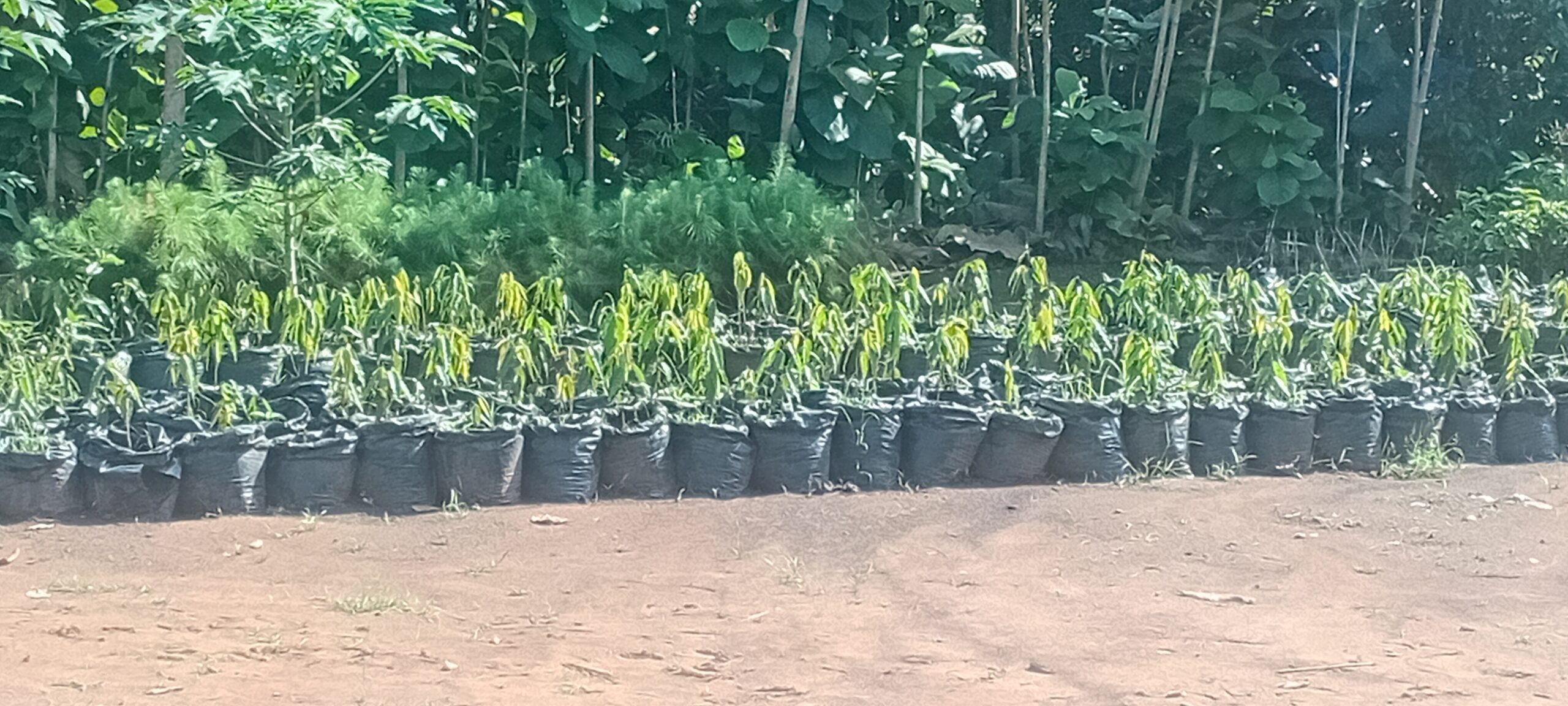
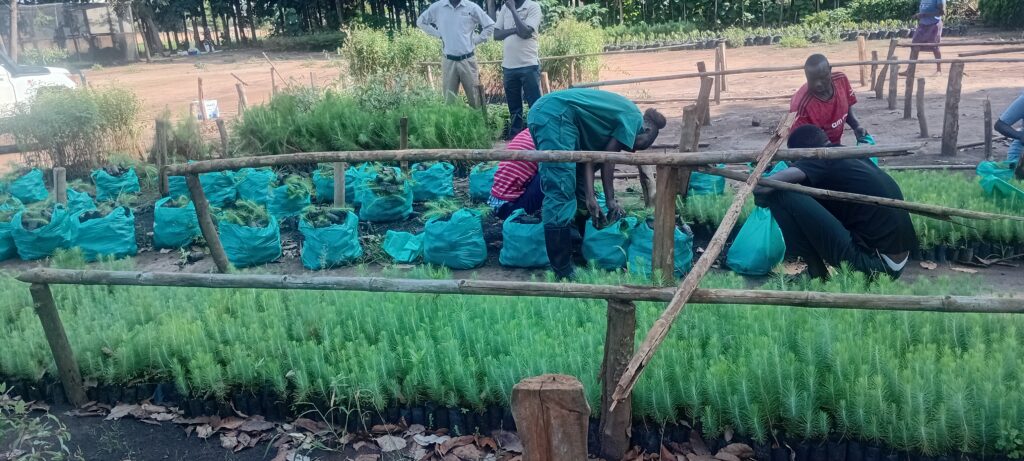
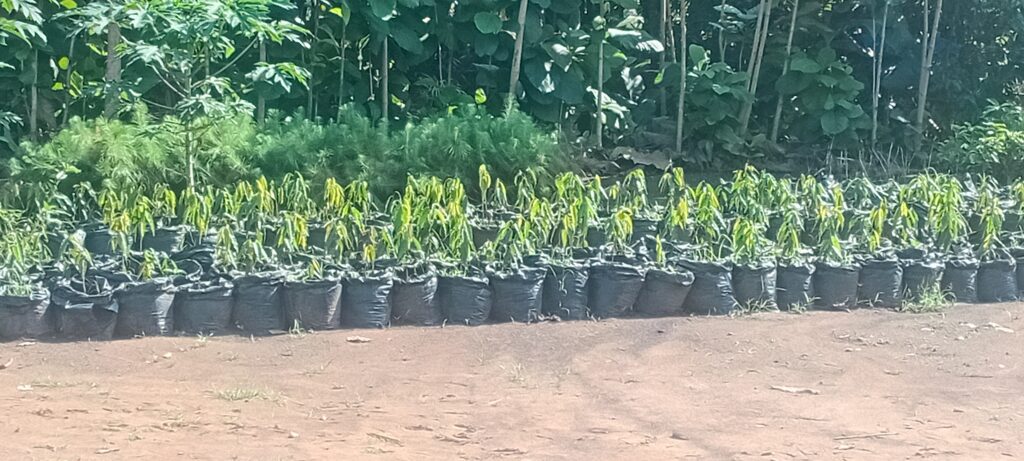
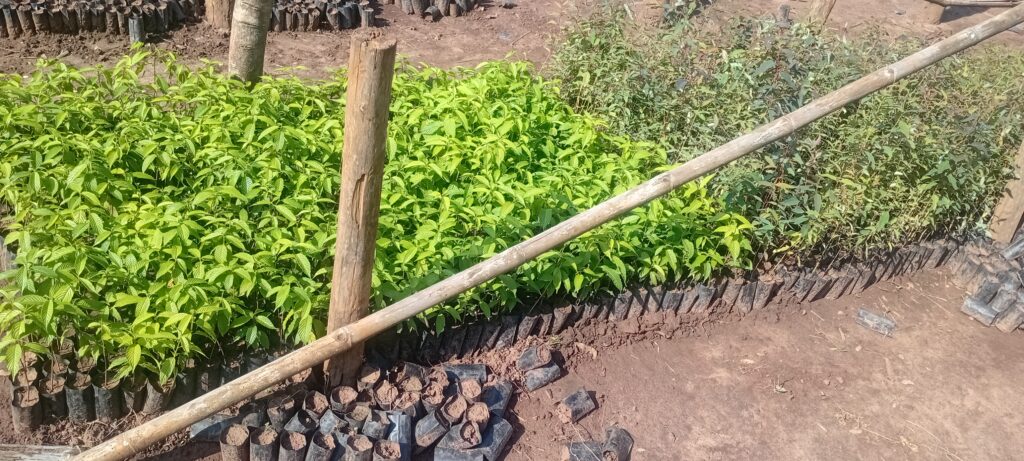
Communities across the Acholi sub-region have been urged to take advantage of the ongoing rainy season to plant more trees as a critical measure to combat the growing impacts of climate change and protect the environment.
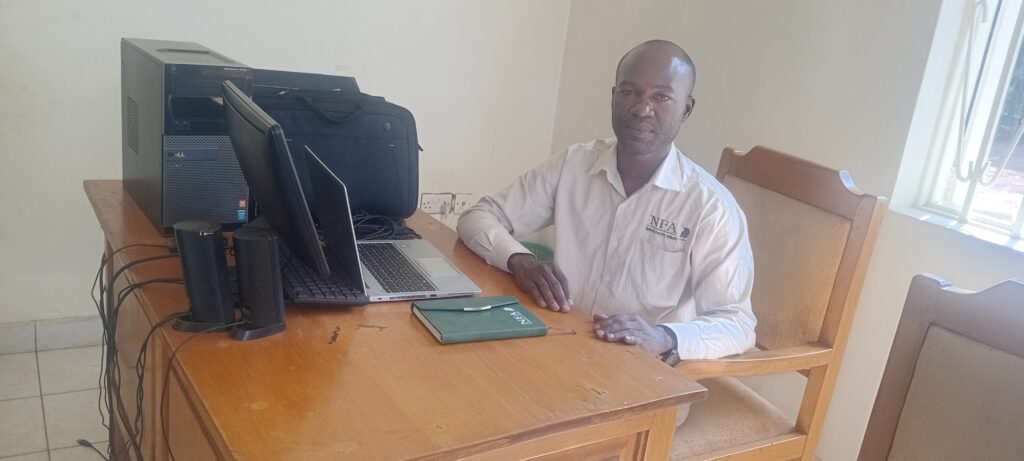
Speaking to our reporter from his office in Gulu city, Waniala Joseph, the NFA Forest Officer for west Acholi advised farmers to prepare their land immediately while the rainfall stabilizes. He noted that the region is already suffering from the severe effects of climate change due to widespread deforestation.
Joseph emphasized the importance of planting indigenous, long-term species such as Mvule and Mahogany, which can live for over 200 years.
Local leaders have also reinforced the call for environmental conservation. Opio Denis Oryema Junior, the LC1 General Secretary for Layibi Central Cell in Tegwana Ward (Laroo-Pece Division, Gulu City), highlighted that local village councils are actively working to curb illegal tree cutting.
He further educated residents on the ecological benefits of tree cover, explaining that trees aid in rain formation and help manage water levels in low-lying, swampy areas to prevent localized flooding.
In Omel Sub-county, Gulu District, the LC3 Chairperson, Ouma Vincent, expressed optimism about ongoing reforestation efforts. He voiced confidence that trees planted today will yield noticeable environmental benefits within the next five years.
He estimated that approximately 70% of households in Omel Sub-county have already engaged in tree-planting initiatives, urging the remaining community members to follow suit for a greener future.
Research and forestry monitoring indicate that over 50% of original forest cover in key hotspots like Gulu and Amuru districts has been lost. Nationally, around 80,000 hectares of forest are cleared annually for wood fuel and timber, with Northern Uganda bearing a heavy portion of this impact