
 Unity FM Lira
18 November 2026, 11:59 am
By Belmos Gom
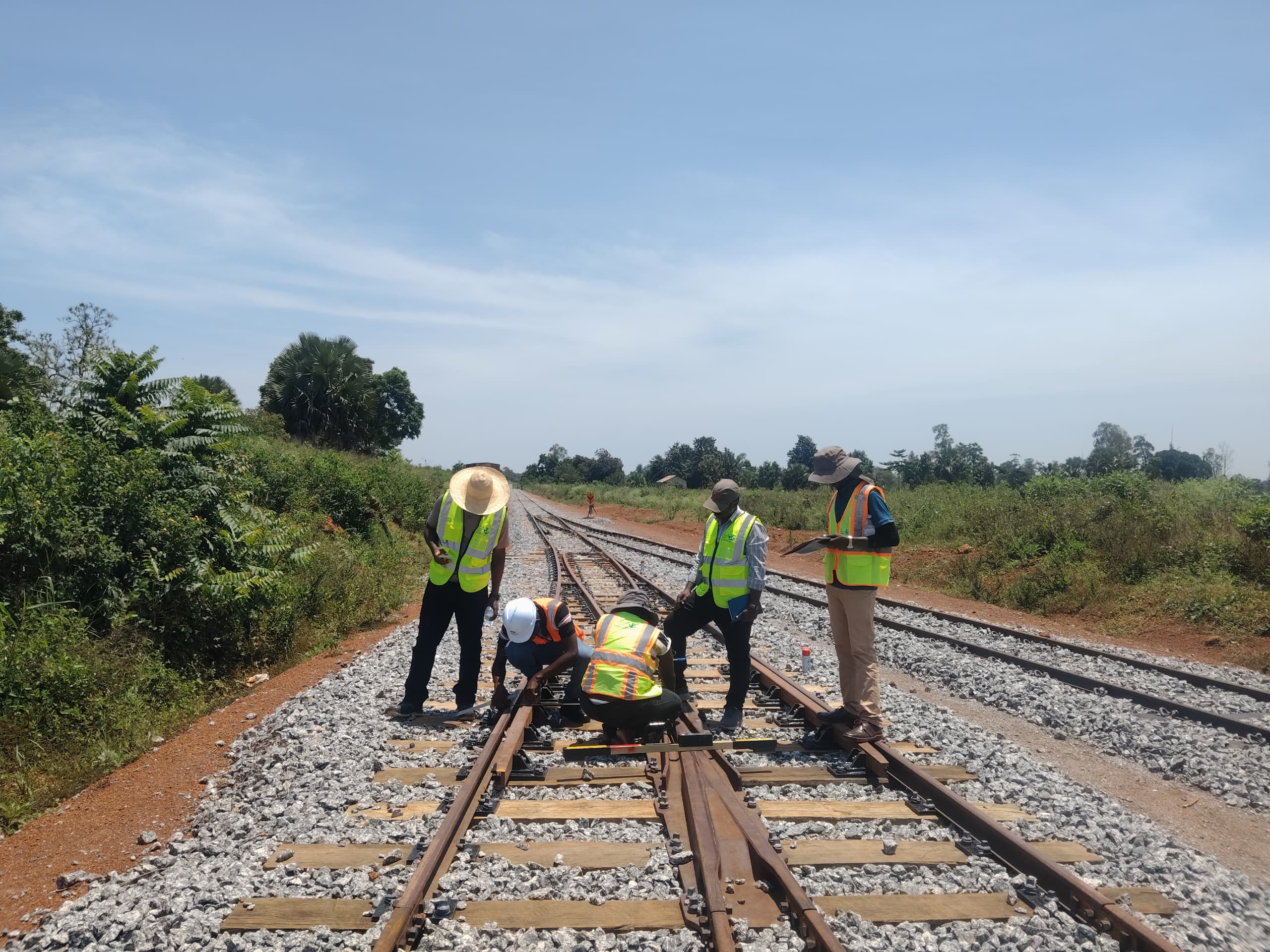
After decades without regular railway services, Northern Uganda is preparing to welcome back the train. Rehabilitation of the 375.4-kilometre Tororo–Gulu metre-gauge railway has reached 93 per cent physical progress. The contractor has pledged to complete the line by January 2027, paving the way for the return of regular services following the necessary safety checks.
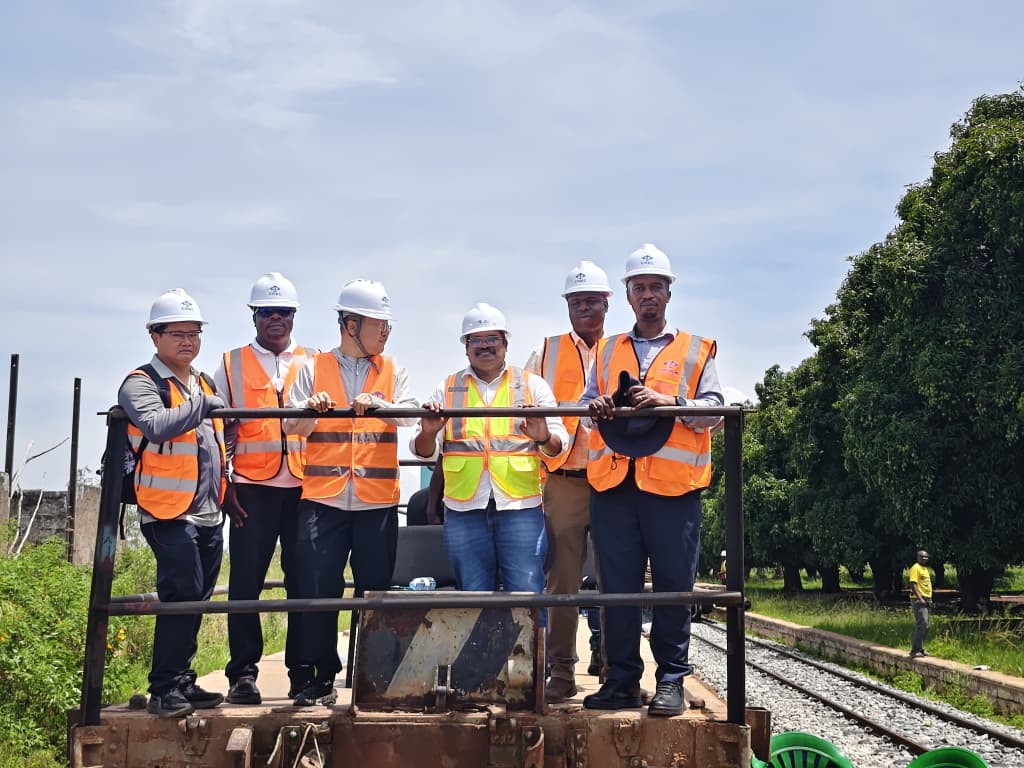
The project is being undertaken by China Road and Bridge Corporation (CRBC) for Uganda Railways Corporation (URC), the client. Supervision is being provided by LEA Associates South Asia Pvt. Ltd., in association with DENMAR Consulting Ltd.
Serving 15 stations, the railway passes through Tororo, Mbale, Bukedea, Kumi, Soroti, Alebtong, Lira, Oyam, Omoro and Gulu, reconnecting eastern Uganda with the Lango and Acholi sub-regions.
The Tororo–Kumi section is complete and is already being used by Hima Cement to transport cement. The Kumi–Lira section is nearing completion, with an engineering train travelling through the Alito area.
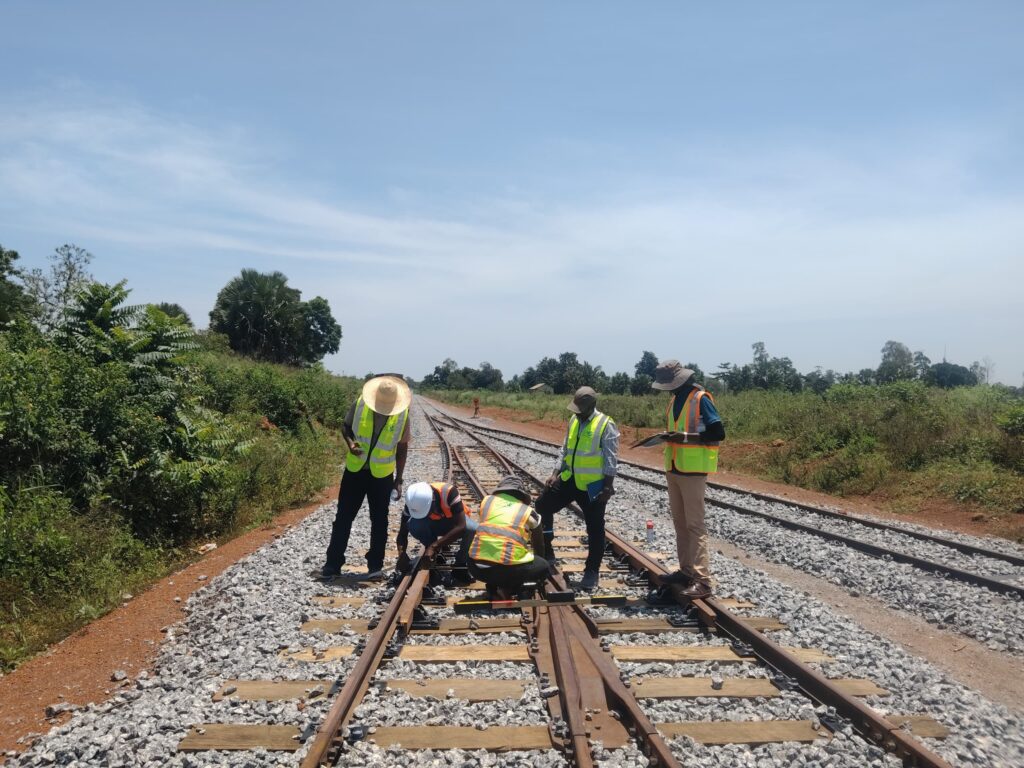
Between Alito and Gulu, crews are laying track and ballast and constructing drains, culverts and level crossings.
All five steel girder bridges have been rehabilitated, while the Awoja culvert and cofferdam are complete. Concrete road crossings have been completed, warning signs installed, and new turnouts are being added at stations, including Gulu.
Farmers in Alebtong, Lira, Oyam and Kole could transport maize, millet, cassava, sunflower and beans to larger markets more affordably. Traders in Lira and Gulu could also move merchandise and construction materials more efficiently, strengthening trade links with Kampala, eastern Uganda, South Sudan and the Democratic Republic of Congo.
The railway could stimulate employment and business opportunities in logistics, warehousing, loading, hospitality and retail.
Women and young people stand to benefit from jobs created by the project and commercial opportunities around railway stations. Increased freight transport by rail could ease pressure on roads and encourage investment in agro-processing. The project is also creating paid employment for women and strengthening their participation in the construction sector.
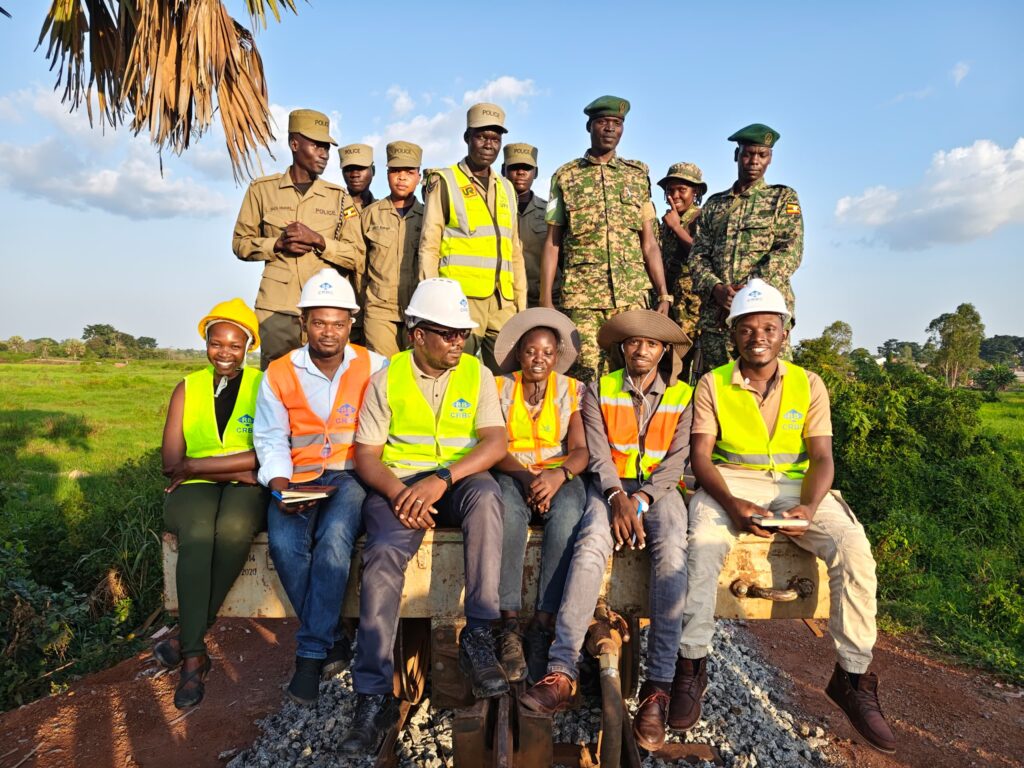
Implementation has faced funding constraints, heavy rainfall, flooding, difficult site access, and theft or vandalism of railway materials. Unsafe crossings and encroachment on the railway reserve also threaten the infrastructure and future operations. Since project teams use community roads to access the railway line, CRBC has pledged to repair selected damaged sections.
The contractor repaired several roads in Alebtong last year, and similar work has begun in Alito. The contractor and supervising team continue to sensitise communities through railway safety workshops and free HIV testing.
Residents are urged to use designated crossings, obey warning signs, keep children and livestock off the tracks, and never place objects on the rails. They must also avoid stealing or damaging sleepers, bolts, signs, bridges and other railway facilities, as well as building, cultivating or dumping waste within the railway reserve.
The return of the train is more than a transport milestone; it is an opportunity to reconnect Lango and Acholi to markets and other economic opportunities. As completion approaches in 2027, communities must protect this investment, support its benefits and make safety everyone’s responsibility.
The train is coming back. Northern Uganda, let us be ready!