
 Tembo FM
Tembo FM
Tembo FM
31 December 2025, 7:04 pm
By Otim Moses
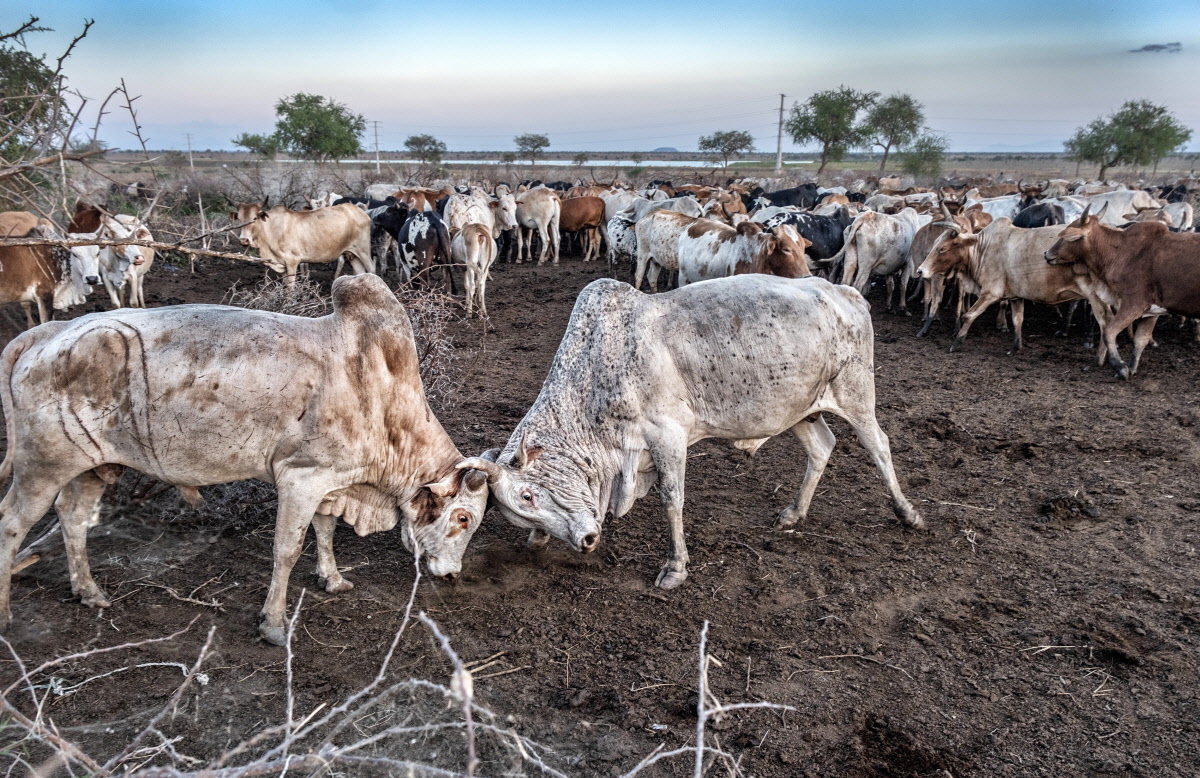
Animals kept in kraals in Kitgum District to protect them from Karamojong cattle raids are now struggling with the effects of climate change, particularly high temperatures and a prolonged dry season.
The kraals, which were established by security forces to safeguard livestock, are facing challenges as water and pasture continue to dwindle, forcing some livestock owners to remove their animals.
According to Mr Omoya Charles, a livestock owner from Palobolo Village, Palobolo Parish, Namokora North Sub-county, Kitgum District, climate change has severely affected animals due to the lack of water.
He explained that the area has only one dam, and animals are forced to travel about seven kilometres in search of water. Even when they return, they still appear thirsty.
Mr Omoya added that there are currently four kraals in the area: one managed by the local community; one owned by Nyangkole, who purchased the land; another owned by Hon. Sam Okwir Odwee, Member of Parliament for Moroto County, Alebtong District; and a fourth owned by Mr Ogira, who fled Orom Sub-county and resettled in Namokora due to fear of Karamojong cattle raiders.
He explained that when the kraals were first established, each held about 300 heads of cattle. However, numbers have since declined as some owners withdrew their animals due to extreme heat, diseases such as foot-and-mouth and blackquarter, and attacks by black flies.
He also said that there is currently no fresh grass for the animals, forcing some cattle keepers to burn grass in search of new pasture. This has resulted in low milk production, with residents, particularly Nyangkole, reporting shortages of milk.
Mr Omoya appealed to the Kitgum District local government and the central government to construct more dams, provide water during the dry season, and support timely vaccination of animals to prevent disease outbreaks.
Meanwhile, Mr Omoya Francis, a veterinary officer from Kitgum District, said there are currently no cases of foot-and-mouth disease in the district, but blackquarter is common during the dry season and affects livestock.
He explained that animal diseases are categorised into public and private diseases. When farmers organise themselves in groups of at least 50 people, the government can support them with vaccines.
He urged farmers to always vaccinate their animals, especially during weather changes, as diseases become more prevalent during dry seasons.