
 Tembo FM
Tembo FM
Tembo FM
30 January 2026, 10:26 am
By Otim Moses
Latest reports from 2024 and 2025 indicate that Northern Uganda is facing severe climate vulnerability, characterised by rising temperatures and increasingly erratic rainfall.
According to Uganda’s National State of the Environment Report 2024, the region is experiencing more frequent droughts, rapid natural resource depletion, and worsening environmental degradation. These changes are already contributing to food insecurity and declining household incomes.
The World Bank’s 2025 Country Climate and Development Report warns that, without urgent adaptation measures, Uganda could lose up to 3.1 per cent of its Gross Domestic Product by 2050.
Heat stress alone is expected to reduce labour productivity by 2.4 per cent, with farming communities in Northern Uganda among the hardest hit.
Reports from NEMA also highlight accelerating deforestation, bush burning, wetland encroachment, and ecosystem loss, while water flows in the Aswa River and Kidepo Valley basins have become increasingly unpredictable.
Meanwhile, consultations held in Gulu last November by UNDP emphasised the importance of youth involvement in biodiversity conservation and called for stronger support mechanisms, including a Loss and Damage Fund, to help communities adapt to the growing climate crisis.
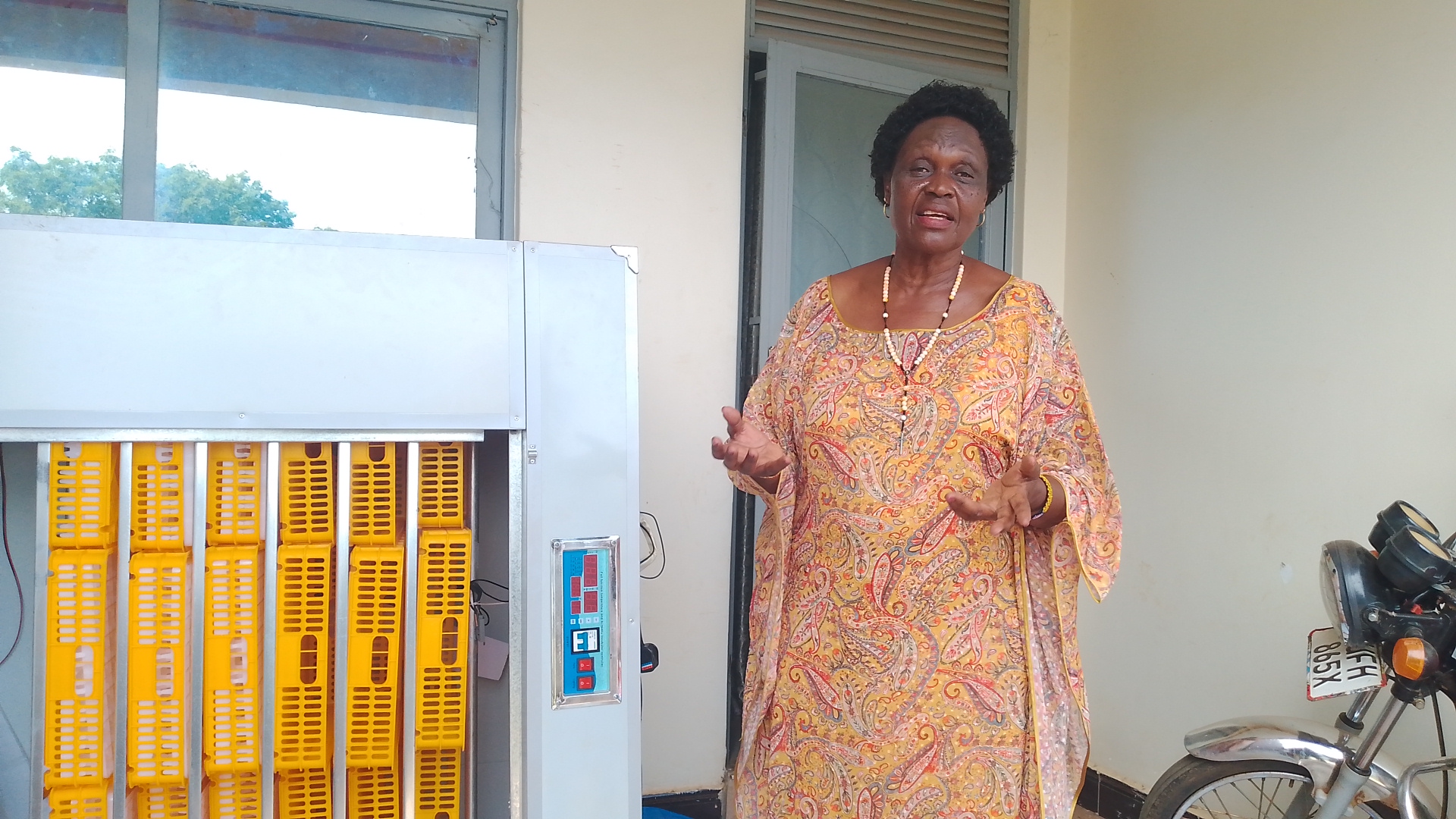
The State Minister for Water and Environment, Hon. Beatrice Atim Anywar, said she has already begun distributing improved cookstoves that use less charcoal as part of efforts to encourage communities to reduce tree cutting for charcoal production.
She also appealed to the public to explore alternative sources of firewood for brick making instead of cutting down mature trees. Additionally, the minister urged communities to stop bush burning for hunting, noting that the practice destroys the environment and wildlife.