
 Tembo FM
Tembo FM
Tembo FM
31 January 2026, 9:52 pm
By Otim Moses
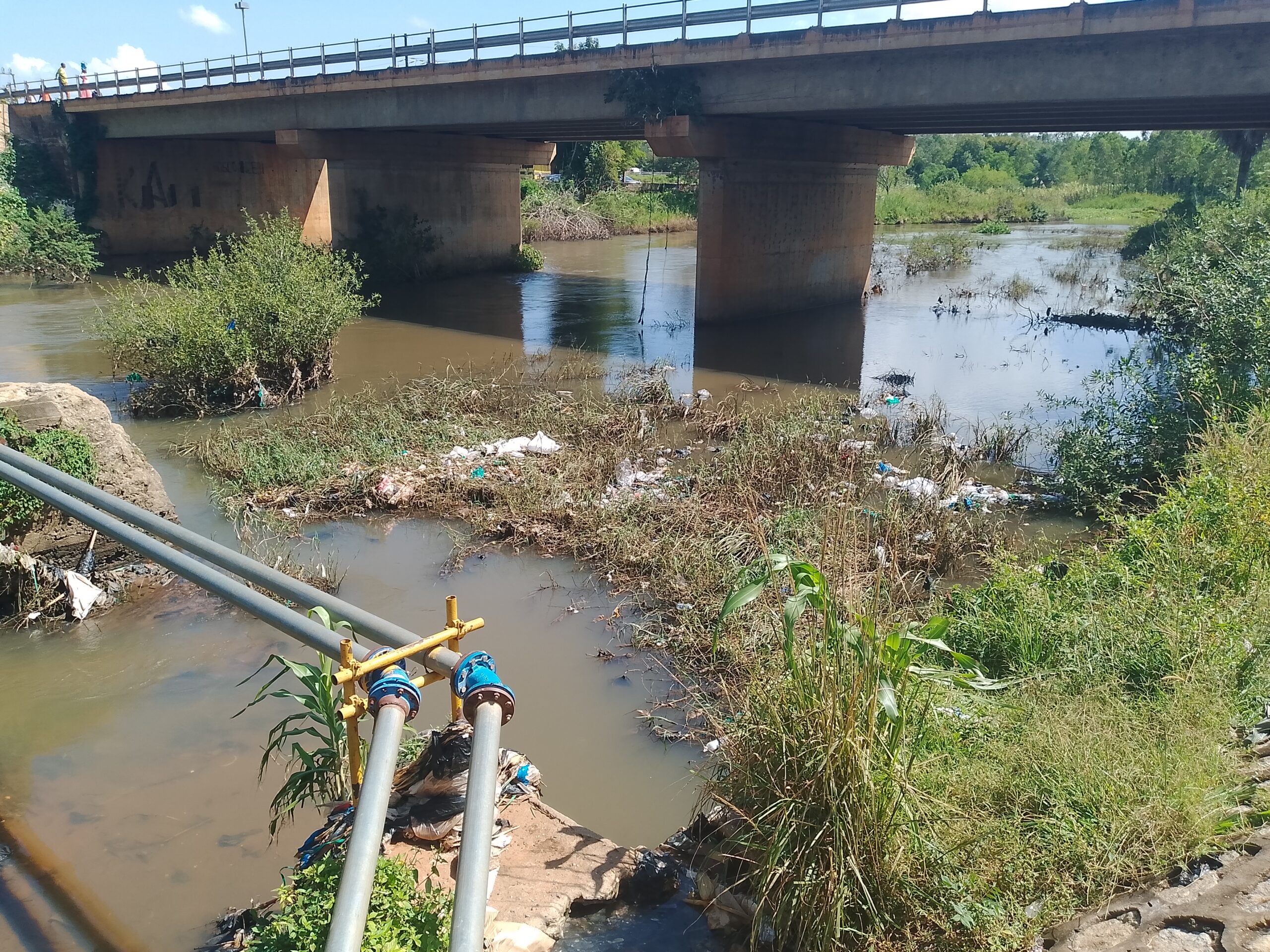
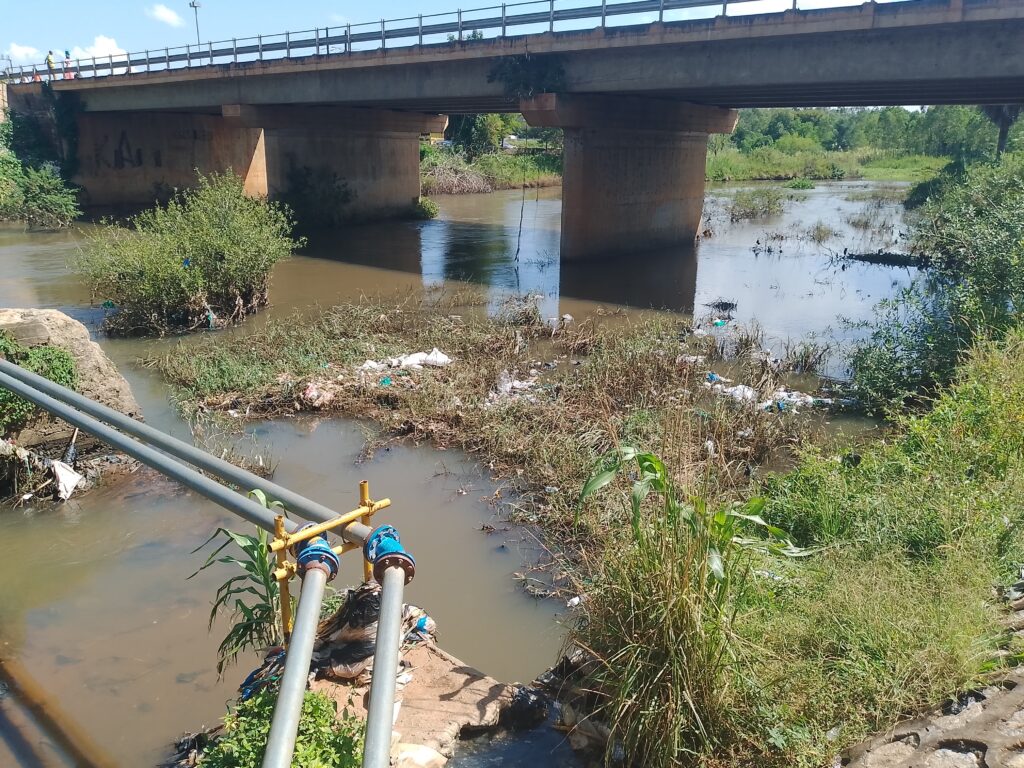
Pager River, one of Kitgum District’s most important water sources, is experiencing increasing environmental degradation due to unchecked human activity, rapid population growth, and weak enforcement of environmental laws, according to local observations and past research.
Over the past 10 to 20 years, growing population pressures have intensified human activity along the river, severely straining its surrounding ecosystem. Farming within riverbanks, quarrying, and widespread vegetation clearance have destroyed natural buffer zones that once protected the river from pollution and erosion.
Mr Goodman Oloya, Executive Director of Pamagara Research and Development Organisation in Kitgum, noted that, in the past, community environmental stewards played a critical role in regulating activities along Pager River. Their absence, he said, has allowed rampant encroachment, leaving the river vulnerable despite the presence of district environmental officers and the police environmental protection unit.
A 2014 study conducted by Pamagara Research and Development Organisation revealed that 87 per cent of residents believe Pager River water is safe for domestic use. However, environmental experts warn that this perception masks serious risks, as many community members lack awareness of chemical contamination and its sources.
Pollution of the river has been linked to several human activities, including improper disposal of medical waste, the use of fertilisers containing lead, and the operation of car-washing bays within the legally required 50-metre buffer zone. Environmental specialists caution that these practices threaten aquatic life and may be contributing to rising health problems associated with lead exposure among communities living along the river.
Several areas bordering Pager River, including Westland, Ogwalwo, and Lowaling, have also become increasingly prone to flooding. Environmental degradation has reduced the river’s natural capacity to absorb excess water, worsening flood risks during heavy rainfall.
Environmental advocates are calling for urgent intervention, including intensified community sensitisation, strict enforcement of buffer zone regulations, and allocation of dedicated funding for Pager River conservation. Proposed measures include restoring riverbanks through the planting of bamboo and indigenous vegetation, improving waste management systems, and cracking down on illegal excavation and quarrying activities.
Cultural leaders have also been urged to play an active role in promoting environmental conservation, while authorities are encouraged to enforce environmental laws through arrests and prosecutions where necessary.
Stakeholders further emphasise the need for additional research to better understand the long-term environmental, health, and social impacts of continued degradation of Pager River.
Without decisive action, experts warn that Pager River — a lifeline for many communities in Kitgum District — faces irreversible damage, with serious consequences for public health, livelihoods, and the local ecosystem.