
 Shine FM
Shine FM
Shine FM
18 March 2026, 12:20 pm
By Eman yonah oruk
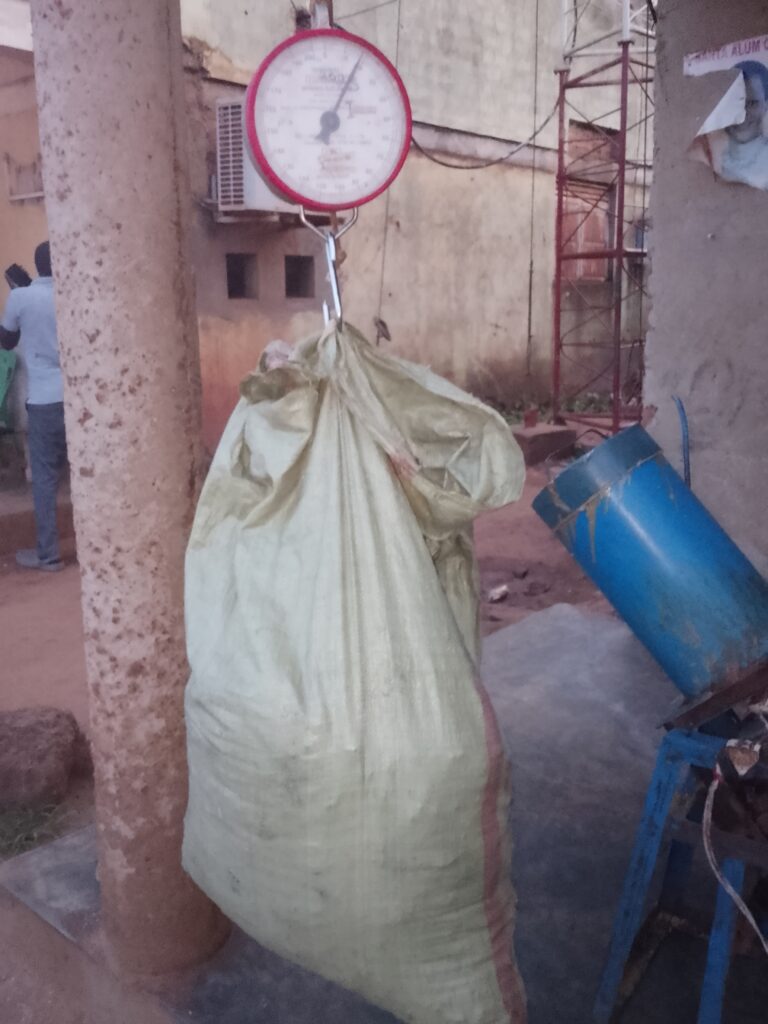
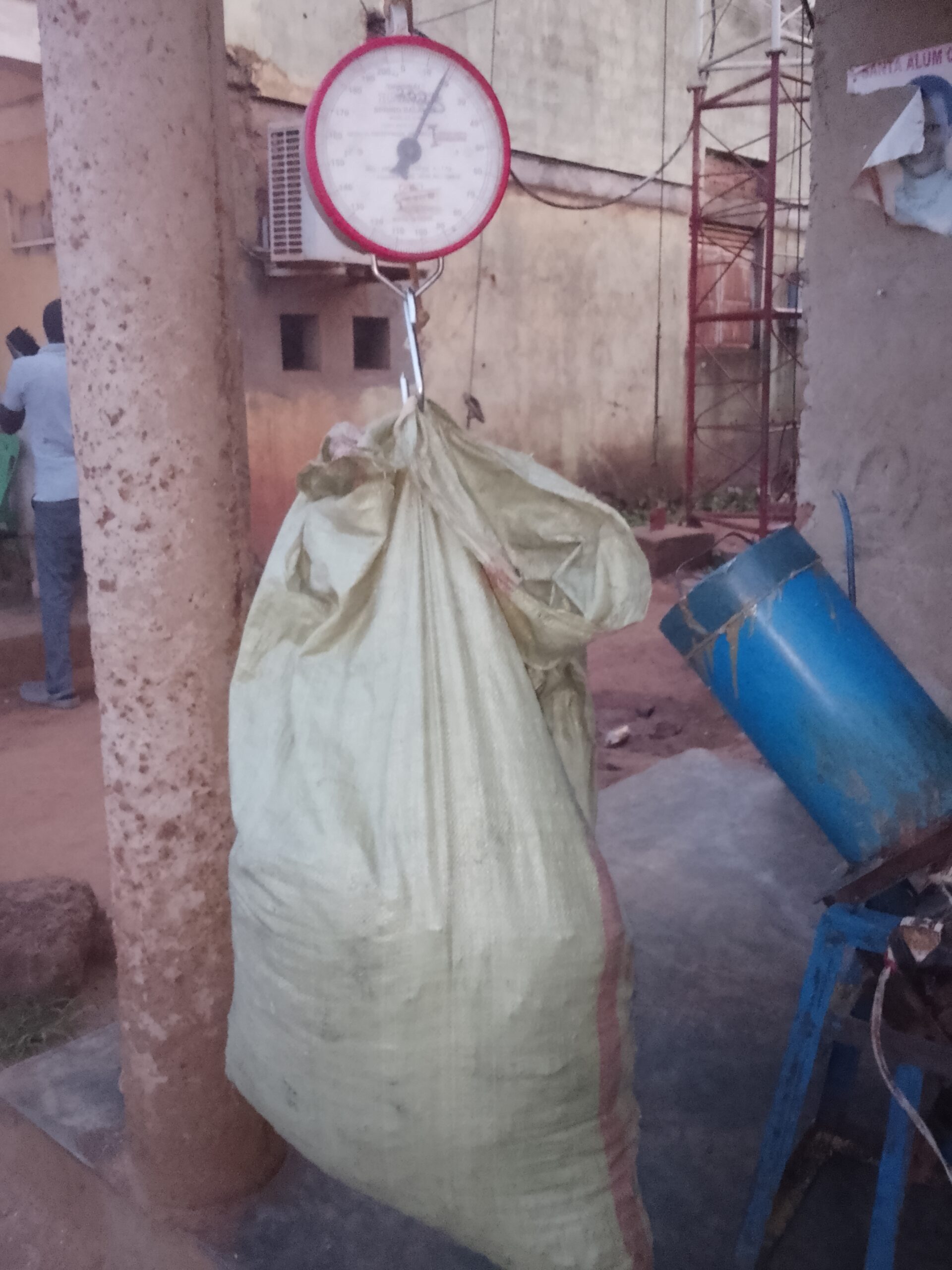
In the bustling markets of the Lango sub-region, where maize sacks tower and beans spill from baskets, a silent crisis is eroding livelihoods: inaccurate measurements. From faulty weighing scales to disputed land boundaries, the integrity of rural trade is under siege, leaving farmers, traders, and entire communities trapped in cycles of poverty.
Peter Ojok Okello, a farmer from Loro Adigo, knows the sting of unfair trade.
“Every season, I lose money because the weighing scales at the market cheat me. When I sell my maize, I am told it is 80 kilograms, yet in reality, it is more. These small losses add up and keep us poor,” he lamented.
For smallholder farmers, who form over 70% of Uganda’s agricultural workforce, such discrepancies are not minor inconveniences—they are existential threats. A study by the Uganda National Bureau of Standards (UNBS) in 2024 revealed that nearly 40% of weighing equipment in rural markets failed accuracy tests, costing farmers millions annually.
Mary Okello, a seed trader at Bario Market in Abok sub county oyam District, described how dishonest measurements ripple through the agricultural cycle:
“When farmers buy bean and maize seeds, they expect fair quantities. But dishonest measurements mean they plant less than they paid for. This reduces yields and discourages farmers from investing in quality seeds.”
The result is lower productivity, reduced food security, and declining confidence in
Walter Okello, a retired agricultural extension officer, emphasized the systemic impact:
“Accurate measurements are the backbone of agricultural trade. Without them, farmers cannot plan, traders cannot prosper, and rural economies remain trapped in cycles of poverty. The government and UNBS must intensify enforcement to protect smallholder farmers.”
According to the Ministry of Agriculture, Uganda loses an estimated UGX 120 billion annually due to inaccurate trade measurements—a figure that rivals the national budget for agricultural extension services.
The Uganda National Bureau of Standards (UNBS) has launched awareness campaigns and periodic inspections, but enforcement remains patchy. Certified weighing scales are scarce in rural markets, and land demarcation disputes continue to fuel conflicts.
UNBS spokespersons argue that strengthening regulation, subsidizing certified equipment, and community sensitization could transform rural economies. Yet, without consistent enforcement, dishonest practices persist.
Clan leader Walter Opio of the Ngura Puc clan framed the issue in moral terms:
“In our traditions, fairness is sacred. When weighing scales cheat people, it is not only an economic crime but also a moral one. Communities lose trust, and disputes arise. We must restore honesty in trade.”
Youth leader Benson ogwang,warn that unfair trade discourages young people from farming, pushing them toward urban migration.
Obanga Akica Women group in Chawente Sub county kwania District stress that mothers bear the brunt when household incomes shrink, leading to malnutrition and school dropouts.
Grace Akello, a youth activist from Oyam, added:
“If young people see farming as a place of exploitation, they will abandon it. Accurate measurements are not just about trade—they are about hope for the next generation.”