
 LUO FM
25 November 2026, 2:23 pm

By Geoffrey Okwong
Frequent power outages in Pader District are disrupting childbirth, surgical procedures and laboratory services, with some midwives reportedly forced to conduct deliveries using torchlight, the District Health Officer has said.
Dr. Benson Oyoo, the Pader District Health Officer, said unreliable electricity was affecting the delivery of essential health services, particularly in facilities that depend on power to operate medical equipment and preserve blood supplies.
Speaking to our reporter from his office on the 23rd November 2026, Monday, Oyoo said health workers sometimes have to improvise when electricity goes off during medical procedures, exposing patients and medical staff to additional risks.
He said doctors have experienced interruptions during operations, including situations where electricity goes off while a mother is on the operating table, affecting the functioning of anaesthetic equipment and forcing medical teams to seek alternative lighting.
Oyoo warned that such interruptions could compromise infection prevention during surgery because health workers may struggle to maintain sterile conditions when they have to stop procedures and look for light.
He said midwives in several health facilities have also had to rely on torches when attending to mothers during childbirth.
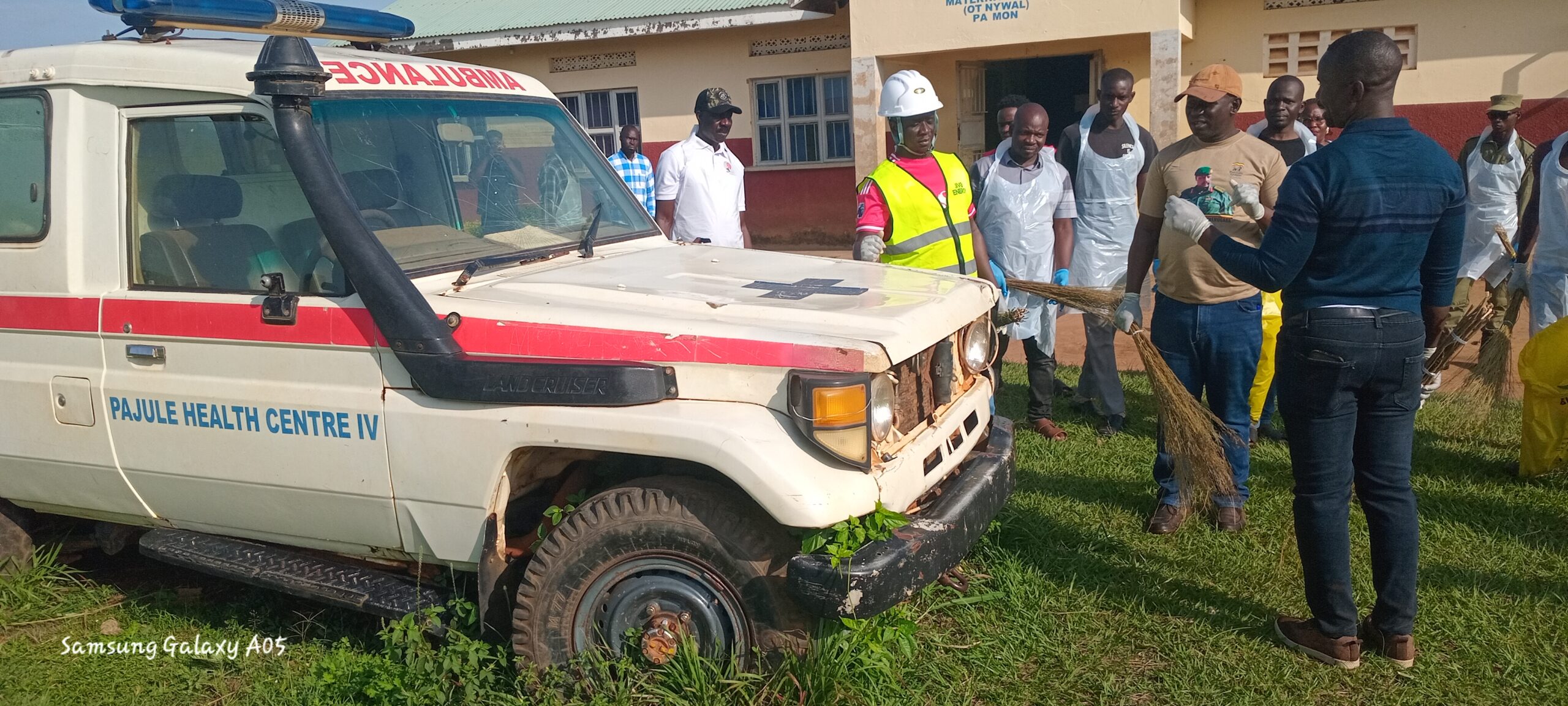
The DHO said the outages also affect laboratory services, particularly at facilities such as Pajule Health Centre IV, where electricity-dependent equipment, including GeneXpert machines and chemistry analysers, is used for diagnostic services.
He added that blood storage is another concern because blood refrigerators require uninterrupted electricity to maintain safe storage conditions.
Oyoo said the problem is not limited to one health facility, citing Lapul Health Centre III, whose transformer reportedly broke down about two years ago and had not been replaced by the time of his interview.
He also mentioned Ogom Health Centre, where electricity supply is affected whenever power goes off in the surrounding town.
At lower-level facilities, he said, nurses face difficulties attending to inpatients at night, while procedures such as inserting intravenous lines in children become more challenging in darkness.
Although some health facilities have installed solar power systems with support from development partners, Oyoo said maintaining the systems has become difficult as partner support has reduced and facility resources are limited.
The concerns come amid growing complaints from district leaders and electricity consumers over the reliability of power supply in the area.
Pader District Chairperson Alfred Akena said the frequent interruptions were affecting businesses, schools, security and the wider local economy, warning that unreliable electricity was undermining the development benefits expected from extending power to communities.
Speaking to our reporter at the district headquarters on Monday, Akena said he had written to UEDCL’s head office expressing concern about the situation but had not received feedback by the time of the interview.
He said the district expected the Electricity Regulatory Authority (ERA) to engage stakeholders during its anticipated visit to Pader on Thursday, November 26, 2026, and called for urgent intervention to address the persistent outages.
However, Samuel Ojwang, UEDCL’s Area Manager for Pader, attributed the frequent interruptions partly to growing electricity demand and an overstretched distribution network.
Ojwang said the number of electricity customers in the area had increased from 3,123 in 2023 to 6,453 currently, while the infrastructure had not expanded at the same pace.
He also cited faults in protection equipment along the network, explaining that malfunctioning switching devices make it difficult to isolate faults in particular sections, sometimes resulting in interruptions across wider areas.
Ojwang said UEDCL was undertaking maintenance and replacing faulty equipment, expressing confidence that electricity supply in Pader would stabilise by 2027.
Oyoo appealed to the electricity distributor to improve the reliability of supply and communicate planned interruptions in advance to allow health facilities to prepare.
He said health facilities need predictable electricity because sudden outages can disrupt services and leave medical workers struggling to attend to patients.
He urged the responsible authorities to find a lasting solution, saying reliable electricity is essential for safe and continuous healthcare delivery.