
 LUO FM
25 November 2026, 2:48 pm
By Geoffrey Okwong
Pajule Town Council has passed a hygiene and sanitation by-law aimed at improving public health and cleanliness in the town, with a health official estimating that about 70 per cent of illnesses presented at the health facility are related to hygiene.
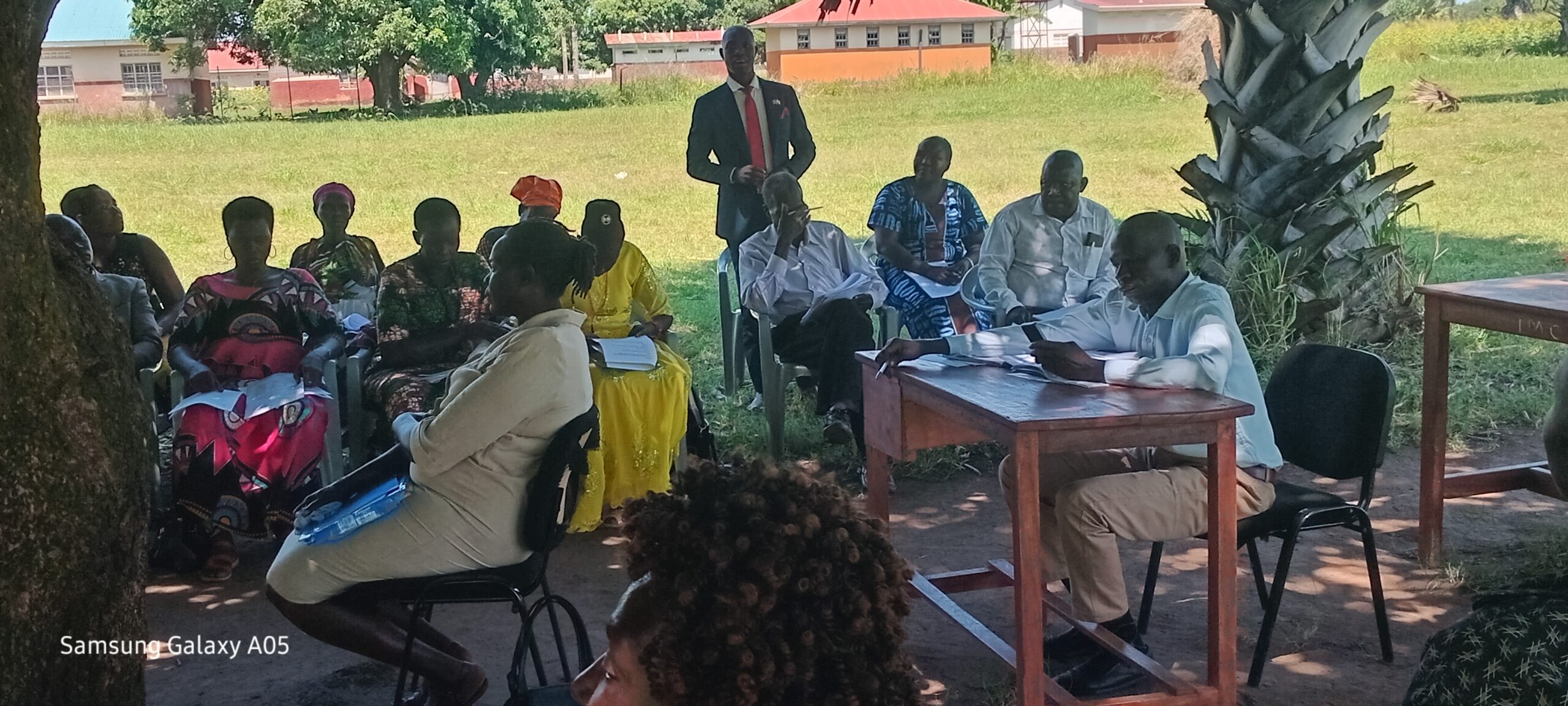
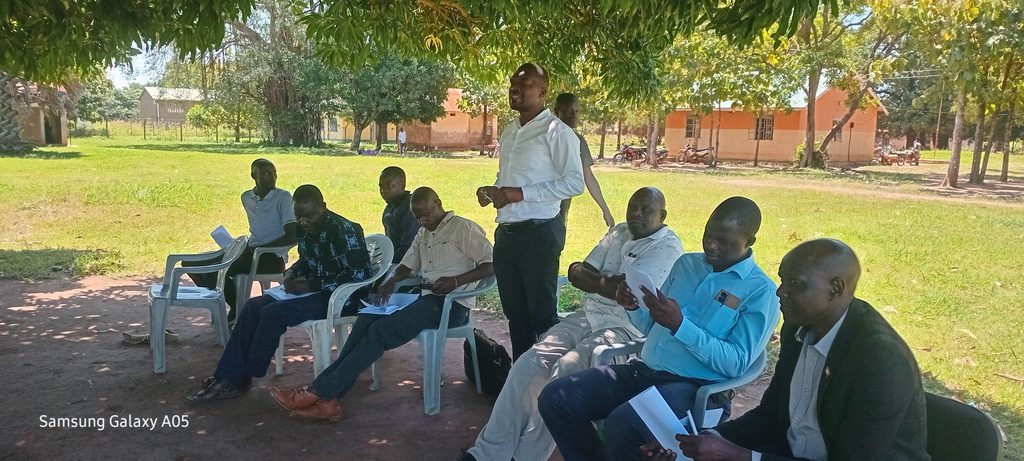
The Pajule Town Council Hygiene and Sanitation Model Cell By-Law Bill 2026 was debated and passed on Tuesday, November 24, amid concerns about poor sanitation and environmental cleanliness in the town.
The by-law is organised into three parts covering preliminary provisions, sanitation offences and penalties, and general principles governing its enforcement.
Part II outlines offences relating to community and home sanitation, sale of goods, weights and measures, food and hotel hygiene, obstruction and sanitation within shop and business areas, small industries and polluting activities, as well as livestock trade and consumption.
Dr Godfrey Okello, the in-charge of Pajule Health Centre IV, said poor hygiene remains a major challenge in the community, with reports from the health inspector indicating that residents have not adequately embraced environmental cleanliness.
Okello estimated that about 70 per cent of illnesses presented at the health facility are related to hygiene, saying the new by-law could improve sanitation and community health if properly enforced.
Samuel Ojok Okwera, Councillor V for Pajule Town Council and secretary for Social and Community-Based Services in Pader District Local Government, acknowledged the town’s poor sanitation, describing its environment as extremely dirty.
Okwera said the by-law was expected to improve hygiene in Pajule and called on residents and other stakeholders to embrace the initiative, which he said could make the town a model for other urban centres in the Acholi sub-region.
He said the by-law had been passed by council and was awaiting the mayor’s signature and further due diligence by the district chairperson before it could be publicised.
Bibian Akello, the female councillor for Pajule Town Council, said the by-law would also help regulate loud music, reduce disturbances to residents and encourage households without toilets to construct them.
Akello pledged to support its implementation and called for local council leaders to be involved in enforcement, saying their participation would make it easier to ensure residents comply with the regulations.
Paul Otto Komakech, the Vice Chairperson LCIII of Pajule Town Council, said community ownership would be key to the success of the by-law.
He said council had consulted different stakeholders, including local and cultural leaders, before developing the regulations, adding that cultural leaders had supported the initiative.
Komakech proposed a town-wide sensitisation meeting involving residents and leaders before enforcement begins, saying people need to understand the provisions and importance of the by-law to embrace it and put it into practice.
He expressed optimism that the initiative could be adopted by other areas in the region and country.
Grace Aryemo, the female area councillor for Gwili Ward and secretary for Finance and Administration, said the by-law would also address concerns over the handling of animal products meant for public consumption.
Aryemo said slaughtering and handling practices had not been adequately observed in recent years, prompting council to come up with regulations to improve the handling of animals and meat intended for consumption.
She also called for regular inspections of eating establishments, raising concerns about food handlers whose health could pose risks to consumers.
The by-law also outlines general principles governing enforcement, including punishment for breaches, principles to be observed by enforcement teams, prohibited practices, appeals and the use of money collected under its provisions.
However, its effectiveness is expected to depend on public sensitisation, community cooperation and the ability of town council authorities to enforce the regulations.