
 Tiger FM
Tiger FM
Tiger FM
7 February 2026, 6:57 pm
By Ronald Ssemagonja
The Ministry of Water and Environment has released the national weather update for February 2026, advising the public—particularly farmers—to make proper use of any rainfall received during the month.
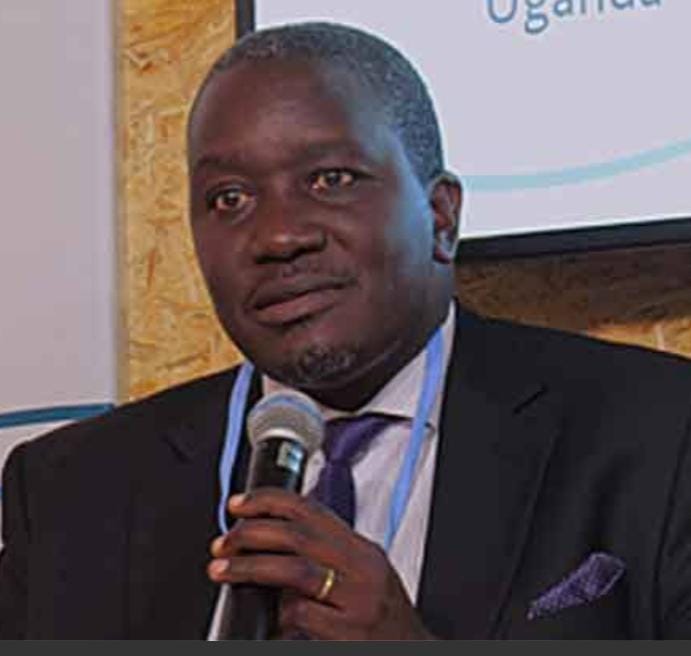
Speaking yesterday through the Permanent Secretary, Dr Alfred Okot, the ministry noted that February is traditionally a dry month in Uganda, although some rainfall has already been recorded in parts of the country. He explained that the timely release of this update responds to longstanding concerns from farmers, who have previously requested early forecasts to better plan their agricultural activities.
Dr Okot said that during February, the Inter-Tropical Convergence Zone, which influences rainfall, is usually positioned in the south-western part of the equator. This positioning typically results in a primary dry season across most of Uganda. However, due to interactions between semi-permanent high-pressure systems and local atmospheric conditions, some areas—particularly in central and southern Uganda—have experienced intermittent rainfall.
According to the forecast, parts of south-western Uganda and areas around Lake Victoria are expected to continue receiving occasional rains up to mid-February. Despite this, the ministry cautioned that such rainfall should not be interpreted as the start of a reliable wet season.
Dr Okot further warned of potential climate-related hazards this month, including rising temperatures, crop failure due to prolonged dry spells, and isolated flash floods in certain areas. He emphasised the need for preparedness and timely action to minimise risks while taking advantage of any favourable weather conditions.
The Ministry of Water and Environment pledged to continue closely monitoring weather patterns and issuing regular updates to help communities build resilience against climate variability and protect livelihoods.
Dr Okot also urged the public to rely solely on official weather updates from the ministry, reminding them that it is the government’s mandated institution for climate and weather monitoring in Uganda.