
 Tiger FM
Tiger FM
Tiger FM
1 February 2026, 8:15 pm
By Ronald Ssemagonja
Women and girls have been encouraged to prioritise their health, as the exact cause of uterine fibroids remains unknown.
Speaking during a health-focused interview with journalists in Kampala, Dr Fred Kakooza of Kiruddu National Referral Hospital explained that, although fibroids are common among women, their precise origin has not yet been scientifically established.
Dr Kakooza warned that many women continue to die from preventable diseases simply because they ignore medical advice or delay seeking treatment. He emphasised the importance of regular medical check-ups and early diagnosis.
“The exact cause of fibroids remains unknown. The initial trigger that causes abnormal and excessive growth of uterine muscle cells has not yet been clearly identified. None of the proposed factors fully meet the scientific criteria required to be considered a proven cause,” Dr Kakooza said.
He compared fibroids to malaria, noting that malaria has a clear and consistent cause—the plasmodium parasite—which must be present before someone falls ill. However, with fibroids, different studies point to different possible causes, making it difficult to pinpoint a single factor.
Dr Kakooza further explained that many women with fibroids report a family history of the condition, suggesting a possible genetic link. He added that about 40 per cent of fibroid cases show some form of chromosomal abnormality, particularly involving chromosome 6, which plays a role in immunity, inflammation, and cell regulation.
He urged women to undergo regular medical examinations, stressing that fibroids are treatable if detected early.
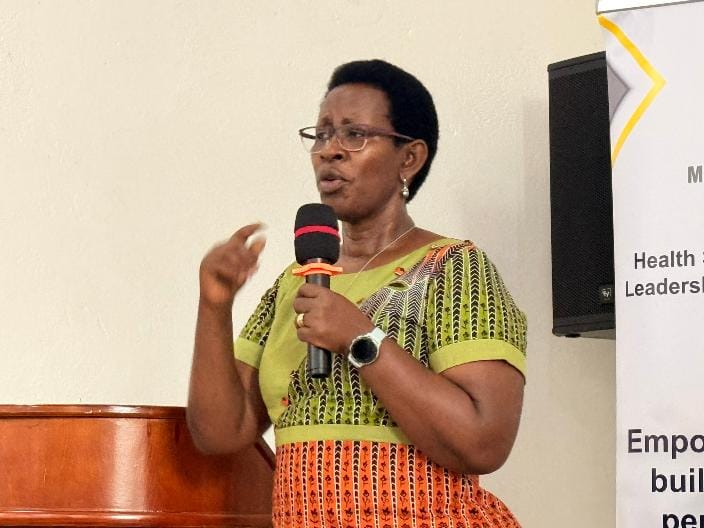
Meanwhile, the Permanent Secretary of the Ministry of Health, Dr Diana Atwine, reiterated the importance of routine health check-ups, especially in government hospitals.
She warned that waiting until symptoms become severe often makes treatment more complicated and expensive.
“Once you are diagnosed with a disease early, you can understand how to manage it. But if you remain unaware, the disease may worsen until it becomes too late,” Dr Atwine said.
She encouraged Ugandans to visit health facilities regularly to monitor their wellbeing and receive timely medical advice.