
 Tiger FM
Tiger FM
Tiger FM
4 June 2026, 10:58 am
By Ronald Ssemagonja
Article 80 of the 1995 Constitution of Uganda provides that a person qualifies to be a Member of Parliament if he or she is a Ugandan citizen, a registered voter, and has attained the minimum educational qualifications prescribed by law. Article 113 further states that Cabinet ministers are appointed by the President, with the approval of Parliament, from among Members of Parliament or persons qualified to be elected as Members of Parliament.
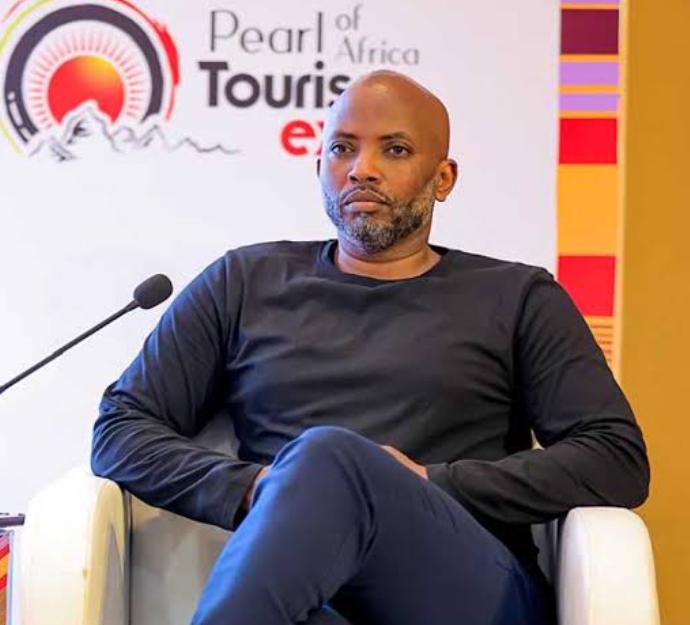
It is against this constitutional backdrop that Dr. Lawrence Muganga, the Vice Chancellor of Victoria University, appeared before Parliament’s Appointments Committee earlier this week after being appointed State Minister for Internal Affairs by President Yoweri Museveni. However, his nomination was rejected over concerns regarding his citizenship status.
The Appointments Committee, chaired by Speaker Jacob Marksons Oboth Oboth and deputised by Deputy Speaker Thomas Tayebwa, reportedly found that Dr. Muganga had failed to provide sufficient evidence that he had renounced his foreign citizenship. Committee members were therefore not convinced that he met the legal requirements for appointment to the ministerial position.
Speaking to journalists after the vetting process, Dr. Muganga described the decision as discriminatory. He maintained that he is a Munyarwanda by tribe, one of Uganda’s indigenous communities, and argued that this identity should not be confused with Rwandan nationality. He further said that his commitment to Uganda is reflected in his contribution to the country’s education sector.
“Before I came here, I definitely had two citizenships — Ugandan citizenship and Canadian citizenship. Many Ugandans have dual citizenship. But that does not take away one’s love for the country. I am Ugandan. Uganda is my country. Ndi Munyarwanda, and Banyarwanda are among the tribes in Uganda. That is a simple fact. I am not Rwandese,” Muganga said.
The rejection has reignited debate over whether Uganda’s Constitution expressly bars dual citizens from serving as ministers. Prominent lawyer Rashid Ssemambo recently argued that the Constitution does not explicitly prohibit dual citizens from holding ministerial office and that any statutory restriction should be weighed against broader constitutional guarantees.
Reports indicate that other ministerial nominees who faced questions regarding dual citizenship were approved after presenting evidence of steps taken to comply with the law. These include Ambassador Adonia Ayebare, appointed Minister of Foreign Affairs, and Calvin Echodu, who also underwent scrutiny over his citizenship status during the vetting process.
The controversy is likely to fuel further legal and political debate on the relationship between dual citizenship and eligibility for high public office, particularly as Uganda continues to embrace dual citizenship while maintaining restrictions on certain constitutional and security-sensitive positions.