
 Tiger FM
Tiger FM
Tiger FM
7 May 2026, 10:08 am
By Ronald Ssemagonja
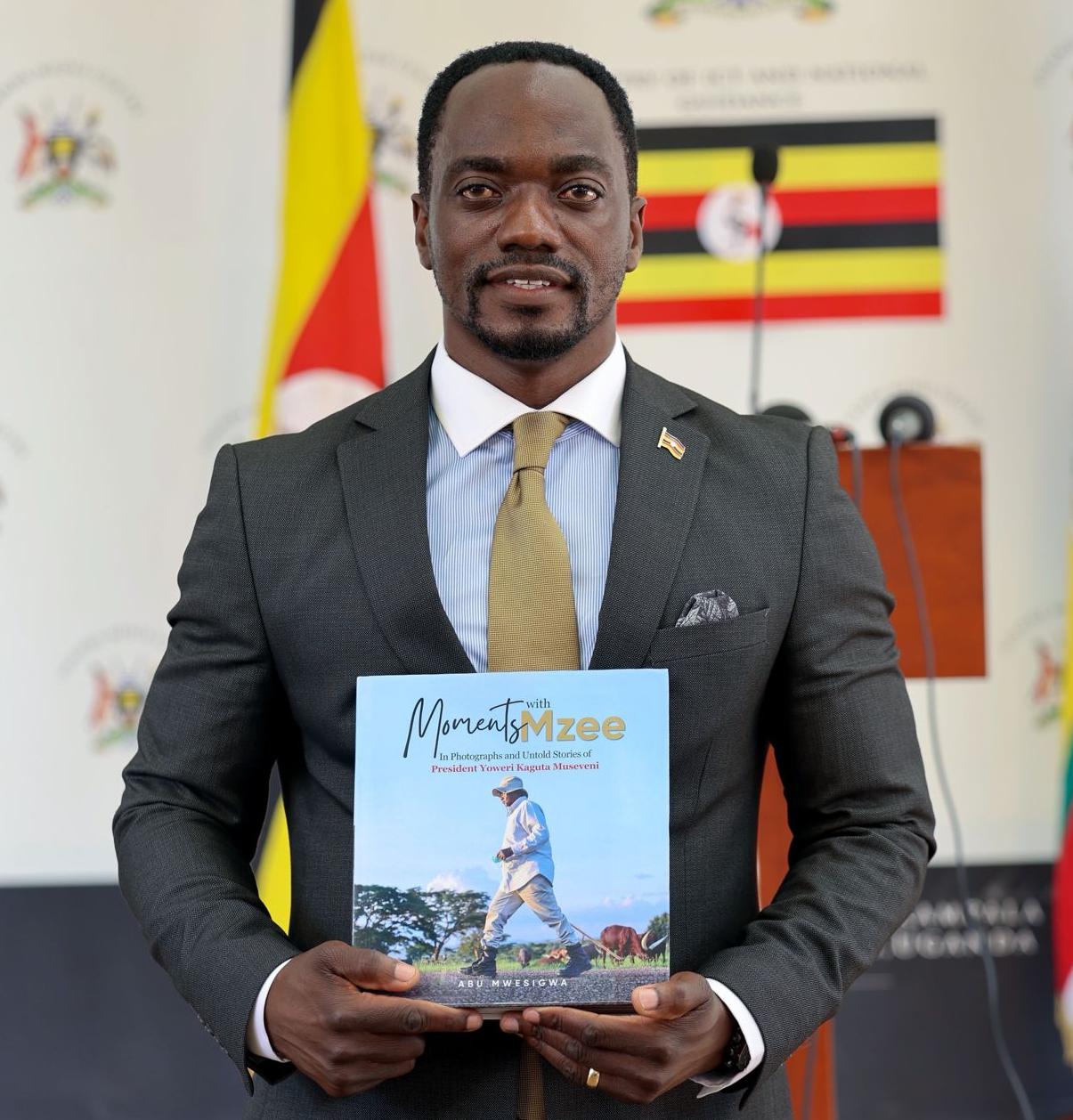
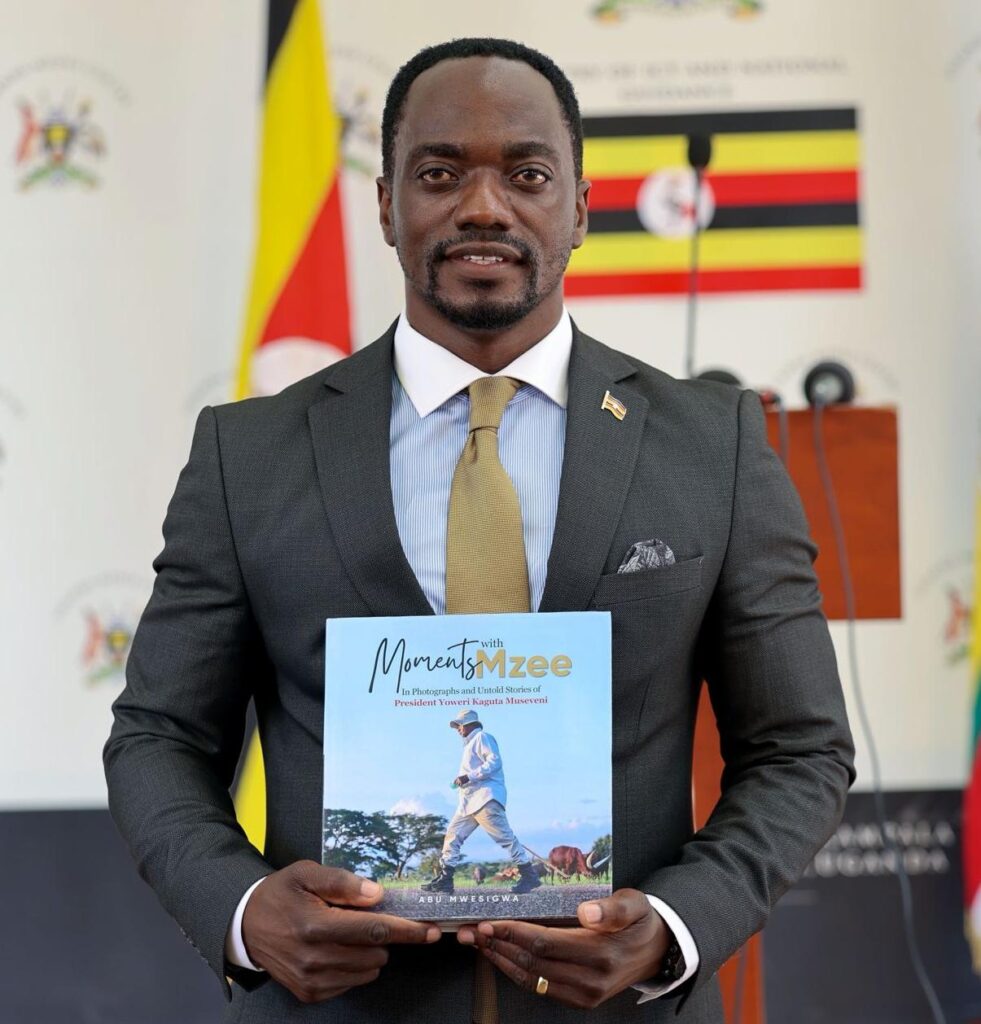
The Official Photographer to President Yoweri Museveni, Abu Mwesigwa, has shared some of the hidden moments of the President captured over the past 12 years in which he has worked closely with him.
Through a book titled Moments with Mzee, Mr Mwesigwa, while briefing journalists yesterday at the Uganda Media Centre, highlighted some of the moments featured in the book, which is set to be launched soon at Kampala Serena Hotel.
Mr Mwesigwa noted that many people take photographs and videos but fail to properly archive or preserve them. He said this inspired him to set an example, particularly for those in the media fraternity and photography enthusiasts, by documenting important moments in book form.
“When you speak about countries that have been well documented, Uganda is still lagging behind. The idea goes back to the periods of civil wars and colonial times. When many foreigners left the country, they took away a lot of valuable work because most of them were professionals involved in filming, research and book writing. During the civil wars, many homes were broken into and offices burnt, leading to the loss of important records and documentation,” he said.
“I decided to set the pace for all of us because many people have millions of pictures on their phones and cameras. Documentation is very important. I started with President Museveni, telling my story while also telling the story of the man himself through pictures and moments people rarely get to see. These are moments that happen around the President that the public never gets to witness. I have been compiling them for the past 12 years,” Mr Mwesigwa added.
The book will be launched at Kampala Serena Hotel on 8 May 2026 and will retail at UGX 350,000. Mr Mwesigwa encouraged the public to attend the launch, noting that President Museveni had already purchased several copies for guests attending his swearing-in ceremony.
He also revealed that the book will be translated into different languages to enable readers beyond Africa, including those in Asia, to access it in their native languages.