
 Tiger FM
Tiger FM
Tiger FM
19 July 2026, 2:09 pm
By Ronald Ssemagonja
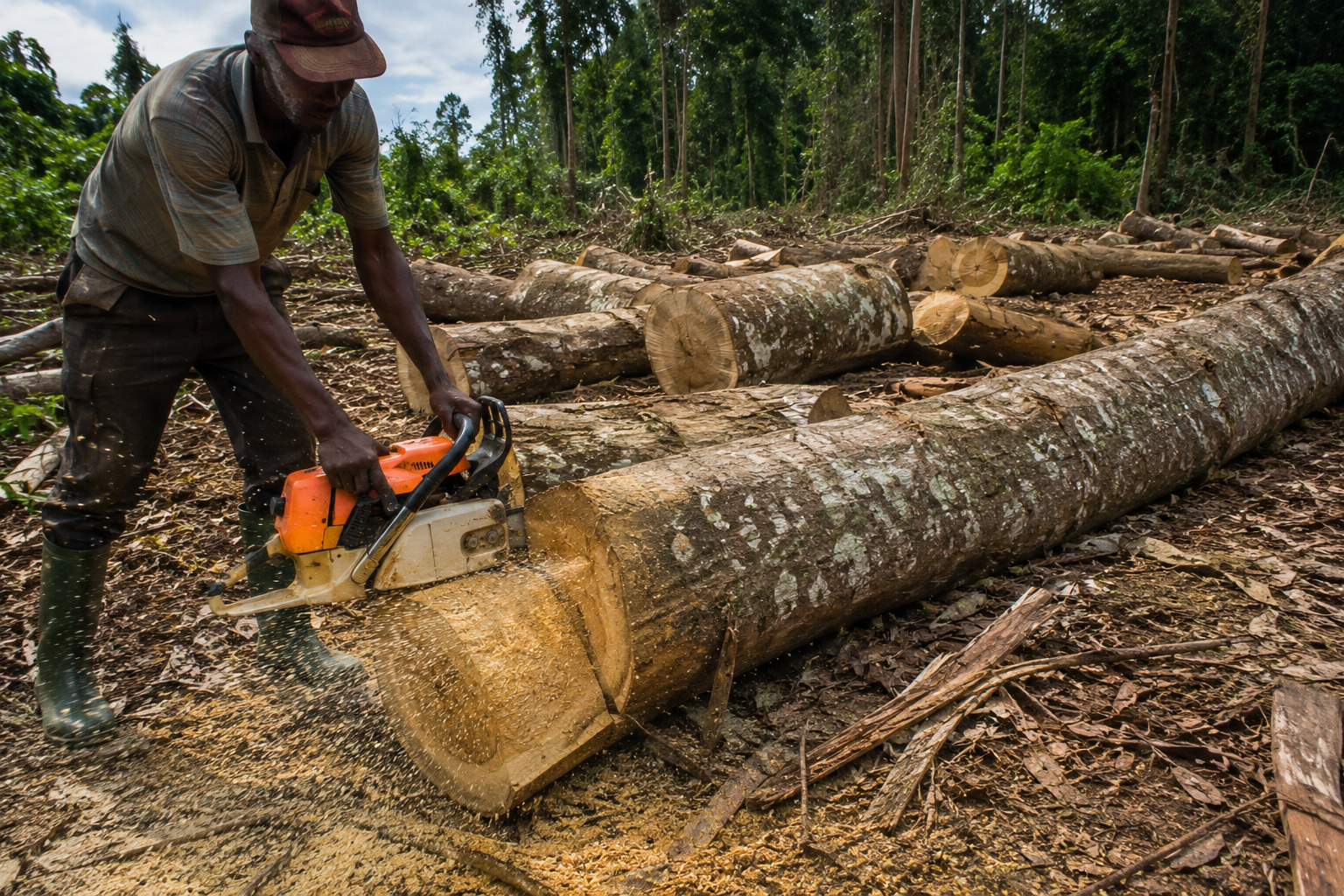
Concerned Ugandans have called on the government, through the Ministry of Energy and Mineral Development, to reduce the cost of electricity so that more people can switch from using firewood and charcoal to electricity for cooking. They argue that this would help curb the cutting down of trees, which continues to destroy the environment.
While addressing journalists in Kampala, the concerned citizens said that unless the cost of electricity units is reduced, many Ugandans will continue relying on trees for fuel because electricity remains unaffordable.
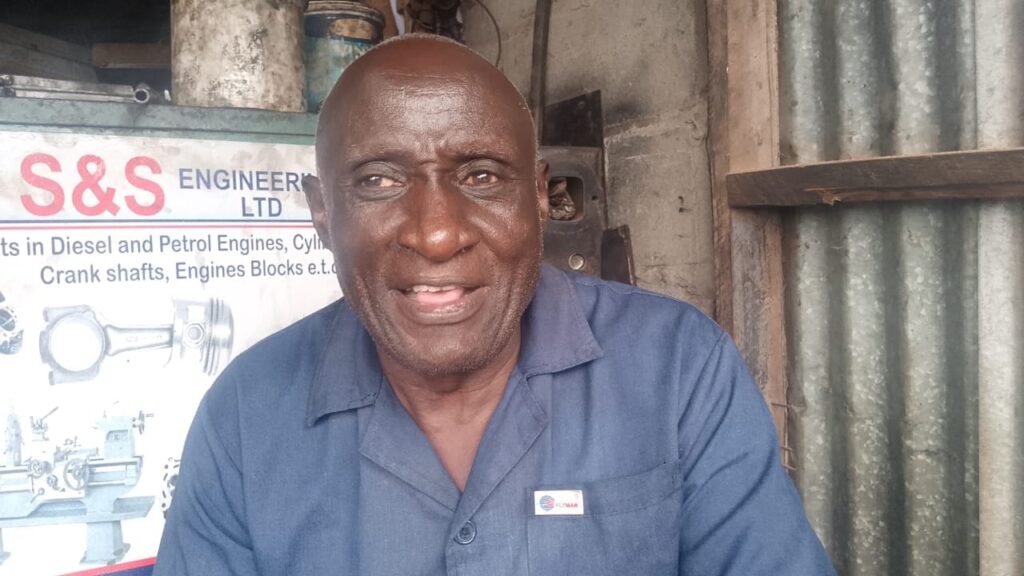
Sebiranda Masud, one of the concerned Ugandans, said Uganda generates enough electricity to serve its citizens and even export power to neighboring countries. He questioned why electricity prices remain beyond the reach of many ordinary Ugandans.
“I want to thank the government for working hard to ensure that Uganda has enough electricity. However, I appeal to the government to think about our environment. Many people cut down trees not because they want to, but because they cannot afford to cook using electricity due to its high cost. We need these trees for clean air and many other important benefits. Therefore, let the government help us protect the environment by making electricity more affordable,” he said.
Currently, the standard domestic tariff is approximately UGX 752 to UGX 756 per unit.
Other concerned Ugandans urged the government to support individuals and organizations involved in environmental conservation through tree planting and other initiatives.
According to available data, Uganda does not have a single consolidated figure for total national investment in tree planting because funding comes from government budgets, the private sector, and international development partners. However, several major initiatives demonstrate the scale of ongoing investment.
The Ministry of Water and Environment is leading the Running Out of Trees (ROOTs) campaign, which aims to plant 40 million trees every year to restore the country’s forest cover.
International and non-governmental organizations have also made significant contributions. The GRO Foundation has invested more than US$1 million (about UGX 3.7 billion) in a project targeting the planting of 250 million trees by 2030. Meanwhile, Ecotrust Uganda’s Trees for Global Benefits programme has paid out approximately US$8.78 million to participating households supporting reforestation efforts.
The private sector has also played a key role. Uganda Breweries Limited (UBL), in partnership with the National Forestry Authority, invested UGX 372 million in restoring the Namananga Central Forest Reserve. In addition, the East African Crude Oil Pipeline (EACOP) project committed to planting 60,000 trees along its pipeline corridor.