
 Tiger FM
Tiger FM
Tiger FM
2 October 2026, 12:50 pm
By Ronald Ssemagonja
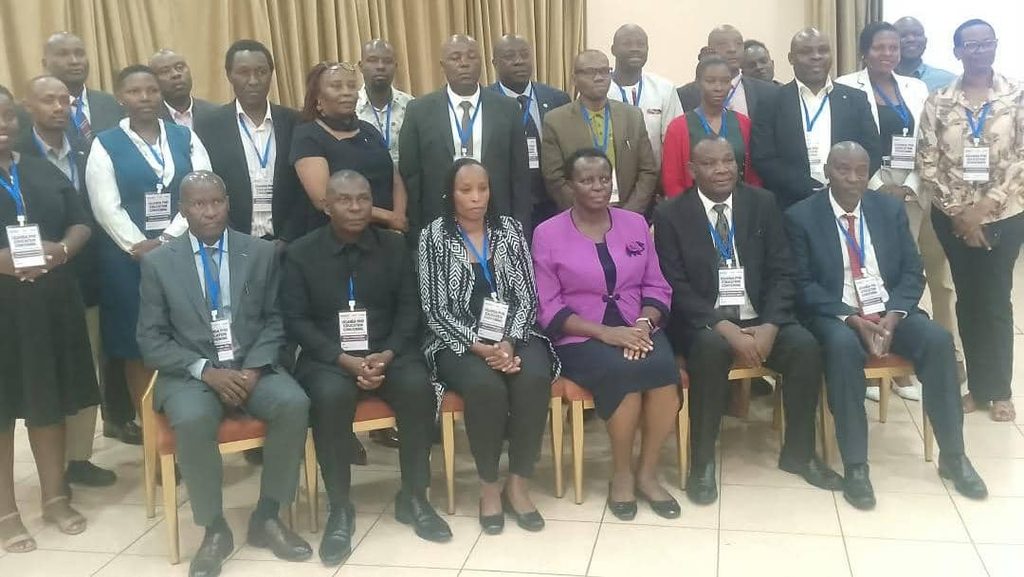
The Permanent Secretary in the Ministry of Education and Sports, Dr Kedrace Turyagyenda, has officiated a workshop organised by Kabale University in Kampala to discuss doctoral education and the proposed PhD models project.
The workshop is aimed at building a shared understanding of the PhD models project, validating emerging evidence, examining stakeholder experiences, discussing the proposed Uganda research methodology and establishing a platform for sustained stakeholder engagement.
Turyagyenda appreciated Kabale University for its contribution to education and its efforts towards eradicating illiteracy in the country.
She said government remains committed to supporting universities to strengthen education and research.
The workshop comes against a background where doctoral education is considered important for strengthening universities, developing advanced research capacity and producing knowledge to address Africa’s social, economic and governance challenges.
The project notes that although African universities have expanded significantly, the growth of doctoral education has not always been matched by adequate numbers of qualified supervisors, reliable financing, strong research infrastructure and efficient institutional systems.
It also highlights the challenges faced by many doctoral students who combine their studies with employment and family responsibilities, while universities face pressure to increase enrolment, improve completion rates and demonstrate the relevance of doctoral research.
The organisers said research uptake has been incorporated into the project from the beginning through the Utafiti approach, allowing university leaders, practitioners, students and other stakeholders to examine evidence together and develop practical responses.
The approach is intended to avoid a situation where researchers complete studies and only communicate their findings at the end of the research process.
Dr Pauline Ngimwa, who presented the project framing, gave an overview of the multi-country PhD Models Project, including its purpose, objectives and expected outputs of the Uganda convening.
She said the project will provide a stronger evidence base for decisions about doctoral education in Africa and help institutions distinguish between attractive programme labels and the arrangements that actually support quality, progression, completion and relevance.
Ngimwa added that the project will also examine why similar practices may produce different results across institutions and countries.
Some participants raised concerns about the findings of PhD research across the country and the need for psychological support for doctoral students, noting that many students experience significant stress during their studies.