
 Tiger FM
3 November 2026, 7:06 pm
By Ronald Ssemagonja
The Uganda AIDS Commission (UAC) has called on the public and the media to strengthen awareness about HIV as the country steps up efforts to end AIDS as a public health threat by 2030.
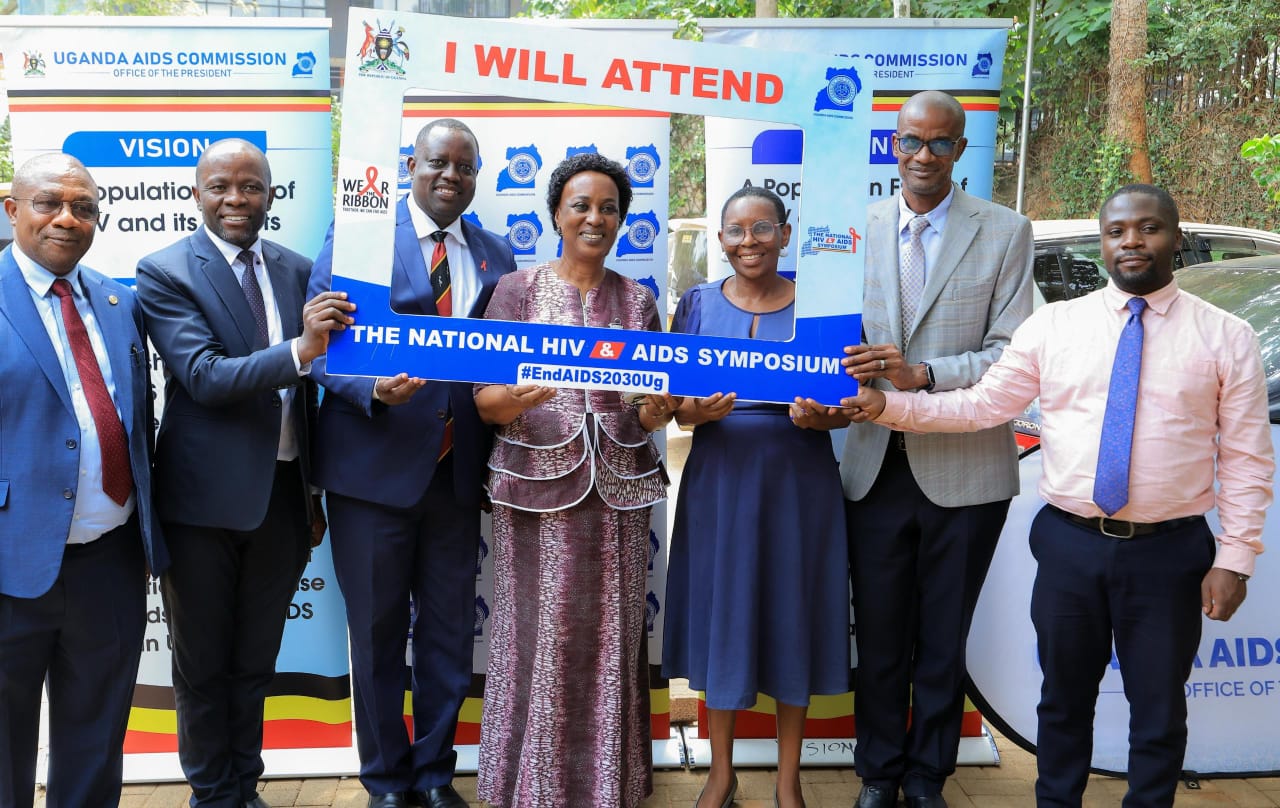
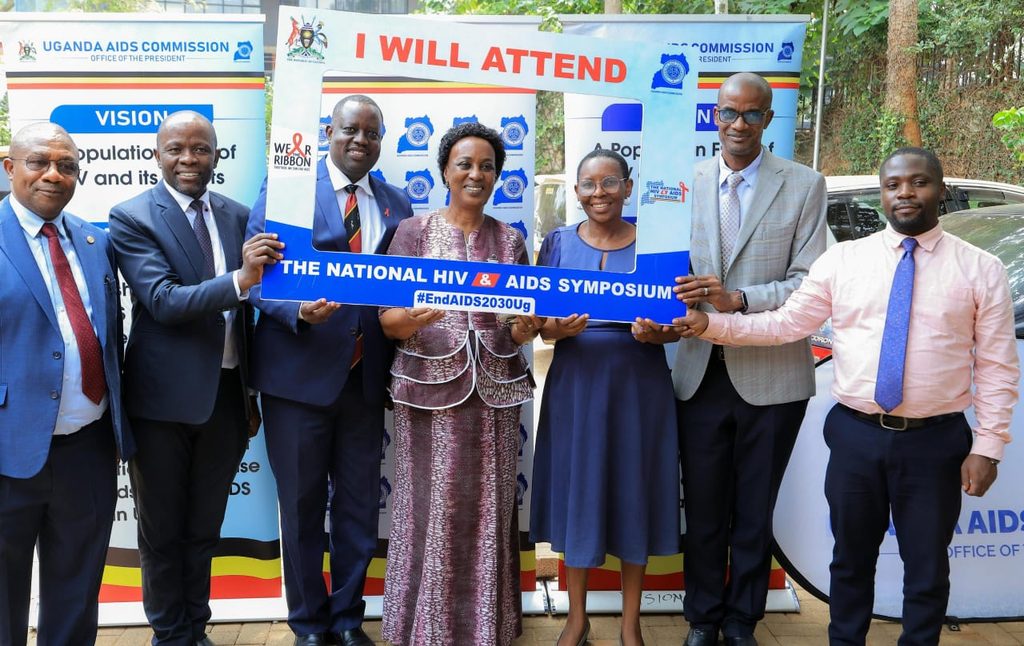
The commission made the call while updating the media on the country’s progress in fighting HIV and preparations for the National AIDS Symposium scheduled for November 16–18, 2026, at Mbarara University of Science and Technology. The Minister for the Presidency is expected to be the chief guest.
Addressing journalists at the Uganda Media Centre in Kampala, UAC Chairperson Canon Dr Ruth Senyonyi appreciated the efforts of stakeholders and partners in the fight against HIV, but urged the public to take an active role in spreading awareness.
She said the symposium, under the theme “Sustainable Interventions to End AIDS as a Public Health Threat by 2030,” will provide an opportunity to assess progress and identify areas requiring more attention.
Senyonyi noted that approximately 1.4 million people are living with HIV in Uganda, while 85 per cent of the population has tested for the virus, against a target of 95 per cent.
She encouraged the media and the public to share accurate information about HIV and the planned symposium.
The symposium will feature an annual AIDS review to assess implementation of the National HIV Strategic Plan, including achievements, challenges and recommendations. Participants will also discuss strategies for addressing reduced HIV funding, while a run will be organised to raise public awareness.
Tom Etim, Senior Manager for Partnerships and Cooperation at the Uganda AIDS Commission, said cities with HIV prevalence rates above the national average include Soroti at 12.3 per cent, Lira at 11.5 per cent and Mbarara, among others. He said these areas require particular attention.
Meanwhile, UAC Director of Planning and Strategic Information Dr Vincent Bagambe said the number of new HIV infections had reduced from 38,000 to 34,000, although more efforts are still needed to achieve the 2030 target.
He said adults account for most new infections, while children aged between zero and 14 years contribute 13 per cent.
Bagambe also identified female sex workers and their clients, fishing communities, truck drivers, people who inject drugs and men who have sex with men among the populations requiring targeted HIV prevention interventions.
He urged the public to practise abstinence or use condoms correctly and consistently, and to know their HIV status.
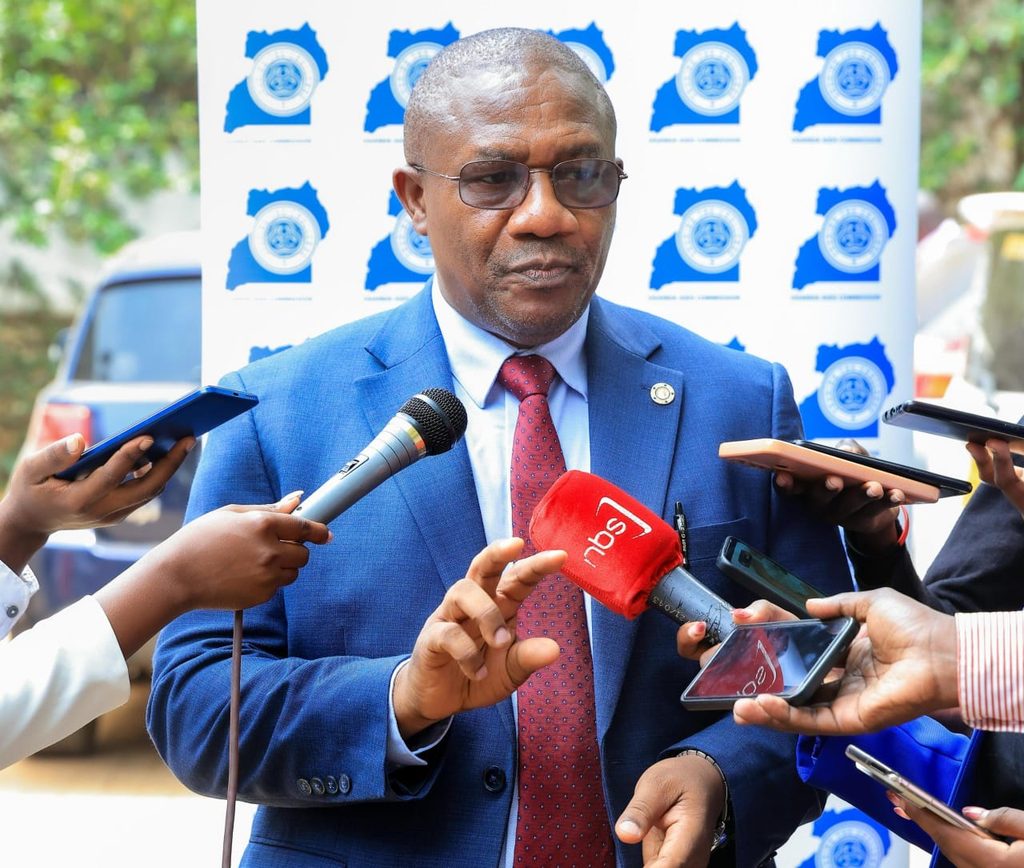
One of the doctors at the briefing cautioned against inconsistent condom use, particularly among people who stop using protection during subsequent rounds of sexual intercourse.
The doctor advised sexually active adults to test for HIV, seek medical guidance if found positive and continue practising prevention measures even after testing negative.