
 Tiger FM
Tiger FM
Tiger FM
5 August 2026, 7:56 pm
By Ronald Ssemagonja
The Uganda National Examinations Board (UNEB) has released the 2025 National Assessment of Progress in Education (NAPE) report, showing improved learner performance at the lower secondary level while highlighting gaps in the implementation of the Competency-Based Curriculum (CBC).
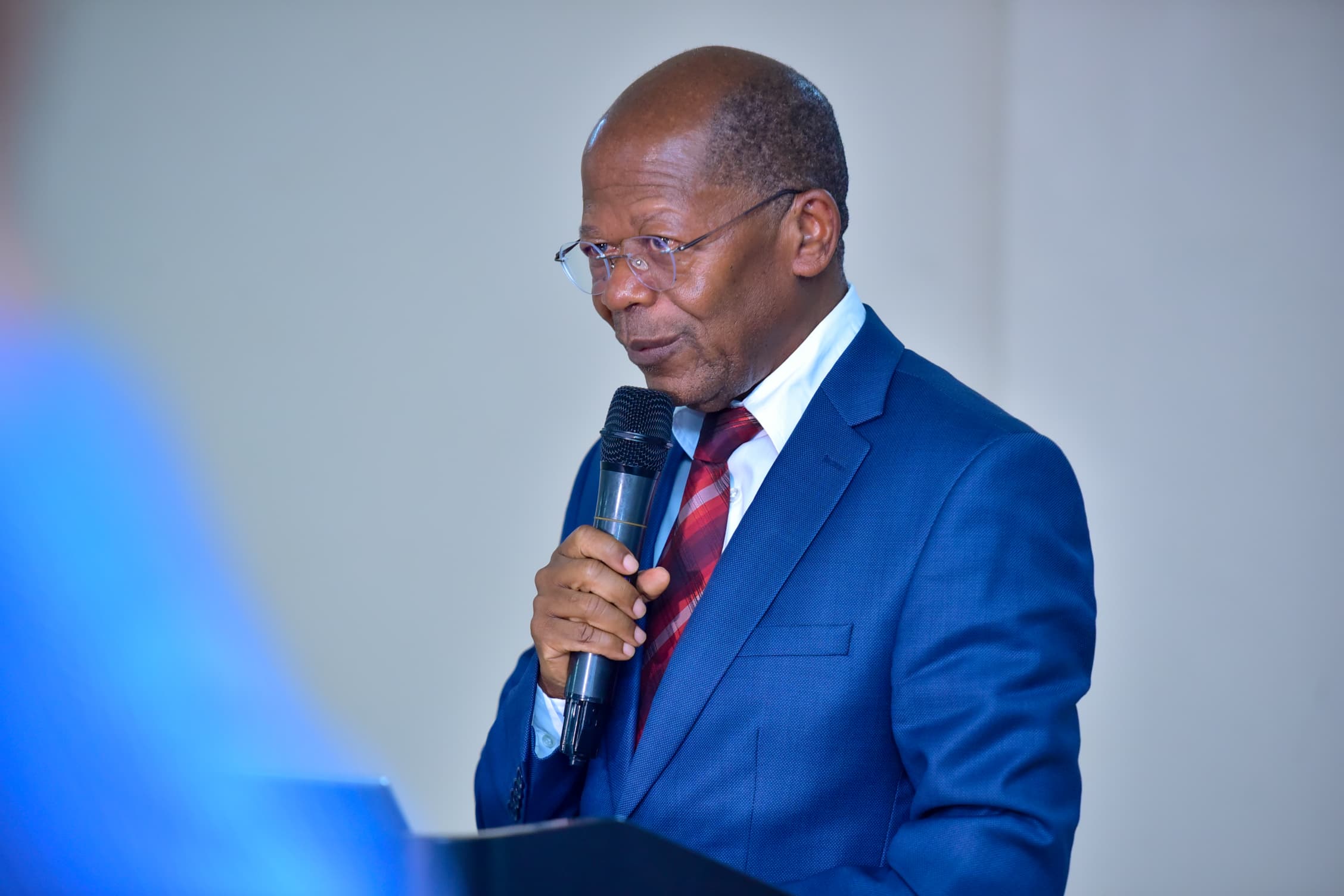
The report was launched in Kampala by the State Minister for Higher Education and Acting Minister of Education and Sports, Dr J.C. Muyingo, who called for urgent action to address the identified challenges before learners reach Senior Four.
The 2025 NAPE assessment is the first comprehensive evaluation of learner achievement since the introduction of the Competency-Based Curriculum in 2020 and the first secondary-level assessment in 11 years, following the previous assessment conducted in 2014.
The assessment involved more than 8,000 Senior Two learners from 275 schools across the country and evaluated performance in Mathematics, English Language and Biology.
UNEB Executive Director Dan Odongo said the findings provide important evidence on how the new curriculum is influencing learning outcomes and will guide stakeholders in addressing existing gaps.
Dr Muyingo attributed the improved learner performance to government interventions, including the recruitment of more teachers, construction of classrooms and improvements in teachers’ salaries.
However, he expressed concern that some schools continue to teach beyond the stipulated curriculum timelines and delay project work until Senior Three, instead of introducing it in Senior One as required.
Presenting the report, UNEB Principal Research Officer Juma Nyal Kennedy revealed that while overall performance had improved, significant learning gaps remain.
The report shows that only 45.6 per cent of learners attained the minimum proficiency level in Biology, while just 26 per cent demonstrated the expected listening skills in English. It also found that girls performed below boys in Mathematics and Biology, urban schools outperformed rural schools, and learners with Special Educational Needs continued to face challenges, particularly in Mathematics and Biology.
UNEB said the findings will help guide interventions aimed at improving learning outcomes before students complete lower secondary education, while the Ministry of Education has pledged to continue supporting regular national assessments to strengthen the quality of education.