
 Tiger FM
Tiger FM
Tiger FM
9 October 2026, 2:31 pm
By Ronald Ssemagonja
As Uganda celebrates its 64th Independence Anniversary at State House in Entebbe, Wakiso District, under the theme “Embracing Our Sovereignty with Hope and Visionary Leadership,” attention is also being drawn to the country’s journey in protecting its environment.
Since gaining independence in 1962, Uganda has had nine presidents and undergone several constitutional amendments.
The national celebrations in Entebbe were attended by invited guests and religious leaders, led by the Archbishop of Kampala, His Grace Paul Ssemogerere. In his speech, President Yoweri Museveni congratulated Ugandans on reaching the 64th Independence Anniversary. He acknowledged that although the country has made progress since 1986, more work remains to be done, particularly in promoting the export of finished products rather than raw materials.
Uganda has also taken several steps to protect its environment, including enacting laws and introducing policies aimed at conserving natural resources.
Immediately after independence in 1962, Uganda did not have a comprehensive environmental protection framework. Environmental management largely relied on colonial-era laws, including the Forests Act of 1947, which primarily regulated forests and their use.
During this period, agricultural expansion, urban growth and changes in the country’s ecosystems placed increasing pressure on the environment. The introduction of the Nile perch into Lake Victoria in the 1950s also had significant ecological consequences.
A major turning point came in the 1990s, when Uganda began strengthening its environmental policies and legal framework. The National Environment Action Plan, launched in 1991, sought to integrate environmental concerns into national economic and social planning.
The National Environment Management Policy was introduced in 1994, establishing key objectives for sustainable development, environmental data collection and natural resource management.
Another important milestone was the 1995 Constitution, which recognised environmental protection as a national responsibility. It provides a constitutional foundation for safeguarding the environment and promoting the sustainable use of natural resources.
Uganda is also a party to several international environmental agreements, including the United Nations Framework Convention on Climate Change, the Paris Agreement adopted in 2015, and the Ramsar Convention on Wetlands.
As part of ongoing efforts to restore degraded wetlands, protect lake shores and safeguard riverbanks along the Nile, the Ministry of Finance has allocated 494.08 billion shillings in the 2026/2027 financial year budget, according to the figures provided.
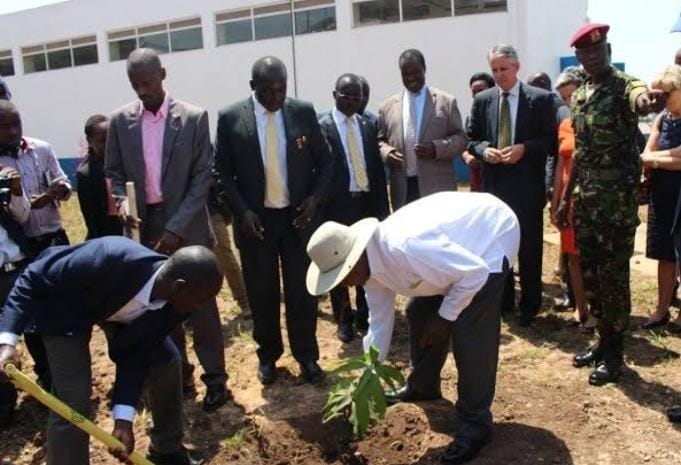
Environmental conservation efforts have also included campaigns encouraging Ugandans to plant trees and protect natural resources across the country.
There is hope that sustained implementation of environmental laws, adequate funding and continued public participation will deliver significant results over the next decade. However, the success of these efforts will depend on how effectively the laws and policies are enforced and how committed citizens and institutions remain to protecting the environment.