
 Tiger FM
Tiger FM
Tiger FM
11 July 2026, 9:34 am
By Ronald Ssemagonja
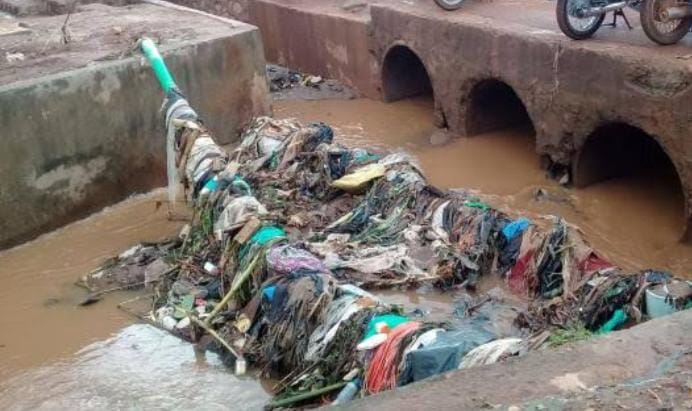
Residents living legally near drainage channels in Kampala have urged the government to fast-track the rehabilitation of the city’s drainage systems, saying poor drainage has exposed them to frequent flooding and disease outbreaks.
Rose Mayanja, a resident living near one of the drainage channels, said agencies such as the National Environment Management Authority (NEMA) and Kampala Capital City Authority (KCCA) have been evicting people from wetlands and protected areas. However, she said those who legally reside near drainage channels continue to suffer because of poor infrastructure.
“Government has been demolishing people’s houses in Lubigi and other places, but it has not fulfilled its responsibility of renovating these drainage channels. Sewerage is affecting us badly. Our children are always in hospitals because of malaria and other related illnesses. Since the government knows there are people living legally near these drainage channels, it should fulfil its mandate and improve the drainage systems,” she said.
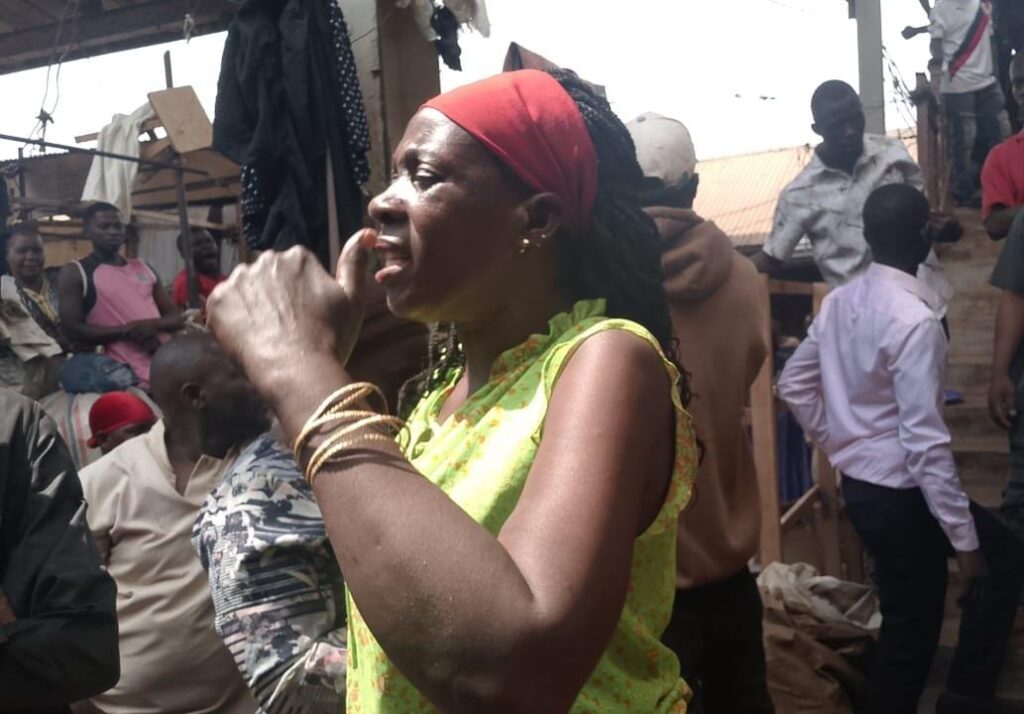
Another resident, Anthony Sekyanzi, urged the government to invest more in climate change mitigation and honour the environmental commitments Uganda has made under international agreements.
Uganda signed the Paris Agreement on April 22, 2016, ratified it on September 21, 2016, and it came into force for the country on November 4, 2016. Under the agreement, Uganda committed to reducing greenhouse gas emissions by about 22 to 24 percent by 2030.
In the 2026/27 financial year, Parliament allocated UGX 1.823 trillion to the Ministry of Water and Environment. Of this, UGX 132 billion was allocated to climate change activities, UGX 36 billion to forest management, UGX 9 billion to weather and meteorological services, and UGX 10 billion to wetland management, among other programmes.
The Permanent Secretary and Secretary to the Treasury in the Ministry of Finance, Planning and Economic Development, Ramathan Ggoobi, recently announced that of the UGX 23.03 trillion released for the first quarter, UGX 366.1 billion had been allocated to the Ministry of Water and Environment, representing 27 percent of its annual budget.
Despite the allocations, stakeholders argue that funding for climate change interventions remains inadequate.
They also pointed to the Kampala Drainage Master Plan of 2016, which proposed a 10-year programme to rehabilitate 86.3 kilometres of the city’s eight major drainage channels, including Nakivubo, Lubigi, Mayanja, Nalukolongo, Kinnawataka, Nalubaga, Walufumbe and Kansanga. The project was estimated to cost about USD 220 million (approximately UGX 836 billion), requiring about UGX 83.6 billion annually to reduce flooding in the city.