
 Tiger FM
Tiger FM
Tiger FM
17 July 2026, 6:21 pm

By Ronald Ssemagonja
Several aspiring Local Council I (LC I) chairpersons have declared their interest in contesting for village leadership positions following the Electoral Commission’s commencement of candidate registration, which runs until July 19, 2026.
Speaking to journalists, a number of aspirants currently serving on village committees said they have acquired enough experience to take on leadership roles and improve service delivery in their communities.
Sushan Kawuma, who has been serving as the Youth Representative on the Kasaato Zone Village Committee in Kampala Central Division, said it is time for a new generation of leaders to take charge.
He argued that the current chairperson, Sunday Nkoyooyo, has served for many years and has little left to offer the community.
“I appreciate the Electoral Commission for finally releasing the roadmap. We have been waiting for this process, and I am happy it has started. If the people entrust us with leadership, they will not be disappointed. I have served on this committee for a long time, and I believe I have gained enough experience to lead genuinely. We have had leaders who have stayed in office for too long without making meaningful progress,” Kawuma said.
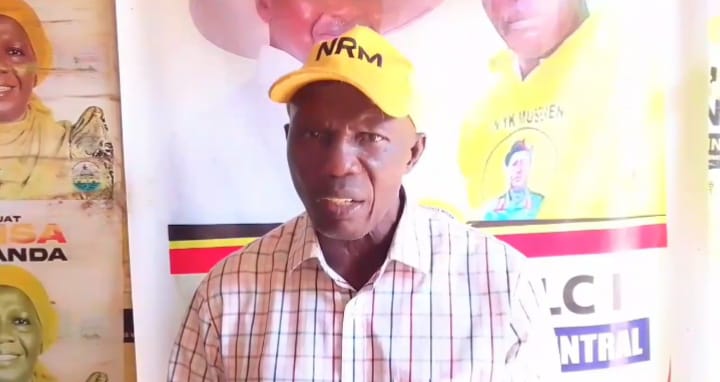
Meanwhile, the chairperson of Kisenyi II in Kampala Central Division, Kiwana Nkoyooyo, urged voters to elect leaders of integrity who will serve their communities faithfully rather than pursue personal interests.
“I encourage all Ugandans to participate in the forthcoming Local Council elections because local leaders play a very important role in our communities. Even when the President visits a village, it is the LC I chairperson who officially receives him. In our area, the ongoing registration exercise is progressing well,” he said.
Other aspirants also pledged to improve service delivery and address community challenges if elected into office.
The Electoral Commission is expected to conduct the elections in all 71,214 villages across Uganda, with leaders to be elected through the lining-up voting method, where voters line up behind candidates, their portraits, or their representatives.
However, some voters have continued to express concerns over the use of the lining-up system, arguing that the Electoral Commission received sufficient funding to conduct the elections through a secret ballot instead.